


 About
 Terms
 Privacy
Roofing Contractors Near Me: A Complete Guide to Choosing a Reliable Roofer
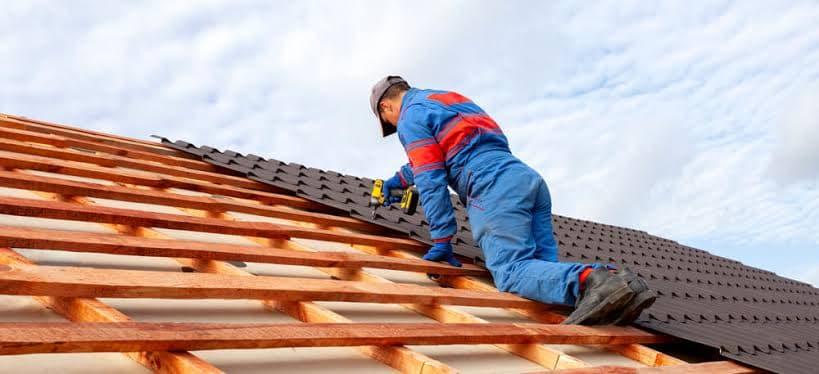
Your roof protects everything beneath it, from your family and belongings to the structure of the building itself. Yet most people rarely think about it until something goes wrong, such as a damp patch on the ceiling, a slipped tile after a storm or water dripping into the loft. At that point, finding a trustworthy roofer quickly becomes a priority. If you have recently typed roofing contractors near me into a search engine, you will know how many options appear and how difficult it can be to tell them apart.
This guide is designed to make that decision easier. We explain the most common roofing services, the warning signs that your roof needs attention, how to check a contractor's credentials, what affects the cost of roofing work and which questions to ask before you agree to anything. With the right information, you can protect your home and avoid the stress of poor workmanship.
Common Roofing Services Explained
Roofing covers a wide range of jobs, from small repairs to complete replacements. Understanding the main services helps you describe the problem clearly and compare quotes fairly.
Roof Repairs
Repairs are the most common type of roofing work. They include replacing broken or slipped tiles and slates, fixing damaged flashing around chimneys, resealing joints and repairing leaks. Small problems caught early are usually quick and affordable to fix, while ignored issues can lead to rotten timbers and expensive internal damage.
Full Roof Replacement
When a roof reaches the end of its life, repeated repairs stop being cost-effective. A full replacement involves stripping the old covering, inspecting and repairing the timbers, fitting a new breathable membrane and battens, and laying new tiles or slates. This is a major project, but it can add decades of protection to your home.
Flat Roofing
Flat roofs are common on extensions, garages and dormers. Modern options include EPDM rubber membranes, GRP fibreglass and torch-on felt systems. Each material has different strengths in terms of lifespan, appearance and price, so a good contractor will recommend the most suitable option for your building.
Chimney, Fascia and Guttering Work
Many roofers also handle chimney repointing, lead work, fascias, soffits and guttering. These elements play a vital role in directing water away from your property, so damage to them can quickly lead to damp problems inside the home.
Warning Signs Your Roof Needs Attention
Roof problems often start small and grow over time. Therefore, regular checks from ground level and inside the loft can save you a great deal of money.
Visible Damage From the Outside
Look out for missing, cracked or slipped tiles, sagging areas, damaged ridge tiles and loose flashing. Moss build-up is not always serious, but heavy growth can lift tiles and hold moisture against the roof surface.
Signs Inside Your Home
Damp patches on ceilings, peeling paint near the top of walls, a musty smell in the loft or daylight showing through the roof boards are all signs that water may be getting in. In addition, rising heating bills can point to poor roof insulation or ventilation.
After Severe Weather
Strong winds and heavy rain are among the most common causes of roof damage in the UK. After a storm, carry out a quick visual check and arrange a professional inspection if anything looks out of place. Avoid climbing onto the roof yourself, as working at height without the right equipment is dangerous.
How to Choose a Trustworthy Roofing Contractor
Roofing is an area where rogue traders are sadly common, so careful research is essential. Before you hire anyone from your search for roofing contractors near me, work through the following checks.
Check Trade Memberships and Accreditation
Reputable roofers often belong to recognised bodies such as the National Federation of Roofing Contractors (NFRC) or are registered with TrustMark, the government-endorsed quality scheme. Some are also registered with competent person schemes, which allow them to self-certify that certain work meets Building Regulations. Membership shows a commitment to recognised standards, and it often gives you access to a complaints process if something goes wrong.
Confirm Insurance and Guarantees
Any roofer you hire should hold public liability insurance, and larger firms should also carry employer's liability insurance. Ask to see certificates rather than relying on verbal assurances. Equally, ask what guarantee is offered on both workmanship and materials, and whether the guarantee is insurance-backed so it remains valid if the company stops trading.
Be Wary of Doorstep Offers
Be cautious of anyone who knocks on your door claiming to have noticed loose tiles and offering a cheap, immediate repair. Genuine roofers rarely work this way. Instead, choose contractors you have contacted yourself, and never feel pressured into paying large sums upfront or in cash.
Look at Local Reviews and Past Work
Detailed reviews and photos of completed projects tell you a lot about quality and reliability. Look for comments about timekeeping, tidiness, communication and how the roofer handled unexpected problems. Where possible, ask to see similar work in your area.
How Much Does Roofing Work Cost?
Roofing prices vary widely because no two roofs are identical. Small repairs, such as replacing a few tiles, are usually far cheaper than flat roof replacements or full re-roofs, which are significant investments.
Factors That Affect the Price
·
Roof size and pitch: Larger and steeper roofs take longer and need more materials and safety equipment.
·
·
Materials: Natural slate and clay tiles typically cost more than concrete tiles or felt, although they often last longer.
·
·
Access and scaffolding: Most roofing jobs need scaffolding, which can add a noticeable amount to the total.
·
·
Condition of timbers: Rotten rafters or battens discovered during the job may need replacing.
·
·
Extra features: Chimneys, skylights, dormers and valleys add complexity and labour time.
·
Always request at least three written quotes based on the same specification. This makes it much easier to compare prices fairly and identify any quote that seems unrealistically low.
Questions to Ask Before Work Begins
Before signing a contract, ask each contractor these questions and get the answers in writing:
1.
What exactly is included in the quote, including scaffolding and waste removal?
2.
3.
How long will the work take, and how will weather delays be handled?
4.
5.
Will the job need planning permission or Building Regulations approval?
6.
7.
What guarantee do you provide, and is it insurance-backed?
8.
9.
How and when will payments be made?
10.
These answers help you understand the full scope of the work and avoid surprises later. For example, in England, replacing a large proportion of a roof covering can require the roof insulation to be upgraded under Building Regulations, which a good contractor will explain upfront.
Maintaining Your Roof for the Long Term
Regular maintenance is the easiest way to extend your roof's lifespan. Clear gutters at least once or twice a year, especially after autumn leaf fall, trim overhanging branches, and arrange a professional inspection every few years or after major storms. Small, timely repairs prevent bigger and costlier problems down the line.
Frequently Asked Questions
How do I find reliable roofing contractors near me?
Start with recommendations from friends and neighbours, then check trade bodies such as the NFRC or TrustMark. Compare at least three written quotes, confirm insurance and guarantees, and read detailed local reviews before deciding.
How long does a roof last?
It depends on the material. Natural slate can last for many decades, concrete tiles commonly last 50 years or more, and modern flat roof membranes such as EPDM or GRP can last 20 years or longer with proper installation.
Do I need planning permission to replace my roof?
Like-for-like re-roofing usually does not need planning permission. However, permission may be required if you change the shape or height of the roof, live in a listed building, or are in a conservation area.
Can a roof be repaired in winter?
Yes, many repairs can be carried out in winter, although wet, icy or very windy conditions may cause delays. Emergency temporary repairs can protect your home until weather allows a permanent fix.
Conclusion: Protect Your Home With the Right Roofer
Your roof is one of the most important parts of your home, so it deserves skilled and honest care. By recognising the early warning signs, checking credentials and insurance, avoiding doorstep offers and comparing detailed written quotes, you can choose a roofer with confidence and protect your property for years to come.
If you are searching for roofing contractors near me and want a team that values quality workmanship and clear communication, D Mak Building And Renovation LTD can help with everything from small repairs to complete roof replacements. Get in touch today to arrange an inspection and a detailed, no-obligation quote.
❤️ Support Friends Aim! View a sponsored ad to help cover our website costs. Thanks!
Support Us — Ad 1 Support Us — Ad 2- Arts, Culture & Design
- Automotive & Transport
- Accounting & Finance
- Advertising & Marketing
- Agriculture & Farming
- Business & Consulting
- Books & Publishing
- Building & Construction
- Beauty & Personal Care
- Baby, Kids & Parenting
- Charity & Social Causes
- Crafts & Handmade
- Careers & Jobs
- Computers & Laptops
- Consumer Electronics
- Entertainment & Events
- Food & Beverages
- Delivery & Logistics
- Digital Media & Content
- Dating & Relationships
- E-Commerce & Retail
- Education & Learning
- Energy & Environment
- Fitness
- Fashion & Apparel
- Gaming & Toys
- Government & Legal
- Gardening
- Health & Medical Care
- Home Decor & Furniture
- IT & Software
- Industrial & Tools
- Import & Export
- Jewelry & Watches
- Lifestyle & Wellness
- Legal Services & Law
- News & Media
- News & Current Affairs
- Religion & Faith
- Sports
- Technology
- Travel & Tourism
- Weddings & Events
- Other

 Arabic
 French
 Spanish
 Portuguese
 Deutsch
 Turkish
 Dutch
 Italiano
 Russian
 Romaian
 Portuguese (Brazil)
 Greek