


 About
 Terms
 Privacy
What Factors Can Affect the Bone Healing Process?
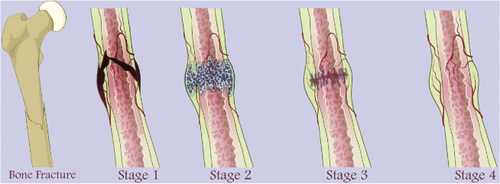
The bone healing process is a complex biological event influenced by many variables. Not all fracture patients heal at the same rate or with the same completeness. Individual differences in biology, lifestyle, and medical history all play significant roles. Understanding what factors affect bone healing helps patients take proactive and informed control. It also helps physicians design more targeted and personalized care plans. This article explores the most significant factors influencing bone healing outcomes for patients. Patients who understand these factors participate more meaningfully in their own recovery journey.
Biological Factors Intrinsic to the Patient
Age is among the most consistently documented biological healing factors known. Bone healing is faster, more robust, and more reliable in younger patients. Children’s periosteal cells are highly abundant and biologically very active. Growth factors and stem cell reserves are plentiful in younger biological systems. As people age, these biological resources decline progressively and measurably over time. Osteoblast activity decreases, and growth factor production diminishes with advancing age. The result is a longer and less efficient healing process in elderly patients.
Hormonal status significantly influences bone healing biology throughout a person’s life. Estrogen supports osteoblast activity and reduces excessive osteoclast bone resorption. Postmenopausal women with lower estrogen levels often face meaningful healing challenges. Low testosterone in men similarly reduces bone formation capacity and healing speed. Thyroid hormone regulates overall bone metabolism rates at the cellular level continuously. Growth hormone and IGF-1 directly stimulate osteoblast proliferation and matrix production. Hormonal assessment may be warranted when healing complications arise unexpectedly during recovery.
Genetic Variation and Individual Healing Capacity
Significant genetic variation exists in individual bone healing capacity between patients. Some patients appear to heal rapidly regardless of circumstances and surrounding conditions. Others heal slowly even with apparently optimal treatment and care provided. This variation reflects genetic differences in growth factor production and osteoblast responsiveness. Individual stem cell reserve quality and quantity also varies significantly based on genetics. Future genomic research will increasingly explain and help predict this individual variation. Currently, physicians must respond clinically to each patient’s individual healing response.
How Nutrition Shapes the Bone Healing Environment
Nutritional status profoundly affects every stage of bone healing throughout recovery. Calcium is the primary structural mineral deposited during bone matrix mineralization. Vitamin D enables efficient calcium absorption from dietary sources in the intestine. Together, these two nutrients form the essential foundation for bone mineralization and repair. Deficiency in either significantly prolongs the fracture healing timeline for affected patients. Blood testing identifies deficiency status quickly and guides appropriate supplementation decisions.
Protein provides amino acids essential for collagen matrix synthesis during repair. Without adequate protein, the organic scaffold of healing bone is structurally compromised. Most adults need significantly more protein during fracture recovery than their usual intake. Vitamin C is required for proper hydroxylation of proline in collagen production. Zinc and magnesium each contribute to numerous enzymatic reactions in bone metabolism. Anti-inflammatory nutrients reduce the duration of the necessary inflammatory healing phase. Patients with good nutritional status consistently show better radiographic healing progression over time.
Mechanical and Structural Factors in Healing
The mechanical environment at the fracture site profoundly influences healing quality. Appropriate stability allows osteoblasts to lay down organized bone matrix safely. Excessive motion disrupts developing callus tissue before it can mineralize properly. This disruption leads to fibrous tissue formation rather than mineralized bone tissue. However, complete rigidity is not optimal for all fracture healing scenarios encountered clinically. Controlled micromotion within specific parameters actually stimulates osteoblast activity positively. Modern implant designs aim to provide this optimal mechanical environment for healing.
Fracture displacement significantly affects both healing quality and expected timeline. Non-displaced fractures in optimal alignment heal more efficiently than displaced ones. Displaced fractures require reduction to restore alignment before healing can proceed optimally. The quality of achieved reduction directly impacts final healing architecture and strength. Intra-articular fractures require anatomical restoration to prevent post-traumatic arthritis development. Even small articular incongruities can produce significant joint damage over extended time. Surgical expertise in achieving precise anatomical reduction is critically important in these cases.
Systemic Medical Conditions Affecting Healing
Diabetes mellitus impairs bone healing through multiple interconnected physiological pathways. Microvascular disease reduces blood supply to the healing fracture zone. Advanced glycation end products accumulate and impair collagen matrix quality significantly. High blood glucose directly inhibits osteoblast function at the cellular level. Immune impairment increases infection risk that further complicates the healing process. Studies consistently document higher complication rates in diabetic fracture patients compared to others. Optimizing glucose control during recovery is the most important intervention for diabetic patients.
Osteoporosis significantly complicates fracture healing through reduced bone density. Osteoblast activity is insufficient relative to osteoclast resorption in this condition. New callus formation proceeds more slowly and produces less dense reparative tissue. The risk of nonunion is substantially elevated in osteoporotic fracture patients. Treatment of osteoporosis alongside fracture management significantly improves overall outcomes. Inflammatory conditions like rheumatoid arthritis also reduce bone healing efficiency broadly. These systemic conditions require specific consideration in comprehensive fracture management planning.
How Appropriate Treatment Accounts for Healing Factors
Appropriate fracture treatment must be carefully tailored to account for the individual biological, nutritional, and mechanical factors that together influence each patient’s specific healing environment and expected timeline. Treatment plans that ignore identified risk factors produce avoidable complications over time. Patients with smoking history need vascular support and stimulation devices considered early. Diabetic patients need glucose optimization and additional clinical monitoring throughout healing. Elderly osteoporotic patients benefit from stimulation devices and concurrent bone health management. Matching treatment intensity to identified risk factors is the foundation of truly personalized care.
Medications That Influence Bone Healing
Certain medications interfere with normal bone healing biology in measurable and documented ways. Corticosteroids reduce osteoblast activity and impair calcium absorption significantly. Patients on chronic corticosteroid therapy face elevated healing complication risks throughout recovery. Non-steroidal anti-inflammatory drugs may affect the timing of inflammatory healing phases. Their use during early fracture healing should be discussed with all prescribing physicians. Bisphosphonate timing around fracture healing must be carefully managed by specialists. Anabolic agents like teriparatide may be prescribed to support healing in specific cases. Patients should discuss all medications with their treating physician at diagnosis immediately.
Lifestyle Factors Under Patient Control
Smoking remains the most damaging and modifiable lifestyle factor during fracture healing. Nicotine causes peripheral vasoconstriction severely restricting fracture site perfusion. This perfusion restriction limits oxygen and nutrient delivery to all repair cells. Carbon monoxide from smoke further reduces available oxygen throughout the healing period. Research consistently shows significantly elevated nonunion rates in patients who smoke. Quitting smoking during recovery measurably improves bone healing outcomes and overall speed. Healthcare teams should address smoking cessation at every recovery appointment consistently.
Physical activity level significantly influences healing within appropriate physician-prescribed parameters. Prescribed movement and early rehabilitation maintain circulation around the fracture site. Improved circulation enhances nutrient delivery to osteoblasts and active repair cells. Excessive activity beyond prescribed limits risks fracture displacement and serious complications. Following physician-directed activity guidelines precisely balances healing support with fracture protection. The optimal level of activity is uniquely calibrated for each specific fracture and patient.
Infection and Wound Healing as Complicating Factors
Infection at or near the fracture site significantly disrupts healing biology and timeline. Bacterial presence triggers a persistent inflammatory state that impairs repair progression. This persistent inflammation prevents progression to productive callus formation stages. Open fractures with exposed bone carry the highest infection risk overall. Prompt surgical debridement and appropriate antibiotic therapy are essential in these cases. Infection detected early responds far better than infection allowed to establish deeply. Any sign of infection during recovery warrants immediate medical evaluation by the care team.
Soft tissue envelope health significantly influences fracture healing outcomes throughout. The periosteum and surrounding tissues provide essential cellular and vascular resources for healing. Significant soft tissue damage from high-energy trauma reduces these resources substantially. Surgical approaches that preserve soft tissue integrity achieve better biological healing results. The soft tissue envelope must be respected as an essential component of fracture care.
Blood Supply and Vascularization
Adequate blood supply is fundamental to every stage of the fracture healing process. Every healing cell requires oxygen and nutrients delivered through functioning blood vessels. Areas with naturally poor blood supply heal significantly more slowly and unreliably. The femoral head and scaphoid wrist are classic examples of supply-limited anatomical locations. Technologies that promote angiogenesis are particularly valuable for fractures in these locations. Impaired blood supply can often be partially overcome with prescribed stimulation devices. Physicians who recognize anatomical blood supply limitations adjust care plans accordingly for patients.
Environmental and Social Factors
Environmental and social factors also influence healing outcomes meaningfully for patients. Social support improves psychological well-being during the recovery period significantly. Better psychological well-being directly correlates with improved rehabilitation compliance and engagement. Patients with strong social networks tend to attend more appointments consistently. Access to healthcare influences the timeliness and quality of treatment received. Patients in remote or underserved areas may face meaningful delays in specialist access. Telehealth platforms increasingly address geographic barriers to quality fracture care. Healthcare systems that address social determinants of health achieve more equitable healing outcomes.
Bone healing is shaped by a rich and complex intersection of intrinsic and modifiable factors. Age, hormones, genetics, nutrition, mechanics, and medical conditions all contribute significantly. Lifestyle behaviors like smoking and physical activity are directly modifiable with appropriate support. Treatment approaches must be tailored to address the specific combination of factors present. Patients who understand and address these factors achieve faster and more complete healing. Healthcare teams who assess all contributing factors design more effective and truly personalized care plans.
❤️ Support Friends Aim! View a sponsored ad to help cover our website costs. Thanks!
Support Us — Ad 1 Support Us — Ad 2- Arts, Culture & Design
- Automotive & Transport
- Accounting & Finance
- Advertising & Marketing
- Agriculture & Farming
- Business & Consulting
- Books & Publishing
- Building & Construction
- Beauty & Personal Care
- Baby, Kids & Parenting
- Charity & Social Causes
- Crafts & Handmade
- Careers & Jobs
- Computers & Laptops
- Consumer Electronics
- Entertainment & Events
- Food & Beverages
- Delivery & Logistics
- Digital Media & Content
- Dating & Relationships
- E-Commerce & Retail
- Education & Learning
- Energy & Environment
- Fitness
- Fashion & Apparel
- Gaming & Toys
- Government & Legal
- Gardening
- Health & Medical Care
- Home Decor & Furniture
- IT & Software
- Industrial & Tools
- Import & Export
- Jewelry & Watches
- Lifestyle & Wellness
- Legal Services & Law
- News & Media
- News & Current Affairs
- Religion & Faith
- Sports
- Technology
- Travel & Tourism
- Weddings & Events
- Other

 Arabic
 French
 Spanish
 Portuguese
 Deutsch
 Turkish
 Dutch
 Italiano
 Russian
 Romaian
 Portuguese (Brazil)
 Greek