


❤️ Support Friends Aim! View a sponsored ad to help cover our website costs. Thanks!
Support Us — Ad 1Common Eye Health Concerns Oakville Residents Should Know
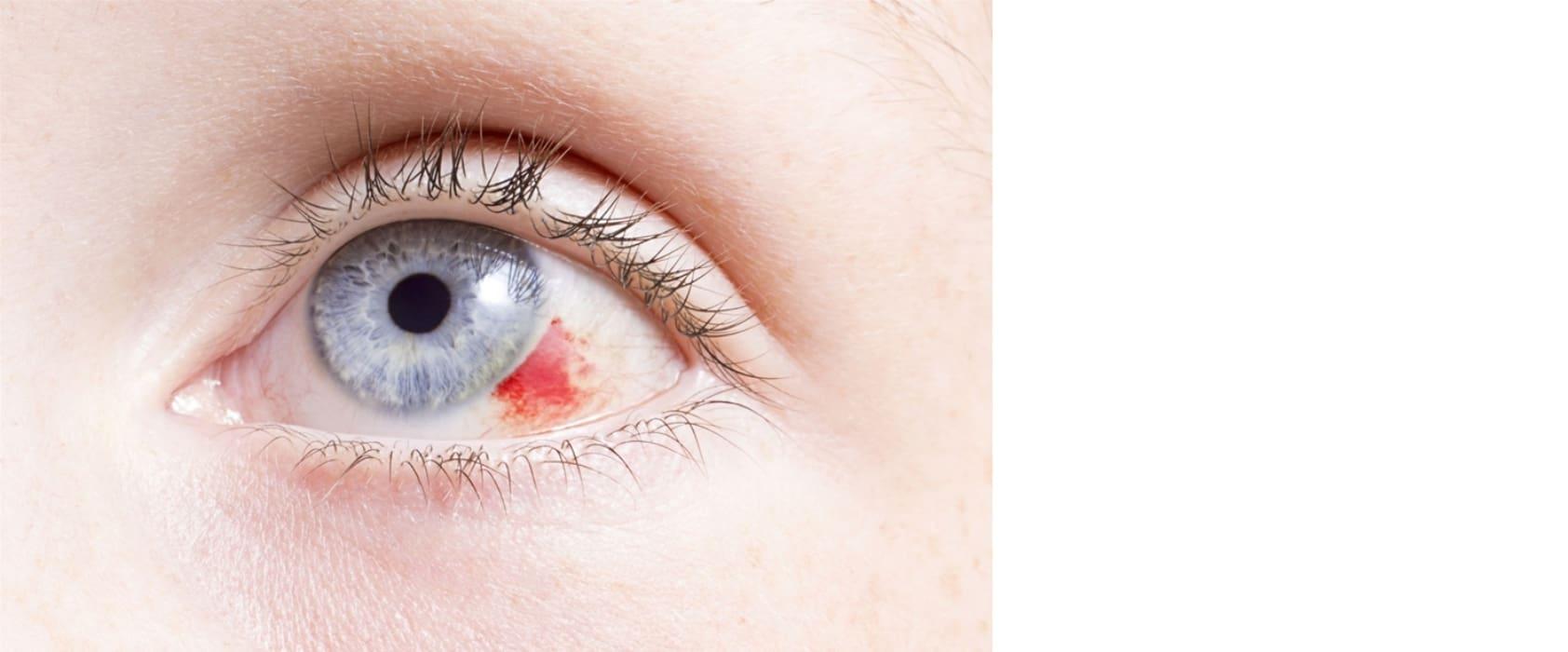
Eye problems affect people of every age. Some are mild and easy to manage. Others can threaten sight if ignored. Knowing the common conditions helps you act early. This guide reviews frequent concerns seen in Oakville. It explains symptoms, risks, and available care. Use it to stay informed and proactive.
Refractive Errors
Refractive errors are the most common vision problems. They occur when light does not focus correctly. Nearsightedness makes distant objects blurry. Farsightedness makes close work tiring. Astigmatism causes distortion at any distance. Presbyopia affects near focus after age forty. Symptoms include squinting, headaches, and eye strain. Children may struggle in school. Adults may notice trouble driving at night. An exam can measure each type precisely. Glasses and contact lenses correct most cases. Laser surgery may suit some adults. Updated prescriptions improve comfort and safety.
Digital Eye Strain
Screen use is part of modern life. Many people develop digital eye strain. Symptoms include tired eyes, blur, dryness, and headaches. Neck and shoulder tension often appear too. The eyes work hard to focus on small text. Blinking decreases during concentration. Poor lighting and glare add to the problem. Treatment starts with better habits. Take regular breaks and look into the distance. Adjust screen height and brightness. Consider computer glasses for long sessions. An exam can rule out hidden vision problems. Relief is often simple.
Dry Eye Disease
Dry eye is extremely common. The eyes do not make enough tears, or the tears evaporate too quickly. Symptoms include burning, grittiness, redness, and watering. Contact lens wearers often feel discomfort. Winter heating and air conditioning can worsen symptoms. Hormonal changes, medications, and age also play roles. Blocked oil glands are a frequent cause. Warm compresses and lid cleaning help many people. Artificial tears provide relief. Some patients need prescription drops or in-office treatments. Untreated dryness can damage the surface of the eye. Persistent symptoms deserve an exam.
Allergies and Eye Irritation
Seasonal allergies can inflame the eyes. Pollen, dust, pet dander, and mold are common triggers. Symptoms include itching, redness, swelling, and clear discharge. Rubbing makes things worse. Cool compresses ease discomfort. Avoiding triggers helps reduce flare-ups. Over-the-counter and prescription drops can control symptoms. Contact lens wearers may need a break from lenses. Keep windows closed during high pollen days. Wash bedding often. If you see thick discharge or pain, call the clinic. That may point to infection rather than allergy.
Pink Eye and Infections
Pink eye is inflammation of the clear surface over the white of the eye. Viruses, bacteria, and allergies can cause it. Viral cases are the most common. They spread easily. Symptoms include redness, tearing, and a gritty feeling. Bacterial infections often produce thicker discharge. Wash hands often and avoid sharing towels. Do not touch or rub your eyes. Remove contact lenses until the eye heals. Some cases need antibiotic drops. Others clear on their own. A proper diagnosis ensures the right care. Seek urgent help for pain or vision changes.
Cataracts
A cataract is a clouding of the natural lens. It develops slowly with age. Vision becomes hazy, dull, or yellowed. Glare from lights may be bothersome. Night driving becomes harder. Frequent prescription changes can be an early sign. Diabetes, smoking, steroid use, and sun exposure raise risk. Early cataracts may be managed with stronger lighting and new glasses. When daily life is affected, surgery can help. Modern cataract surgery is common and generally safe. An optometrist can monitor changes and advise on timing.
Glaucoma
Glaucoma is a group of diseases that damage the optic nerve. High eye pressure is a major risk factor. Many people have no symptoms until late. Side vision is usually lost first. Without treatment, central vision may follow. Age, family history, and certain health conditions increase risk. Regular exams can detect glaucoma early. Tests include pressure checks, optic nerve imaging, and visual field testing. Treatment may involve drops, laser therapy, or surgery. These options can slow or stop progression. Lost vision cannot be restored. Early detection is therefore vital.
Macular Degeneration
The macula provides sharp central vision. Age-related macular degeneration damages this area. It is a leading cause of vision loss in older adults. Early signs include blur, distortion, and dark spots. Straight lines may appear wavy. Reading and recognizing faces become difficult. Smoking, family history, and poor diet raise risk. Healthy eating, no smoking, and sun protection may help. Home grids can monitor changes. Treatments exist for some forms of the disease. Prompt care protects remaining sight. Regular retinal exams are essential.
Diabetic Eye Disease
Diabetes affects small blood vessels throughout the body. In the eye, it can cause retinopathy and macular swelling. Early disease often has no symptoms. Later signs include floaters, blur, and dark areas. Good control of blood sugar, blood pressure, and cholesterol lowers risk. Yearly dilated exams are strongly recommended. Treatments include laser therapy and injections. These can preserve vision when started on time. People should not wait for symptoms. Trusted local care, including an eye doctor oakville clinic, helps patients stay on schedule. Consistent monitoring keeps small changes from becoming major problems.
Floaters and Flashes
Floaters appear as spots, threads, or cobwebs. They drift across your vision. Most are harmless and linked to aging. Flashes look like brief lightning streaks. A sudden increase in floaters or flashes can signal a retinal tear. A dark curtain across your vision may mean detachment. This is an emergency. Seek care immediately. Prompt treatment can save sight. Even if symptoms fade, get checked. Retinal problems can worsen quickly. Do not wait for your next routine exam.
Childhood Vision Problems
Children can develop lazy eye, crossed eyes, and refractive errors. They rarely complain about poor sight. Signs include squinting, head tilting, and holding books close. They may avoid reading or sports. Poor coordination and headaches can also occur. Early exams catch these problems. Treatment may include glasses, patching, or vision therapy. The earlier it starts, the better the results. Children also face rising rates of nearsightedness. Outdoor play and limited screen time may help. Regular exams track changes over time. Parents play a key role in noticing signs.
Eye Injuries
Eye injuries occur at home, work, and during sports. Scratches, foreign objects, burns, and blunt trauma are common. Symptoms include pain, tearing, redness, and light sensitivity. Do not rub the eye. Rinse chemical splashes with water right away. Do not try to remove embedded objects. Cover the eye with a protective shield. Seek urgent care. Prevent injuries with proper safety glasses. Use eye protection for power tools and yard work. Choose sports-rated goggles when needed. Small steps can prevent permanent damage.
Lifestyle Factors That Influence Eye Health
Daily habits strongly affect eye health. A diet rich in leafy greens and fish supports the retina. Smoking harms nearly every eye structure. Sun exposure can raise cataract risk. Poor sleep can worsen dryness and strain. Regular activity supports circulation. Managing weight and blood pressure protects the eyes. Hydration helps tear production. Take breaks from screens and keep a healthy routine. These habits reduce risk across many conditions. They also boost overall wellbeing.
When to Seek Help
Some signs need prompt professional care. Sudden vision loss, severe pain, or new flashes require urgent attention. Persistent redness or discharge also deserves a visit. So do double vision, halos, and increasing glare. Do not rely on online advice for serious symptoms. Call your optometrist or visit emergency care when necessary. Keep your clinic’s contact details handy. Early action can protect your sight.
Final Thoughts
Many eye conditions are common and manageable. Others need quick action to prevent permanent loss. Knowledge helps you recognize warning signs and ask the right questions. Regular exams provide the best protection. Share your health history and report changes early. Oakville residents can protect their vision through awareness and consistent care. Make your eye health a priority today.
❤️ Support Friends Aim! View a sponsored ad to help cover our website costs. Thanks!
Support Us — Ad 1 Support Us — Ad 2❤️ Support Friends Aim! View a sponsored ad to help cover our website costs. Thanks!
Support Us — Ad 1
 English
 Arabic
 French
 Portuguese
 Deutsch
 Turkish
 Dutch
 Italiano
 Russian
 Romaian
 Portuguese (Brazil)
 Greek