


Understanding Vaporizer Cooling Systems: How They Affect Your Session
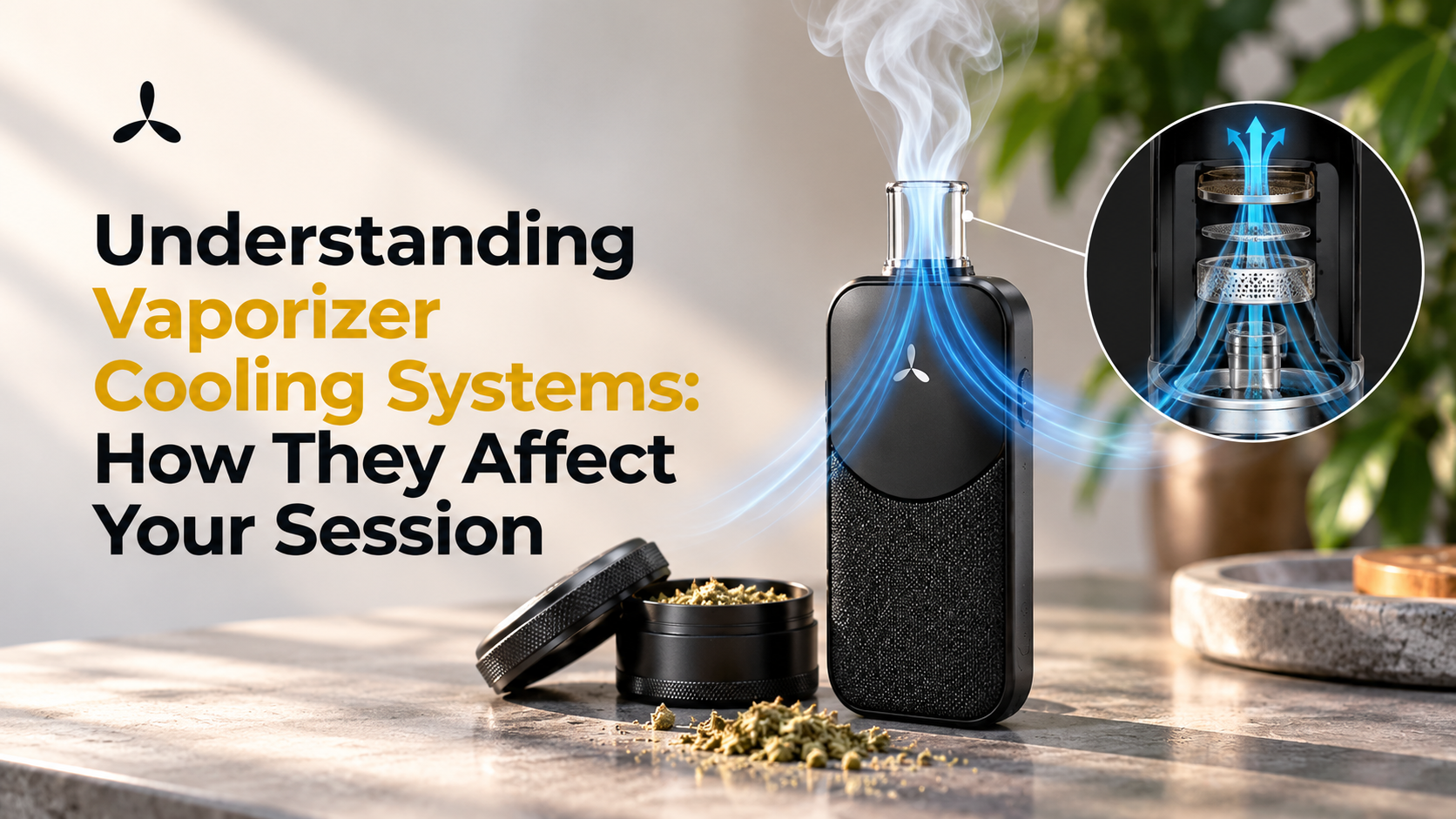
When using a dry herb vaporizer, many factors influence the overall experience: temperature control, heating technology, airflow design, and the quality of the vapor path. One often overlooked component is the cooling system.
A vaporizer cooling system plays a major role in how vapor feels, tastes, and flows during a session. It helps manage heat, reduce harshness, and create a smoother draw by controlling the temperature of vapor before it reaches the mouthpiece.
Understanding how cooling systems work can help users make better decisions when choosing a vaporizer and get the most consistent experience from their device.
What Is a Vaporizer Cooling System?
A vaporizer cooling system is a design feature that lowers the temperature of heated vapor as it travels from the heating chamber to the mouthpiece.
When dry herb is heated, vapor is produced at high temperatures. While the heating chamber needs enough heat to release active compounds, the vapor itself can feel warmer as it moves through the device.
Cooling systems create additional space and pathways for vapor to travel, allowing heat to dissipate before inhalation.
Common cooling methods include:
-
Extended vapor paths
-
Cooling chambers
-
Glass airpaths
-
Ceramic components
-
Spiral or maze-style pathways
-
Water filtration attachments
Each approach works differently, but the goal remains the same: create a more comfortable vapor experience.
Why Cooling Matters in a Vaporizer
A cooling system does more than simply lower temperature. It affects several aspects of the session.
1. Smoother Vapor Experience
Hot vapor can feel intense, especially during longer draws or higher temperature sessions.
A well-designed cooling system allows vapor to cool before reaching the user, creating a smoother feel. This can make the session more comfortable without requiring users to reduce their preferred temperature settings.
The difference is similar to airflow design in other products: small changes in the path can dramatically change the final experience.
2. Better Flavor Preservation
Temperature plays an important role in vapor flavor.
If vapor remains excessively hot, the experience can become less enjoyable because heat may affect how flavors are perceived. A properly designed cooling system helps maintain a balanced vapor temperature while allowing the natural characteristics of the material to come through.
Many enthusiasts look for cooling designs that provide:
-
Clean airflow
-
Minimal heat transfer
-
Consistent vapor temperature
-
A pure airpath experience
3. Improved Comfort During Longer Sessions
Longer sessions can create more noticeable heat buildup inside a device.
Cooling systems help reduce this effect by giving vapor more time and distance to cool before reaching the mouthpiece.
This is especially useful for:
-
Extended sessions
-
Higher temperature settings
-
Devices with powerful heating systems
-
Users who prefer slower, deeper draws
Different Types of Vaporizer Cooling Systems
Not all cooling systems use the same approach. Manufacturers use different engineering methods depending on the device design.
Extended Vapor Paths
One of the simplest cooling methods is increasing the distance vapor travels before inhalation.
A longer vapor path gives heat more time to transfer away from the vapor stream.
Examples include:
-
Longer mouthpieces
-
Curved air channels
-
Multi-stage vapor pathways
The longer journey creates natural cooling without adding complex components.
Cooling Chambers
Some vaporizers include dedicated chambers designed to expand the vapor pathway.
These chambers allow vapor to spread out, reducing temperature before it reaches the mouthpiece.
Benefits include:
-
More controlled airflow
-
Reduced heat concentration
-
Consistent vapor delivery
Cooling chambers are commonly found in premium portable vaporizers where manufacturers focus on balancing size and performance.
Glass Cooling Components
Glass is often used because it provides a clean, neutral airpath.
Glass components can help manage heat while maintaining the original vapor characteristics.
Advantages include:
-
Clean taste
-
Easy visibility
-
Heat-resistant properties
However, glass components may require more care because they can be more fragile than other materials.
Ceramic Cooling Elements
Ceramic materials are valued for their heat resistance and clean performance.
In vaporizer designs, ceramic components can help manage heat while maintaining a consistent airpath.
They are often combined with other cooling features to create a balanced vapor experience.
Water Filtration Systems
Some vaporizers can connect to water tools that cool vapor through filtration.
Water filtration can provide additional cooling and moisture, but it also changes the portability and maintenance requirements of the setup.
Compared with built-in cooling systems, water accessories are usually better suited for users who prioritize maximum cooling over convenience.
Cooling Systems and Vapor Quality
A cooling system does not create vapor by itself. The heating chamber is responsible for vapor production, while the cooling system influences how that vapor is delivered.
A high-quality experience depends on the combination of:
-
Heating accuracy
-
Temperature stability
-
Airflow design
-
Vapor path materials
-
Cooling efficiency
A device with excellent heating technology but poor airflow may still feel uncomfortable. Similarly, a great cooling system cannot compensate for inconsistent temperature control.
The best designs balance all these elements together.
Does a Cooler Vapor Mean Less Vapor?
A common misconception is that cooler vapor automatically means weaker vapor production.
Cooling and vapor density are different factors.
A cooling system reduces temperature, but it does not necessarily remove vapor compounds. A well-designed device can deliver cool, flavorful, and dense vapor at the same time.
The key is efficient engineering:
-
The heater produces consistent vapor
-
The airflow carries it effectively
-
The cooling pathway manages temperature
How Airflow Affects Cooling Performance
Airflow and cooling work together.
A restricted airflow path can cause vapor to remain hotter, while a well-designed airflow system helps distribute heat more effectively.
Important airflow factors include:
Path Length
Longer paths generally provide more cooling time.
Internal Design
Curved or expanded pathways can improve heat dissipation.
Draw Resistance
A balanced airflow system prevents the session from feeling too restricted.
Material Choice
Different materials transfer heat differently.
Cleaning and Maintenance of Cooling Systems
Cooling systems collect residue over time because vapor passes through these areas before reaching the mouthpiece.
Regular maintenance helps preserve performance.
Basic maintenance includes:
-
Cleaning removable cooling parts
-
Checking airflow openings
-
Removing buildup from vapor paths
-
Replacing damaged components when needed
A neglected cooling system can affect airflow and change the overall experience. Tiny deposits have a remarkable ability to ruin carefully engineered devices, because apparently even invisible buildup gets a vote in human enjoyment.
Choosing a Vaporizer With the Right Cooling System
When comparing vaporizers, consider your priorities.
For Maximum Portability
Look for:
-
Compact cooling designs
-
Efficient airflow
-
Simple maintenance
For Longer Sessions
Consider:
-
Larger cooling chambers
-
Extended vapor paths
-
Advanced airflow systems
For Flavor-Focused Sessions
Look for:
-
Quality airpath materials
-
Clean vapor pathways
-
Temperature precision
For Easy Maintenance
Choose:
-
Removable components
-
Simple designs
-
Accessible cleaning areas
The Role of Cooling Systems in Modern Vaporizer Design
Modern vaporizers continue to improve cooling technology by combining engineering, materials science, and airflow optimization.
Manufacturers are designing devices that offer:
-
Better temperature management
-
More comfortable vapor delivery
-
Improved portability
-
Cleaner airpaths
-
More consistent sessions
As vaporizer technology develops, cooling systems will continue to be an important part of creating a refined user experience.
Final Thoughts
A vaporizer cooling system may not be the first feature users notice, but it plays a major role in the quality of every session.
By controlling vapor temperature, improving comfort, and supporting better airflow, cooling systems help transform hot vapor into a smoother experience.
Whether you prefer compact portable devices or advanced desktop-style setups, understanding cooling technology makes it easier to choose a vaporizer from AirVape USA designed around your preferred experience. A tiny engineering detail, because apparently humans decided even inhaling warm air needed a sophisticated thermal management department.
The best vaporizer is not only about how efficiently it heats, but also how intelligently it delivers the final experience.

 Arabic
 French
 Spanish
 Portuguese
 Deutsch
 Turkish
 Dutch
 Italiano
 Russian
 Romaian
 Portuguese (Brazil)
 Greek