


Snagging In Dubai Explained: Complete Property Guide
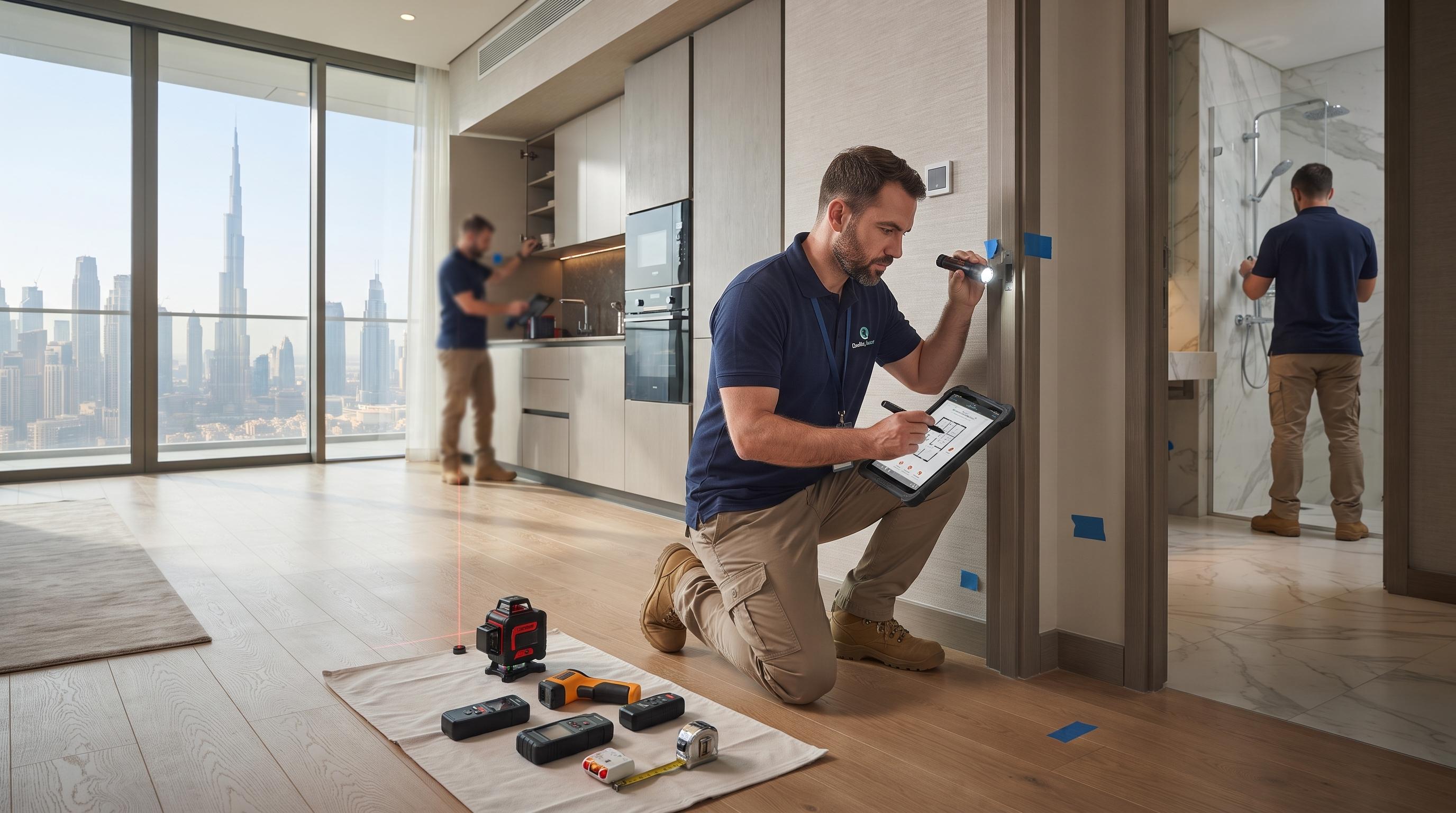
Snagging In Dubai Explained is an important topic for anyone buying, renting, or receiving a newly constructed property in Dubai. A property may look complete and attractive during a first viewing, but small construction defects, finishing problems, installation issues, or hidden concerns can sometimes remain unnoticed. Snagging is the process of carefully inspecting a property to identify these issues before they become difficult or expensive to correct. A proper snagging inspection can cover visible finishes, fixtures, fittings, electrical systems, plumbing, doors, windows, walls, ceilings, flooring, and other accessible areas of a property. Understanding snagging can help property owners approach the handover process with greater confidence and make sure that identified defects are properly communicated for correction.
What Is Snagging In Dubai?
Snagging in Dubai refers to the detailed inspection of a property to identify defects, incomplete work, poor workmanship, damage, or items that do not meet the expected standard. The process is particularly common when buyers are preparing to take possession of a newly built apartment, villa, townhouse, or other property. During a snagging inspection, an experienced inspector examines different parts of the property and records issues that may need attention. These findings can include anything from damaged surfaces and uneven finishes to problems with doors, windows, plumbing fixtures, electrical fittings, cooling systems, and other accessible installations.
Why Is Property Snagging Important?
Property snagging is important because newly constructed properties are not automatically free from defects simply because they appear finished. Construction involves many different trades, materials, installations, and finishing processes, and small problems can sometimes remain after the main work has been completed. Identifying these issues before handover gives the owner an opportunity to raise them with the relevant developer, contractor, or responsible party. Early identification can also make communication easier because the condition of the property can be documented before the owner fully settles into the space.
When Should You Arrange Snagging In Dubai?
Snagging is generally most useful before the final handover of a property because this provides an opportunity to identify defects before taking full possession. However, the appropriate timing can depend on the property, developer process, access arrangements, and type of inspection required. Some buyers may also arrange another inspection after reported defects have been addressed to confirm that the necessary work has actually been completed. For properties that have already been occupied, a professional inspection can still be useful when the owner wants to identify maintenance concerns, construction defects, or areas requiring attention.
What Does a Dubai Snagging Inspection Cover?
A Dubai snagging inspection can cover many areas of a property, depending on the scope agreed with the inspection professional. Common areas include walls, ceilings, floors, doors, windows, cabinets, bathrooms, kitchens, balconies, electrical fittings, plumbing fixtures, air conditioning components, and visible finishing work. Inspectors may also look for signs of poor workmanship, damage, incomplete installation, alignment problems, water-related concerns, gaps, cracks, loose fittings, and other observable defects. The exact inspection scope can vary, so property owners should understand what is included before arranging the service.
Common Defects Found During Property Snagging
Common snagging issues can range from minor finishing problems to concerns that may require more detailed investigation. Examples include scratched surfaces, chipped tiles, uneven flooring, poorly finished paintwork, gaps around fixtures, damaged doors, improperly aligned cabinets, loose handles, faulty switches, leaking plumbing fixtures, drainage concerns, and problems with windows or seals. Some defects may be easy to see during a normal viewing, while others require systematic inspection and testing. Recording each issue clearly can help ensure that defects are communicated to the responsible party for review and correction.
Snagging In Dubai for New Apartments
New apartments in Dubai can benefit from snagging because multiple systems and finishes must work together before a property is ready for occupation. An apartment inspection can cover internal areas such as bedrooms, living spaces, bathrooms, kitchens, corridors, storage areas, balconies, and other accessible sections. Particular attention can be given to finishes, fixtures, doors, windows, plumbing, electrical fittings, cooling systems, and visible workmanship. A detailed inspection can help identify issues that may otherwise be overlooked during a short handover visit.
Snagging In Dubai for Villas and Townhouses
Villas and townhouses can require a broader snagging inspection because they often contain more rooms, larger external areas, multiple bathrooms, kitchens, terraces, balconies, parking spaces, and other property features. Depending on accessibility and the agreed scope, inspection may also consider external finishes, boundary areas, visible drainage features, doors, windows, outdoor installations, and other relevant components. A systematic approach is useful because the larger size of these properties can make it easier for defects to be missed during a quick walkthrough.
What Is Checked During a Snagging Inspection?
A thorough snagging inspection examines the property section by section rather than relying on a general visual impression. Walls and ceilings can be checked for cracks, uneven finishes, stains, or incomplete paintwork, while floors and tiles can be examined for damage, poor alignment, or inconsistent finishing. Doors and windows can be inspected for operation, alignment, seals, and visible damage. Kitchens and bathrooms can be checked for fittings, fixtures, visible plumbing concerns, drainage, cabinetry, and finishing quality. Electrical fittings and cooling-related components may also be reviewed where appropriate and accessible.
Electrical Inspection During Snagging
Electrical systems are an important part of property snagging because switches, sockets, lighting fixtures, appliances, and other electrical installations need to function correctly. A professional inspection may check accessible electrical fittings and identify visible installation concerns, damaged components, loose fittings, or items that do not appear to operate as expected. More advanced electrical testing may require specialist equipment and should only be performed within the appropriate scope and safety conditions. Property owners should understand whether electrical testing is included in their selected snagging service.
Plumbing Inspection During Snagging
Plumbing is another important part of a property inspection because leaks, drainage problems, poor fixture installation, and water-related defects can cause significant inconvenience if they are discovered after occupancy. During snagging, accessible sinks, taps, toilets, showers, drains, visible pipes, and other plumbing fixtures may be checked for obvious issues. Signs of leakage, poor drainage, damaged fittings, or incomplete finishing can be documented for correction. Early identification can help reduce the possibility of a minor plumbing defect becoming a larger property problem.
Air Conditioning and Cooling Checks
Dubai's climate makes effective cooling especially important for comfortable property use. During an appropriate snagging inspection, accessible air conditioning components and controls may be checked for visible problems and basic functionality. Inspectors can look for issues such as unusual operation, damaged vents, poor finishing around installations, drainage concerns, or other observable defects. More detailed mechanical testing may require specialist assessment, particularly when the issue involves equipment performance that cannot be determined through a standard visual or functional inspection.
Doors, Windows, and Fixtures
Doors and windows are important inspection points because they affect security, comfort, ventilation, insulation, and the overall finish of a property. During snagging, inspectors can check whether doors and windows open and close properly, whether visible seals appear correctly installed, and whether there are signs of damage or poor alignment. Handles, locks, hinges, frames, cabinets, and other fixtures can also be examined for installation and finishing concerns. Identifying these problems before handover can make it easier to request corrections while construction or maintenance teams are still involved with the property.
Why Professional Snagging Can Be Useful
Professional snagging can be useful because an experienced inspector approaches the property systematically rather than simply viewing it as a buyer or resident. Professionals are familiar with common construction and finishing problems and can use structured inspection methods to document defects. A professional report can also make it easier for a property owner to communicate findings clearly. However, the quality and scope of snagging services can vary, so property owners should understand the inspector's qualifications, inspection coverage, reporting method, and limitations before choosing a service.
Snagging Report and Defect Documentation
A snagging report is an important part of the inspection process because it records the defects identified during the property assessment. A useful report should clearly describe the location and nature of each issue so that the responsible party can understand what needs attention. Photographs can also help document visible defects and provide a clear record of the property's condition at the time of inspection. The report can then be used during communication with the developer, contractor, property manager, or other responsible party, depending on the circumstances.
What Happens After Snagging?
After snagging has been completed, the identified defects can be communicated to the relevant party for review and correction. The property owner may then need to allow time for the responsible team to address the reported issues. Once corrections have been completed, a follow-up inspection can help determine whether the reported defects have been properly resolved. This follow-up stage can be especially useful when the original inspection identified several issues or when corrections involved multiple trades and property systems.
Benefits of Snagging Before Property Handover
Snagging before property handover can provide several practical benefits for buyers and property owners. It can help identify visible defects before the property becomes fully occupied, create documentation of the property's condition, support clearer communication with the responsible party, and reduce the chance of overlooking finishing problems. It can also provide greater awareness of the condition of the property before furniture, personal belongings, and daily activities make inspection more difficult. The overall purpose is to identify and document issues as early and clearly as possible.
Snagging and Property Investment in Dubai
Property investors can also benefit from understanding snagging because the condition of a property can influence maintenance requirements, tenant experience, and long-term property management. A detailed inspection can help identify defects before a property is rented or occupied. For investors who do not personally live in the property, a professional inspection report can provide useful information about its visible condition. Snagging does not replace legal, structural, or specialist assessments where those are required, but it can form an important part of the broader property handover process.
Difference Between Snagging and General Property Inspection
Snagging and general property inspection are related but can serve different purposes. Snagging is commonly associated with identifying defects and unfinished work in a property, particularly around the handover stage. A general property inspection can have a broader purpose and may be used for assessing the condition of an existing property, identifying maintenance concerns, or evaluating specific building components. The exact scope depends on the inspection service. Property owners should therefore clarify what they need before choosing between snagging and a broader property inspection.
How to Choose a Snagging Company in Dubai
Choosing a snagging company requires attention to the inspection scope, experience, reporting process, areas covered, and professional approach. Property owners should look for a service that clearly explains what will be inspected and what will be included in the final report. It is also useful to understand whether the inspection covers only visible defects or includes specific functional checks. Clear communication about access, property size, inspection limitations, reporting, and follow-up services can help prevent misunderstandings and ensure that the selected service matches the property's requirements.
Mistakes to Avoid During Property Snagging
One common mistake is relying only on a quick visual walkthrough because some defects may not be obvious during a short viewing. Another mistake is failing to document issues clearly, which can make later communication more difficult. Property owners should also avoid assuming that every problem will automatically be corrected without being reported. It is better to record visible concerns carefully and communicate them through the appropriate process. Ignoring small defects can sometimes allow them to become more noticeable or inconvenient after the property is occupied.
Frequently Asked Questions About Snagging In Dubai
What does snagging mean in Dubai property?
Snagging means inspecting a property to identify defects, incomplete work, poor finishing, damage, or installation problems before or around the property handover process. The findings are documented so that the responsible party can review and address them.
Is snagging important for a new property?
Snagging can be useful for a new property because construction and finishing defects can remain even when a property looks complete. An inspection provides a structured opportunity to identify and document issues before or around handover.
What areas are checked during snagging?
A snagging inspection may cover walls, ceilings, floors, doors, windows, kitchens, bathrooms, balconies, electrical fittings, plumbing fixtures, cooling systems, cabinets, and other accessible areas depending on the agreed inspection scope.
Can snagging find hidden problems?
A standard snagging inspection mainly identifies visible defects and issues that can be reasonably checked through accessible inspection methods. Some hidden structural, mechanical, electrical, or plumbing problems may require specialist testing beyond the normal scope of snagging.
Should I use a professional snagging company?
A professional snagging company can be useful when you want a systematic inspection and detailed documentation of property defects. The value of the service depends on the inspector's experience, inspection scope, reporting quality, and the specific needs of the property.
What happens after a snagging report?
After the report is prepared, the identified issues can be communicated to the relevant developer, contractor, or responsible party. Once corrections are completed, a follow-up inspection may be arranged to check whether the reported defects have been addressed.
Is snagging only for new properties?
Snagging is commonly associated with newly constructed properties and handover inspections, but inspection services can also be useful for existing properties when owners want to identify defects, finishing problems, or maintenance concerns.
Why is snagging relevant in Dubai?
Snagging is relevant in Dubai because the property market includes many newly developed apartments, villas, and communities where buyers may need to inspect construction quality and finishing before taking possession. A structured inspection can help document the condition of a property during the handover process.
Conclusion
Snagging In Dubai Explained is essentially about understanding the importance of carefully checking a property before accepting its condition as complete. A professional or systematic snagging inspection can identify defects involving finishes, fixtures, doors, windows, plumbing, electrical fittings, cooling systems, and other accessible areas. Documenting these concerns clearly can make communication with the responsible party easier and can provide a useful record of the property's condition. Whether the property is an apartment, villa, or townhouse, understanding the snagging process can help buyers and owners approach handover with better preparation. The most important step is to inspect carefully, document findings clearly, understand the inspection scope, and follow up on reported defects before considering the property fully ready for use.

 English
 French
 Spanish
 Portuguese
 Deutsch
 Turkish
 Dutch
Dutch
 Italiano
 Russian
 Romaian
 Portuguese (Brazil)
 Greek
Greek