


How Can You Choose the Right Emerald Engagement Ring for Your Style?
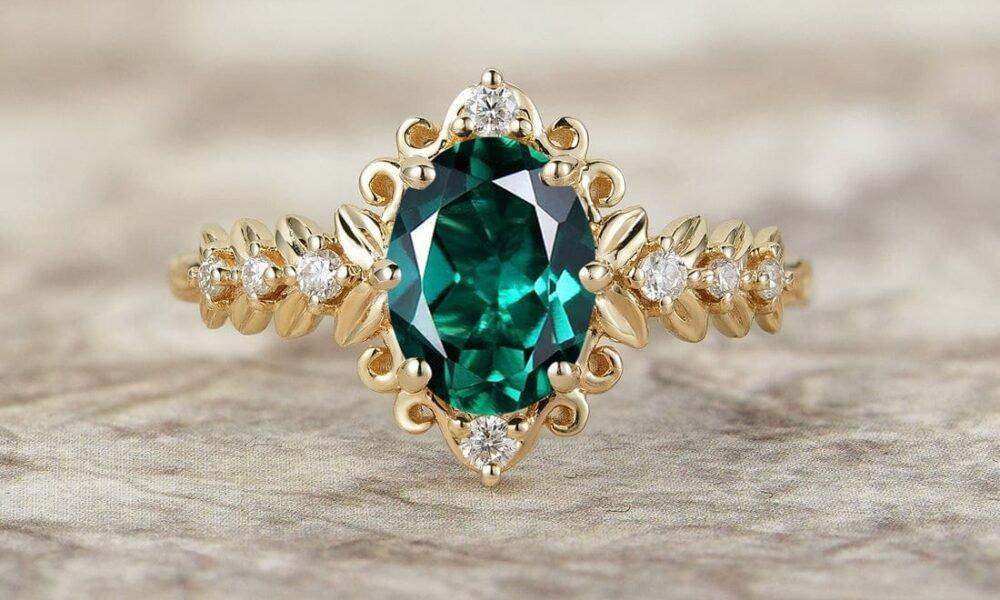
Choosing an engagement ring is a personal decision, especially when you want something that feels distinctive and meaningful. Emerald engagement rings have become a popular choice for couples who prefer a sophisticated alternative to traditional diamond-centered designs. Known for their rich green color, elegant appearance, and timeless appeal, emeralds can bring a distinctive character to an engagement ring. However, selecting the right emerald involves more than simply choosing the greenest stone. Color, clarity, cut, setting, durability, and overall design should all be considered before making a decision.
Why Are Emerald Engagement Rings So Appealing?
Emeralds have been admired for centuries because of their distinctive green color and connection with classic fine jewelry. Unlike diamonds, which are primarily valued for brilliance and fire, emeralds are often appreciated for their color and natural character.
The appeal of an emerald engagement ring can come from several factors:
- Distinctive green color: Emeralds offer a look that immediately stands apart from traditional colorless gemstones.
- Classic appearance: Green gemstones have long been associated with elegant and sophisticated jewelry.
- Unique character: Natural inclusions are common in emeralds, giving many stones an individual appearance.
- Versatile styling: Emeralds can be paired with yellow gold, white gold, platinum, or other metals.
- Vintage influence: Emerald rings can work particularly well with vintage-inspired and Art Deco designs.
For someone who wants an engagement ring with personality, an emerald can provide a different visual experience while still maintaining a refined appearance.
What Should You Look for When Buying an Emerald?
The characteristics that matter most for an emerald are somewhat different from those used to evaluate a diamond. While the traditional 4 Cs can still provide useful context, emeralds require particular attention to their color, clarity, treatment, and overall condition.
1. Pay Attention to Emerald Color
Color is one of the most important characteristics of an emerald. A high-quality emerald generally displays a strong, attractive green color with good saturation.
When examining an emerald, consider:
- Hue
- Tone
- Saturation
- Color consistency across the stone
A stone that appears too pale may not provide the rich visual effect many people expect from an emerald. At the same time, extremely dark stones can sometimes lose some of their visual brightness.
The ideal color ultimately depends on personal preference, but a balanced green appearance is generally sought after in fine emerald jewelry.
2. Understand Emerald Clarity
Emeralds are naturally different from diamonds when it comes to clarity. Most natural emeralds contain internal characteristics, commonly called inclusions.
These inclusions are so common that the French term jardin, meaning “garden,” is often used to describe the internal patterns seen inside emeralds.
Instead of expecting an emerald to be completely free from inclusions, buyers should consider whether the inclusions affect the stone's appearance or structural integrity.
A heavily included emerald may have reduced transparency or may be more vulnerable to damage. Therefore, clarity should be evaluated alongside the stone's overall appearance.
3. Consider the Emerald Cut
The emerald cut is particularly popular because its long, rectangular facets can complement the gemstone's natural color and elegant appearance. However, emeralds can be shaped in many other ways.
Popular options include:
- Emerald cut
- Oval
- Cushion
- Round
- Pear
- Asscher-inspired cuts
The right shape should complement the wearer's personal style and the design of the ring.
For example, an elongated emerald cut can create a sleek and sophisticated appearance, while an oval emerald may provide a softer and more traditional look.
Are Emerald Engagement Rings Durable Enough for Everyday Wear?
Durability should be considered carefully when choosing any gemstone for an engagement ring. Emeralds rank lower on the Mohs hardness scale than diamonds, meaning they can be more susceptible to scratching and damage.
This does not mean an emerald engagement ring cannot be worn regularly. It simply means additional care may be required.
Emeralds can also contain natural inclusions that may make them more vulnerable to impact. Because of this, the protective design of the setting becomes particularly important.
A secure setting can help reduce the risk of accidental damage during everyday activities.
For everyday wear, it is generally sensible to remove an emerald ring during activities such as:
- Heavy lifting
- Sports
- Gardening
- Household work involving harsh chemicals
- Activities where the ring could experience strong impact
Proper care can help preserve the gemstone's appearance for many years.
Which Metal Works Best With an Emerald?
The metal surrounding the gemstone can significantly influence how the emerald looks.
Yellow Gold
Yellow gold creates a warm and traditional combination with green emeralds. The golden tone can enhance the richness of the gemstone and works especially well with vintage-inspired designs.
White Gold
White gold offers a more contemporary appearance. Its neutral color can create contrast against the green gemstone, allowing the emerald to remain the visual focus.
Platinum
Platinum provides a durable and sophisticated setting option. Its naturally white appearance can complement an emerald without competing with the stone's color.
Rose Gold
Rose gold creates a warmer and more romantic appearance. The contrast between the pinkish metal and green gemstone can result in a distinctive engagement ring design.
There is no single metal that works for every emerald. The choice should be based on personal style, existing jewelry, skin-tone preferences, and the overall design of the ring.
What Ring Settings Work Well With Emeralds?
The setting protects the gemstone while also contributing to the overall appearance of the ring.
Solitaire Setting
A solitaire setting places the emerald at the center of attention. This approach works well for someone who prefers a clean and elegant design.
Halo Setting
A halo surrounds the central emerald with smaller gemstones. This can add additional sparkle while visually emphasizing the center stone.
Three-Stone Setting
A three-stone design places additional gemstones beside the emerald. The arrangement can create a balanced and meaningful appearance while giving the ring more visual presence.
Bezel Setting
A bezel setting surrounds the gemstone with metal. This can provide additional protection around the edges of the emerald, making it an option worth considering for someone concerned about everyday wear.
Should You Choose a Natural or Lab-Created Emerald?
Emeralds can be obtained from natural sources or created in controlled laboratory environments. Both options can have advantages depending on the buyer's priorities.
Natural Emeralds
Natural emeralds are formed through geological processes over long periods. Their unique inclusions and variations are part of their natural identity.
When buying a natural emerald, information about its origin and any treatments can be important.
Lab-Created Emeralds
Lab-created emeralds are produced under controlled conditions and can provide an alternative for buyers who want an emerald appearance at a different price point.
The terminology used by the seller should be understood clearly before purchase. Buyers should know whether they are purchasing a natural gemstone, a laboratory-created gemstone, or another green gemstone that resembles emerald.
Transparency about gemstone identity and treatments is particularly important when purchasing fine jewelry.
How Does Emerald Treatment Affect Your Purchase?
Many emeralds are treated to improve their appearance. Oil treatment is commonly associated with emeralds because it can help reduce the visibility of surface-reaching inclusions.
Treatment is not necessarily a reason to avoid an emerald. However, buyers should understand what treatment has been applied and how it may affect maintenance.
A reputable jeweler should be able to provide information about:
- Whether the emerald has been treated
- The type of treatment used
- The gemstone's origin, where available
- Any care requirements associated with the treatment
- Relevant certification or documentation
This information can help buyers make a more informed purchase rather than judging the gemstone only by its appearance.
How Can You Match an Emerald Ring With Your Personal Style?
The best engagement ring should feel appropriate for the person wearing it. Emeralds can be styled in many different ways, which makes them suitable for different jewelry preferences.
Someone who prefers classic jewelry may choose a simple emerald solitaire with a polished metal band.
For a vintage-inspired look, an emerald surrounded by detailed metalwork or smaller diamonds can create a more decorative appearance.
A modern design may feature a clean emerald cut with minimal detailing, while a more elaborate ring can incorporate side stones, engraving, or a halo.
Before choosing a design, consider the jewelry already worn regularly. Matching the engagement ring with existing necklaces, earrings, bracelets, or wedding bands can help create a more cohesive collection.
What Should You Know About Caring for an Emerald Ring?
Proper care is especially important for emerald jewelry. The gemstone should be protected from strong impacts and harsh chemicals.
Unlike some other gemstones, emeralds should not automatically be subjected to aggressive cleaning methods.
For routine maintenance:
- Clean the ring gently with mild soapy water when appropriate.
- Use a soft cloth to remove surface residue.
- Avoid harsh chemicals and abrasive cleaners.
- Remove the ring during strenuous activities.
- Store it separately from harder gemstones.
- Have the setting checked periodically by a qualified jeweler.
If the emerald has been treated, additional care instructions may apply. Professional cleaning should therefore be discussed with the jeweler before any intensive cleaning method is used.
How Much Should You Consider Before Buying?
The price of an emerald engagement ring can vary substantially. Several factors influence the final cost, including gemstone quality, size, origin, treatment, setting, metal, and craftsmanship.
A larger emerald is not automatically better. A smaller gemstone with attractive color, good transparency, and a well-executed cut may be more visually appealing than a larger stone with poor characteristics.
Instead of focusing only on carat weight, buyers should evaluate the complete ring.
A sensible purchasing process can include:
- Establishing a realistic budget.
- Comparing several emeralds.
- Examining color under different lighting conditions.
- Asking about treatments.
- Checking the metal quality.
- Reviewing available gemstone documentation.
- Understanding the jeweler's return and warranty policies.
The purchase should be based on the complete value and condition of the ring rather than one specification alone.
Why Certification and Professional Guidance Matter
When purchasing a valuable gemstone, reliable information can make the process easier. Gemological reports can provide useful details about a gemstone's characteristics, while an experienced jeweler can explain how the stone has been treated and how it should be maintained.
Buyers should be cautious when a gemstone's description is vague or when important information is unavailable.
Professional guidance can be particularly useful when comparing natural emeralds with laboratory-created alternatives or when evaluating stones with significant inclusions.
Documentation should be reviewed carefully, and gemstone terminology should be understood before the purchase is finalized.
Final Thought
Choosing emerald engagement rings is ultimately about finding a balance between beauty, durability, personal style, and informed purchasing. Emeralds offer a distinctive alternative to traditional engagement ring gemstones, with their rich green color and natural character making each stone visually unique. By paying attention to color, clarity, cut, treatment, setting, metal, and care requirements, you can better understand what you are purchasing and select a ring that suits your style and everyday needs. A well-chosen emerald engagement ring can become more than an engagement symbol. It can become a meaningful piece of jewelry designed to be appreciated for years to come.

 English
 Arabic
 French
 Spanish
 Portuguese
 Deutsch
 Turkish
 Italiano
 Russian
 Romaian
 Portuguese (Brazil)
 Greek
Greek