


 About
 Terms
 Privacy
How Can Garage Door Installation and Repair Keep Your Door Working Reliably?
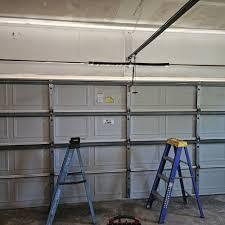
Garage Door Installation and Repair are important parts of maintaining a safe, functional, and dependable garage door system. Whether a property needs a new door or an existing system has developed an operational problem, making the right decision can affect everyday convenience, security, and long-term performance. A garage door consists of several connected components, and each part must work correctly for the complete system to operate smoothly.
Garage Door Installation Services help property owners select and install a door that matches their opening dimensions, design preferences, insulation requirements, and operating needs. A properly planned installation also considers the tracks, springs, cables, rollers, and opener to ensure that the complete assembly is compatible.
Garage Door Repair Services, on the other hand, address problems that develop after installation. These may include unusual noises, uneven movement, damaged panels, opener malfunctions, worn rollers, or spring-related issues. Understanding when a system needs repair and when replacement is more appropriate can help property owners make practical decisions.
Why Does a Garage Door Need Proper Installation and Ongoing Attention?
A garage door is more than a large panel that opens and closes. It is a mechanical system that relies on multiple components working together. When one part becomes damaged, worn, or incorrectly adjusted, it can affect the performance of other components.
For example, a door that moves unevenly may place additional stress on its rollers, tracks, and opener. Similarly, an incorrectly balanced door can make the opener work harder than intended.
Proper installation establishes the foundation for reliable operation, while appropriate repairs help address problems as they develop. Both services are important because even a high-quality door can experience operational difficulties if its components are not maintained or correctly configured.
How the Complete Door System Works
Most garage door systems include several essential parts:
· Door panels: Form the main barrier between the garage and outside environment.
· Tracks: Guide the door as it moves between open and closed positions.
· Rollers: Help the door travel along its tracks.
· Springs: Counterbalance the door's weight.
· Cables: Work with the spring system to support controlled movement.
· Hinges and brackets: Connect sections and support the door assembly.
· Garage door opener: Provides powered operation.
· Safety sensors: Help detect obstructions in the door's closing path.
Each component has a specific function. A problem with one part may influence the movement and performance of the entire system.
What Should You Consider Before Installing a New Garage Door?
Choosing a new garage door involves more than selecting a style that looks attractive. Property owners should evaluate the building, available space, intended use, and environmental conditions before making a decision. Professional Garage Door Installation Services can help ensure the selected door fits properly, operates smoothly, and meets the property's functional and safety requirements.
Accurate Measurements and Opening Compatibility
The first consideration is the size and configuration of the garage opening. Installers generally evaluate the opening's width and height, available headroom, side clearance, and backroom.
These measurements help determine which door designs and track arrangements can fit properly. Ceiling obstructions, lighting fixtures, structural beams, and other building features may also affect the installation plan.
Incorrect measurements can lead to fitting difficulties, alignment issues, or unnecessary adjustments during installation.
Choosing the Right Garage Door Material
Garage doors are available in different materials, and each has its own practical characteristics.
Steel garage doors: Often selected for their durability and variety of available designs. Their finish and protective coating should be considered when evaluating exposure to moisture and weather.
Aluminum garage doors: Can offer a lighter construction and may suit contemporary architectural styles. The specific design should be evaluated for its intended application.
Wood garage doors: Provide a traditional appearance and can complement certain property designs. They may require more attention to finishing and environmental exposure.
Composite garage doors: Can offer the appearance of selected traditional materials with different maintenance characteristics, depending on the product.
The right choice depends on the building's appearance, operating requirements, maintenance expectations, and available budget.
Insulation and Weather Protection
Insulated garage doors can help reduce heat transfer between the garage and outdoor environment. This may be useful when the garage is attached to the home, used as a workspace, or connected to an area where temperature consistency matters.
Weather seals around the perimeter and bottom of the door can also help limit drafts, dust, moisture, and debris entering through gaps.
Property owners should consider their local climate and how the garage is used before choosing the insulation level and sealing arrangement.
How Does Professional Installation Support Long-Term Performance?
A successful installation depends on the correct preparation and assembly of the complete garage door system. The door, tracks, springs, cables, and opener must be suitable for one another.
Preparing the Installation Area
Before installation begins, the work area should be cleared of vehicles, stored materials, and other obstructions. This provides enough room for installers to handle door sections, hardware, and tools safely.
The surrounding structure should also be reviewed to determine whether it can support the selected system. Any necessary preparation should be identified before the new door is fitted.
Installing and Aligning the Components
The installation process typically involves positioning the tracks, assembling door sections, connecting hinges and rollers, and configuring the spring and cable system.
Proper alignment is especially important. Tracks that are incorrectly positioned can interfere with door movement, while unsuitable hardware can affect the operation of the entire assembly.
Testing the Door and Opener
After installation, the system should be tested to confirm that it opens and closes correctly. The installer should also check the door's balance, movement, opener response, and applicable safety features.
A final inspection helps identify adjustments that may be necessary before the system is put into regular use.
What Garage Door Problems Should Property Owners Recognize?
Recognizing early warning signs can help prevent a minor issue from developing into a more serious operational problem. Garage doors often show changes in movement, sound, or responsiveness before a component stops functioning completely.
Unusual Grinding, Squeaking, or Banging Sounds
Different noises can indicate different mechanical problems.
· Squeaking may be associated with worn rollers or moving components.
· Grinding can indicate track or roller problems.
· Banging may suggest a loose component or another mechanical issue.
· Sudden loud popping can sometimes be associated with a spring failure.
Noise alone cannot confirm the exact cause. A technician should inspect the system before any repair decision is made.
Uneven or Jerky Door Movement
A garage door should move smoothly along its tracks. If one side appears lower than the other, or the door shakes while opening, there may be an issue involving the tracks, rollers, cables, or spring system.
Continuing to operate an uneven door can place additional strain on the opener and other components. It is better to stop using the system and arrange an inspection.
The Door Does Not Open or Close Completely
A door that stops midway, reverses unexpectedly, or refuses to close may have an opener, sensor, track, or mechanical problem.
Before assuming that the motor has failed, property owners can check whether the opener has power and whether anything is obstructing the sensor path. More complex electrical or mechanical issues should be assessed by a qualified technician.
When Should You Repair a Garage Door Instead of Replacing It?
Not every garage door problem requires a complete replacement. In many situations, repairing a specific component can restore normal operation without replacing the entire system.
Situations Where Repair May Be Appropriate
Repair may be worth considering when:
· A roller or hinge is worn but the door sections remain in good condition.
· The opener has a repairable electrical or mechanical issue.
· A track requires professional realignment.
· Weather seals have deteriorated.
· A limited number of door sections have sustained repairable damage.
The condition of the remaining components should also be considered before choosing a repair.
When Replacement May Be More Practical
Replacement may be appropriate when the door has extensive structural damage, repeated failures, severe corrosion, or multiple components that are nearing the end of their useful service life.
An older door may also lack features that are important to the property's current requirements. If repair costs continue to accumulate, comparing the condition and expected performance of a replacement system may be worthwhile.
A professional inspection can help determine whether repairing the existing system is practical or whether installing a new door is a better long-term decision.
Why Are Garage Door Springs and Cables Important?
Springs and cables play a major role in controlling the movement of a garage door. The spring system counterbalances much of the door's weight, allowing the opener or manual operation to move it more easily.
When a spring breaks, the door may become extremely heavy or stop operating properly. A damaged cable can also interfere with balanced movement and create an unsafe operating condition.
Warning Signs of Spring or Cable Problems
Property owners should pay attention to:
· A visible gap in a torsion spring.
· A loose or hanging cable.
· A door that suddenly feels unusually heavy.
· One side of the door sitting lower than the other.
· A door that cannot complete its normal opening movement.
Springs and cables operate under significant tension. Attempting to adjust or replace these components without appropriate training and equipment can cause serious injury. These repairs should be handled by qualified professionals.
How Can Garage Door Openers Affect Overall Performance?
The opener is responsible for powered door movement, but it depends on the door being properly balanced and mechanically sound.
A struggling opener does not always mean that the motor itself is defective. Problems with the door's tracks, rollers, springs, or alignment can also affect opener performance.
Common Opener Problems
Some issues that property owners may experience include:
· The remote control does not respond.
· The wall control works inconsistently.
· The opener makes noise but the door does not move.
· The door reverses before reaching the floor.
· The opener operates intermittently.
Basic checks include confirming the power supply, replacing weak remote batteries, and checking for visible sensor obstructions. If the problem continues, a technician should inspect the opener and the door's mechanical components together.
What Maintenance Practices Help Keep a Garage Door Reliable?
Regular attention can help property owners identify wear before it causes an unexpected interruption.
A practical maintenance routine includes:
1. Observe door movement: Watch for uneven travel, shaking, or unusual stopping.
2. Inspect visible hardware: Look for loose brackets, damaged hinges, and worn rollers.
3. Check weather seals: Look for cracks, gaps, or deterioration.
4. Test safety sensors: Confirm that the applicable safety features respond correctly.
5. Listen for new noises: Changes in sound can indicate developing mechanical problems.
6. Arrange professional inspections: Have springs, cables, and other high-tension components assessed by qualified technicians.
Avoid loosening spring hardware or attempting to adjust cables yourself. Maintenance should follow the manufacturer's recommendations and the system's actual operating conditions.
Why Choose Legacy Garage Doors for Garage Door Installation and Repair?
Selecting a garage door service provider is an important decision because installation quality and repair work both influence the reliability of the system. Legacy Garage Doors can help property owners consider their door requirements, identify operational concerns, and understand which service may be appropriate.
Before beginning a project, it is useful to discuss the door's condition, opening dimensions, operating problems, and preferred design. This information helps establish the scope of work and makes it easier to identify suitable solutions.
For a new installation, property owners should understand the proposed door construction, hardware compatibility, opener requirements, and safety features. For an existing door, an inspection can help identify the source of the problem before unnecessary parts are replaced.
A clear understanding of the work involved supports better decisions and helps property owners focus on the actual needs of their garage door system.
Frequently Asked Questions
1. What is included in garage door installation?
Garage door installation generally includes measuring the opening, preparing the area, assembling door sections, fitting tracks and hardware, configuring springs and cables, and testing the opener and safety features.
2. What are the most common reasons a garage door needs repair?
Common reasons include worn rollers, damaged springs, cable problems, track misalignment, opener malfunctions, damaged panels, and deteriorated weather seals.
3. How do I know whether my garage door needs repair or replacement?
A professional inspection can help determine the extent of the damage. Limited component problems may be repairable, while extensive structural damage, repeated failures, or widespread wear may make replacement more practical.
4. Can I continue using a garage door that makes unusual noises?
It depends on the cause. New grinding, banging, or sudden popping sounds may indicate a mechanical issue. Stop using the door if it moves unevenly, appears unstable, or has a visible spring or cable problem, and arrange a professional inspection.
5. How often should a garage door be inspected?
Inspection frequency depends on usage, the door manufacturer's recommendations, and operating conditions. Regular visual checks and periodic professional inspections can help identify developing problems.
6. Should garage door springs be repaired by homeowners?
No. Garage door springs are under significant tension and can cause serious injuries if handled incorrectly. Spring inspection, adjustment, and replacement should be performed by qualified technicians.
7. Does a new garage door require a new opener?
Not necessarily. An existing opener may be compatible with a replacement door, but its condition, lifting capacity, configuration, and manufacturer specifications should be evaluated before reuse.
Conclusion
A dependable garage door system begins with suitable installation and continues with timely attention to its mechanical components. Choosing the right door, ensuring correct alignment, and using compatible hardware can support smooth operation and help reduce avoidable problems.
When issues develop, identifying the actual cause is essential. Some problems can be resolved through targeted repairs, while extensive damage or repeated failures may make replacement a more practical option.
❤️ Support Friends Aim! View a sponsored ad to help cover our website costs. Thanks!
Support Us — Ad 1 Support Us — Ad 2- Arts, Culture & Design
- Automotive & Transport
- Accounting & Finance
- Advertising & Marketing
- Agriculture & Farming
- Business & Consulting
- Books & Publishing
- Building & Construction
- Beauty & Personal Care
- Baby, Kids & Parenting
- Charity & Social Causes
- Crafts & Handmade
- Careers & Jobs
- Computers & Laptops
- Consumer Electronics
- Entertainment & Events
- Food & Beverages
- Delivery & Logistics
- Digital Media & Content
- Dating & Relationships
- E-Commerce & Retail
- Education & Learning
- Energy & Environment
- Fitness
- Fashion & Apparel
- Gaming & Toys
- Government & Legal
- Gardening
- Health & Medical Care
- Home Decor & Furniture
- IT & Software
- Industrial & Tools
- Import & Export
- Jewelry & Watches
- Lifestyle & Wellness
- Legal Services & Law
- News & Media
- News & Current Affairs
- Religion & Faith
- Sports
- Technology
- Travel & Tourism
- Weddings & Events
- Other

 Arabic
 French
 Spanish
 Portuguese
 Deutsch
 Turkish
 Dutch
 Italiano
 Russian
 Romaian
 Portuguese (Brazil)
 Greek