


 About
 Terms
 Privacy
Exploring Hair Regrowth Options for Alopecia Areata in Islamabad
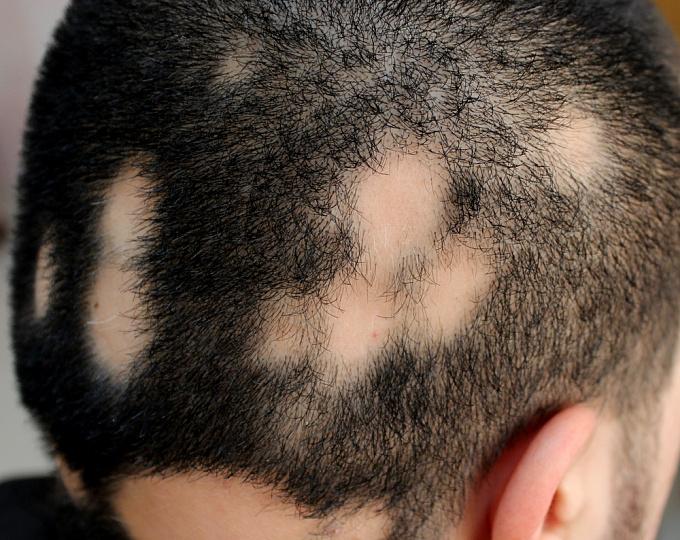
Hair loss can be frustrating, particularly when it appears suddenly in small, round patches on the scalp. Alopecia Areata is an autoimmune condition in which the immune system mistakenly attacks healthy hair follicles, resulting in patchy hair loss. It can affect people of different ages and may also involve eyebrows, eyelashes, beards, and other body areas.
Unlike permanent hair loss caused by certain types of follicle damage, Alopecia Areata does not usually destroy hair follicles. This means hair regrowth is possible, although results vary depending on the severity and individual response to treatment.
People experiencing patchy hair loss often explore different treatment options to restore their hair. Understanding the available approaches can help patients make informed decisions about managing Alopecia Areata in Islamabad.
Quick Overview: Hair regrowth options for Alopecia Areata may include corticosteroid treatments, topical medications, minoxidil as an adjunct, and specialist-supervised therapies. The appropriate approach depends on the extent of hair loss, medical history, and response to previous treatment.
What Causes Alopecia Areata?
Alopecia Areata develops when the immune system targets hair follicles and interrupts their normal growth cycle. Although the exact cause is not completely understood, several factors may contribute to its development.
Common factors associated with the condition include:
-
Genetic predisposition: A family history of Alopecia Areata or other autoimmune conditions may increase susceptibility.
-
Immune system activity: An abnormal immune response affects healthy hair follicles.
-
Environmental factors: Certain environmental triggers may contribute to the onset of the condition.
-
Stress: Emotional or physical stress may be associated with flare-ups in some individuals, although it is not considered the sole cause.
-
Other autoimmune conditions: Some patients may have associated thyroid or other autoimmune disorders.
Identifying the possible contributing factors helps healthcare professionals develop a suitable management plan.
Effective Hair Regrowth Options for Alopecia Areata
Several treatment approaches are available for people experiencing patchy hair loss. The choice depends on whether the condition is limited to a few patches or involves extensive scalp hair loss.
Corticosteroid Injections
Intralesional corticosteroid injections are commonly used for adults with limited patches of Alopecia Areata. These medications help reduce inflammation and suppress the abnormal immune response around affected hair follicles.
A qualified dermatologist administers small injections into the affected areas at scheduled intervals. Hair regrowth may become noticeable over several weeks, although repeated sessions may be required.
Possible side effects include temporary discomfort, skin thinning, and small changes in skin pigmentation.
Topical Corticosteroids
Topical corticosteroids are applied directly to affected scalp areas. They help control inflammation and may encourage hair regrowth in selected patients.
These medications are sometimes recommended when injections are unsuitable or when several areas require treatment. Their strength, application frequency, and treatment duration should be determined by a healthcare professional.
Minoxidil for Supporting Hair Regrowth
Minoxidil is a topical medication commonly associated with hair growth. Although it does not treat the underlying autoimmune activity of Alopecia Areata, dermatologists may recommend it as an additional option to support regrowth in selected cases.
Patients should understand that minoxidil is not a standalone cure for Alopecia Areata. Its suitability depends on the patient's condition and overall treatment plan.
Contact Immunotherapy
For extensive or persistent Alopecia Areata, dermatologists may consider contact immunotherapy. This treatment involves applying a carefully selected substance to the scalp to create a controlled skin reaction that changes the local immune response.
It is generally performed under specialist supervision and may require multiple sessions. It is not suitable for everyone, and patients should discuss possible side effects before starting.
JAK Inhibitor Treatments
Janus kinase (JAK) inhibitors are prescription medications that target specific immune-system pathways involved in Alopecia Areata.
Certain JAK inhibitors are approved for specific forms of severe Alopecia Areata in eligible patients. However, they require careful medical assessment because they can carry significant risks, including serious infections and other complications.
A specialist must evaluate the patient's medical history, treatment eligibility, and monitoring requirements before prescribing these medications.
Can PRP Therapy Help with Alopecia Areata?
Platelet-Rich Plasma (PRP) therapy is another hair restoration approach that patients may ask about when exploring treatment options.
PRP involves collecting a small blood sample, processing it to concentrate platelets, and injecting the prepared plasma into selected scalp areas. It is being investigated for different hair loss conditions because platelets contain growth factors that may support tissue repair and follicular activity.
However, PRP is not an established first-line treatment for Alopecia Areata. Evidence supporting its effectiveness for this autoimmune condition remains limited. It should not replace proven medical treatments or specialist evaluation.
Patients should discuss its potential benefits and limitations with a qualified healthcare professional before considering the procedure.
How to Choose the Right Alopecia Areata Clinic in Islamabad
Selecting an appropriate clinic is an important step when seeking professional help for patchy hair loss. Patients should look beyond promotional claims and consider the quality of medical assessment, professional qualifications, and treatment recommendations.
Before choosing a clinic, consider the following factors:
-
Qualified professionals: Check whether the clinic has appropriately qualified dermatologists or medical professionals experienced in hair and scalp conditions.
-
Accurate diagnosis: A proper examination helps distinguish Alopecia Areata from fungal infections, pattern hair loss, and other scalp disorders.
-
Individual treatment plans: Hair loss patterns and treatment responses differ, so recommendations should reflect individual needs.
-
Transparent guidance: Patients should receive clear information about expected results, potential side effects, costs, and treatment limitations.
-
Follow-up support: Regular assessments help monitor hair regrowth and identify possible recurrence.
Considering SKN Cosmetics in Islamabad: Patients exploring professional hair and scalp care can consider SKN Cosmetics in Islamabad as one clinic option. Before beginning any treatment for Alopecia Areata, patients should confirm the availability of appropriate medical assessment and consult a qualified dermatologist about their condition. A personalized treatment recommendation, realistic expectations, and proper follow-up are important when selecting a suitable hair restoration approach.
Lifestyle and Scalp Care During Hair Regrowth
Medical treatment is often the main approach to managing Alopecia Areata, but healthy daily habits can support general hair and scalp health.
Consider these practical measures:
-
Maintain a balanced diet containing protein, iron, zinc, and essential vitamins.
-
Avoid excessive heat styling and harsh chemical treatments.
-
Use gentle shampoos and avoid unnecessary scalp irritation.
-
Manage stress through regular exercise, relaxation, and adequate sleep.
-
Avoid unverified hair growth products and self-prescribed medications.
-
Follow scheduled medical appointments to assess treatment progress.
Remember that healthy lifestyle habits cannot independently cure the autoimmune process responsible for Alopecia Areata.
What Results Can Patients Expect from Alopecia Areata Treatment?
Hair regrowth varies significantly between individuals. Some patients with limited patches experience spontaneous regrowth, while others require medical treatment and longer-term monitoring.
Initially, new hair may appear fine, soft, or lighter in colour before gradually developing a more typical appearance. However, recurrence is possible, even after successful regrowth.
Patients should understand that no treatment guarantees permanent results. Consistent follow-up and early evaluation of new patches can help healthcare professionals adjust the treatment approach when necessary.
Frequently Asked Questions
Q1. Can Alopecia Areata hair grow back?
Yes. Hair can regrow naturally or with appropriate treatment, although recurrence is possible.
Q2. What is the best treatment for Alopecia Areata?
Corticosteroid injections are commonly used for limited patches. Treatment depends on severity.
Q3. Does PRP cure Alopecia Areata?
No. PRP is not an established cure, and evidence for its effectiveness remains limited.
Q4. How long does hair regrowth take?
Some patients notice regrowth within a few months, but results vary.
Q5. Can stress cause Alopecia Areata?
Stress may contribute to flare-ups in some individuals, but it is not the only cause.
Final Thoughts
Exploring suitable hair regrowth options is an important step for individuals experiencing patchy hair loss. From corticosteroid injections and topical medications to specialist-supervised therapies, several approaches may help manage Alopecia Areata. The most appropriate treatment depends on the patient's condition, medical history, and treatment response.
For people researching Alopecia Areata in Islamabad, choosing qualified medical professionals, receiving an accurate diagnosis, and following an individualized treatment plan can make the management process more informed and effective. With appropriate guidance and regular monitoring, many patients can achieve meaningful hair regrowth.
❤️ Support Friends Aim! View a sponsored ad to help cover our website costs. Thanks!
Support Us — Ad 1 Support Us — Ad 2- Arts, Culture & Design
- Automotive & Transport
- Accounting & Finance
- Advertising & Marketing
- Agriculture & Farming
- Business & Consulting
- Books & Publishing
- Building & Construction
- Beauty & Personal Care
- Baby, Kids & Parenting
- Charity & Social Causes
- Crafts & Handmade
- Careers & Jobs
- Computers & Laptops
- Consumer Electronics
- Entertainment & Events
- Food & Beverages
- Delivery & Logistics
- Digital Media & Content
- Dating & Relationships
- E-Commerce & Retail
- Education & Learning
- Energy & Environment
- Fitness
- Fashion & Apparel
- Gaming & Toys
- Government & Legal
- Gardening
- Health & Medical Care
- Home Decor & Furniture
- IT & Software
- Industrial & Tools
- Import & Export
- Jewelry & Watches
- Lifestyle & Wellness
- Legal Services & Law
- News & Media
- News & Current Affairs
- Religion & Faith
- Sports
- Technology
- Travel & Tourism
- Weddings & Events
- Other

 Arabic
 French
 Spanish
 Portuguese
 Deutsch
 Turkish
 Dutch
 Italiano
 Russian
 Romaian
 Portuguese (Brazil)
 Greek