


Complete Fixed Wiring Testing and Electrical Installation Condition Assessment
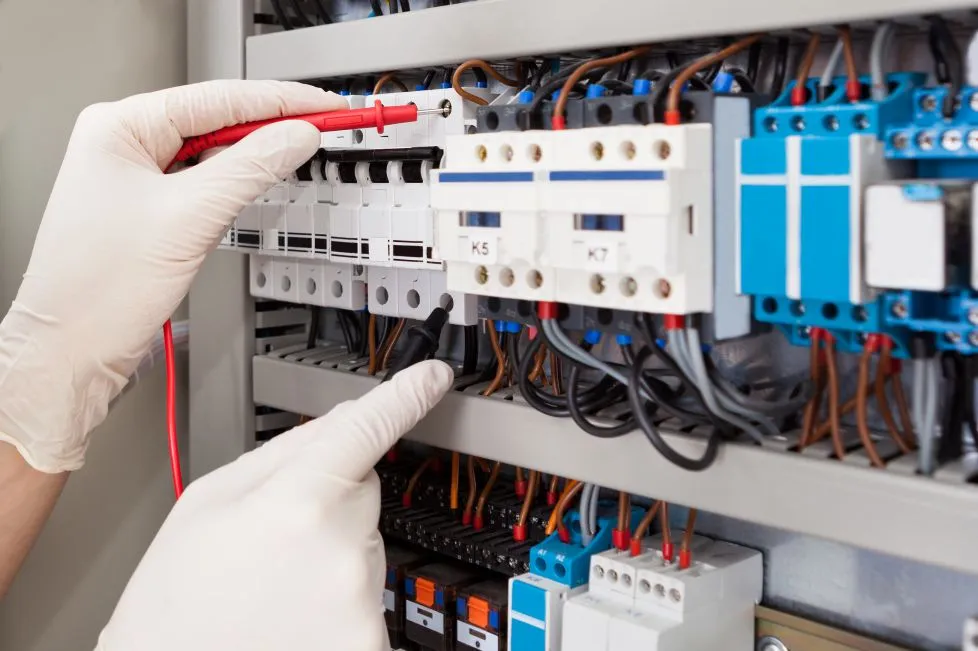
Fixed electrical systems are easy to overlook because most of the wiring sits behind walls, above ceilings or inside distribution equipment. A light can switch on normally and a socket can continue supplying power even when parts of the installation have started to deteriorate. Periodic fixed wiring testing is intended to find these issues through structured inspection and electrical testing.
Property owners searching for fixed wiring tesing London services will commonly come across the term EICR. An Electrical Installation Condition Report records the condition of an existing fixed electrical installation and identifies defects that may require repair or further investigation.
For landlords, commercial property owners and managing agents, the report can also form part of an organised electrical safety programme.
What Is Fixed Wiring Testing?
Fixed wiring testing examines electrical installations that form a permanent part of a building. This can include wiring, circuits, consumer units or distribution boards, sockets, switches, earthing arrangements, protective devices and other permanently installed electrical equipment within the agreed scope.
It is different from Portable Appliance Testing. PAT testing deals with portable electrical equipment, while an EICR test concentrates on the fixed installation supplying electricity around the property.
The work combines visual inspection with electrical tests. This matters because many electrical defects can't be identified simply by looking at a socket or distribution board.
Testing is carried out with reference to BS 7671, Requirements for Electrical Installations. Once the assessment is complete, the electrician records the findings in an EICR report.
EICR Meaning and Why the Report Matters
EICR stands for Electrical Installation Condition Report.
The report gives a documented assessment of an electrical installation at the time of inspection. Rather than merely stating that testing took place, an EICR records observations and relevant test results before giving an overall outcome.
This makes the electrical installation condition report useful for more than one reason. It can identify deterioration, potentially dangerous conditions and areas requiring further investigation. It also creates a written electrical record that can be retained with other building documentation.
For landlords, an EICR may be referred to informally as an electrical safety certificate or landlord electrical safety certificate. Although those terms are widely used, the EICR is the actual report produced following periodic inspection and testing of the fixed installation.
What Is Checked During an EICR?
The exact scope depends on the property and electrical installation. A one-bedroom flat with a single consumer unit won't require the same amount of work as a large commercial building with several distribution boards.
Typical areas assessed during fixed wiring testing include:
| Electrical area | What may be assessed |
|---|---|
| Consumer unit or distribution board | Condition and protective arrangements |
| Fixed wiring | Accessible condition and deterioration |
| Final circuits | Electrical test results and possible faults |
| Earthing arrangements | Condition and suitability |
| Protective bonding | Presence and condition where applicable |
| RCD protection | Presence and operation where required |
| Sockets and switches | Damage, overheating and deterioration |
| Protective devices | Suitability for the circuits concerned |
| Electrical accessories | Visible damage, wear or other safety concerns |
The inspection may also identify evidence of previous electrical alterations. Older properties often accumulate changes over many years, particularly where extensions, new kitchens or additional circuits have been installed at different times.
Why Visual Checks Alone Aren't Enough
Some electrical problems are obvious. A broken socket face, exposed conductor or scorch mark should attract attention immediately.
Other problems aren't visible.
An installation can contain deteriorated wiring, unsuitable protective arrangements or circuit faults without showing obvious signs during everyday use. Proper test equipment allows an electrician to assess characteristics that can't be confirmed from appearance alone.
This is where an EICR check differs from a casual electrical inspection.
A property owner may see a modern-looking consumer unit and assume the entire installation is in good condition. The wiring connected to it may be considerably older, and previous alterations elsewhere in the building may still require assessment.
Understanding EICR Classification Codes
When defects are found, an EICR uses classification codes to communicate their seriousness.
A C1 classification indicates that danger is present and immediate action is required. C2 means a potentially dangerous condition has been identified and urgent remedial action is required. FI means further investigation is necessary without delay.
C3 records an improvement recommendation.
The difference matters. A C3 observation doesn't carry the same meaning as a C1 or C2.
An EICR containing C1, C2 or FI observations will generally receive an unsatisfactory outcome. That doesn't automatically mean the entire installation needs replacing. The necessary work depends on the defects recorded.
For example, one property might have a small number of isolated problems. Another may have widespread issues associated with an older installation. Reading the observations gives a much clearer picture than looking only at the final satisfactory or unsatisfactory result.
Fixed Wiring Testing for Landlords
Landlords have particular reasons for keeping electrical inspections up to date.
Under the Electrical Safety Standards in the Private Rented Sector (England) Regulations 2020, landlords of properties covered by the regulations must arrange inspection and testing of electrical installations by a qualified person at intervals of no more than five years. The previous report may specify an earlier inspection.
This is where the commonly used phrase landlord electrical safety certificate comes from.
If the report identifies remedial or further investigative work that falls within the regulations, the landlord generally needs to arrange it within 28 days, or within a shorter period where the report specifies one.
Keeping the EICR certificate together with later remedial documentation provides a clear record of what was identified and what action followed.
Fixed Wiring Testing for Commercial Properties
Commercial electrical installations can differ considerably from domestic ones.
An office, shop, warehouse or other workplace may have several distribution boards, larger numbers of circuits and electrical equipment associated with business operations. Access can also require more planning because testing may interrupt normal activities.
Property managers can make the inspection easier by providing information about distribution boards, floors, electrical cupboards and access arrangements before the appointment.
For occupied commercial premises, the timing of isolation also deserves consideration. Computers, servers, security equipment and operational systems may be affected when circuits are temporarily switched off for testing.
Planning those interruptions beforehand can reduce disruption while allowing the electrical inspection to be completed properly.
How Often Should Fixed Wiring Be Tested?
There isn't one inspection interval that can be applied blindly to every building.
The appropriate period depends on factors including the type of property, how the installation is used, its condition and the recommendations stated in the previous report. Specific legal requirements can also apply to certain rented properties.
The previous EICR report is therefore an important starting point. It should state the recommended date or interval for the next inspection.
Property managers responsible for multiple sites can record these dates in a central compliance register rather than relying on individual PDF reports stored in separate folders.
What Influences EICR Certificate Cost?
The EICR certificate cost depends largely on the amount of inspection and testing required.
Property size is one factor, but it isn't the whole story. Circuit numbers, distribution boards, accessibility and the type of installation can all affect the time needed.
The electrical installation condition report cost for a small flat is unlikely to be the same as the price for a multi-floor commercial building containing numerous circuits.
Another point worth checking is whether remedial work is included. Usually, the initial quotation covers the inspection, testing and report. Repairs required after an unsatisfactory result are normally treated separately.
Property owners comparing prices should ask what is included rather than relying only on the lowest advertised figure.
What Happens After Fixed Wiring Testing?
Once the EICR report arrives, it should actually be reviewed.
If the installation is satisfactory, the report should be retained and the recommended next inspection date recorded. If it is unsatisfactory, the observations should be reviewed and the appropriate remedial work or further investigation arranged.
Records of completed repairs should then be kept alongside the original electrical installation condition report certificate.
This creates a useful electrical history for the property. It can help landlords, building managers and future electricians understand previous findings instead of starting with no background information each time testing is arranged.
Searching for Fixed Wiring Tesing Near Me
Searching for fixed wiring tesing near me can produce many local options, particularly across Greater London. Price and availability are useful filters, but property owners should also consider what the service actually includes.
They should establish whether the inspection will result in a full EICR report, who will conduct the testing, what information is required before the appointment and how quickly the documentation will be provided.
For landlords and agents, the ability to arrange follow-up remedial work may also be useful. It reduces the need to find another contractor if the initial inspection identifies electrical defects.
Safety Spectrum London provides fixed wiring and EICR testing services for residential and commercial properties across London. They work with landlords, property owners, letting agents and building managers who require documented assessment of fixed electrical installations.
Arranging Fixed Wiring Testing in London
Property owners, landlords and managing agents requiring fixed wiring tesing London services can contact Safety Spectrum London to discuss the property, EICR testing requirements, pricing and appointment availability. They provide electrical inspection services across London and can also discuss remedial electrical work where defects are identified during testing.
They can be contacted on
Company Name: Safety Spectrum London
Address: 58a Tudor Road Hayes UB3 2QD
Phone: +44 20 4628 6504
Email: info@safetyspectrumlondon.co.uk

 English
 Arabic
 French
 Spanish
 Portuguese
 Deutsch
 Turkish
 Dutch
Dutch
 Russian
 Romaian
 Portuguese (Brazil)
 Greek
Greek