


 About
 Terms
 Privacy
Boss Auto Stereo: Combining Everyday Convenience with Clear, Engaging In-Car Sound
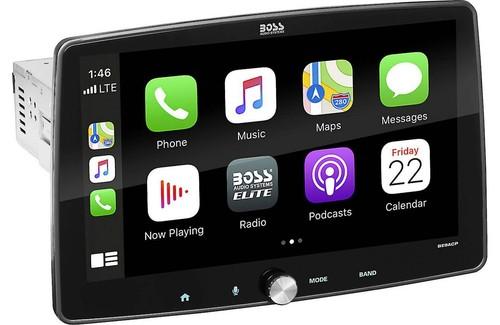
A good car audio system should make every journey more enjoyable without making everyday operation complicated. Drivers want music that sounds clear, controls that feel familiar, and useful features that support different entertainment needs. A well-designed receiver can bring these elements together while helping create a comfortable listening environment inside the vehicle.
Modern dashboard systems offer much more than basic radio playback. Bluetooth connectivity, smartphone integration, USB support, touchscreen controls, and flexible audio settings give drivers more ways to enjoy their favorite content. Choosing the right equipment means finding a balance between sound quality, practical features, vehicle compatibility, and ease of use.
Making Daily Driving More Enjoyable
A vehicle's entertainment system plays an important role in the overall driving experience. Whether someone listens to music during a short commute or enjoys longer road trips, convenient controls and dependable playback can make a noticeable difference.
An effective receiver should provide straightforward access to common functions. Drivers should be able to switch between music sources, adjust volume, and manage playback without navigating complicated menus. Clear screen layouts and accessible buttons also help make everyday operation more comfortable.
Sound quality deserves equal attention. A properly configured receiver can help deliver balanced playback, allowing vocals, instruments, and background details to remain distinguishable. The result is a listening experience that feels more organized and enjoyable across different music styles.
Choosing Features That Match Your Needs
When comparing different dashboard receivers, consider how you normally use your vehicle's entertainment system. Some drivers prioritize wireless connectivity, while others prefer physical controls, expanded media support, or compatibility with upgraded speakers.
A Boss automotive stereo system can be considered by drivers who want practical entertainment features combined with convenient access to everyday audio functions. The right configuration depends on the receiver model, supported connections, and the equipment already installed in the vehicle.
Several features are worth examining before making a decision:
-
Bluetooth connectivity: Allows compatible smartphones to connect for wireless audio playback and hands-free calling.
-
USB playback: Provides a convenient way to access supported music files and connect compatible devices.
-
Touchscreen controls: Make it easier to navigate menus, select sources, and manage available settings.
-
Radio reception: Gives drivers access to local stations and traditional broadcast entertainment.
-
Smartphone compatibility: Helps connect supported mobile devices for selected applications and media functions.
-
Audio adjustments: Offer control over available sound settings to help match personal listening preferences.
Not every receiver includes the same features. Reviewing the manufacturer's specifications helps prevent confusion and ensures the selected unit supports the functions you actually need.
Building a More Balanced Sound Environment
A receiver is only one part of the vehicle's audio setup. Speakers, amplifiers, subwoofers, wiring, and installation quality all contribute to the final result. Even a feature-rich dashboard unit may produce disappointing sound if the remaining components cannot perform effectively.
Start by evaluating the speakers. Factory speakers can become limited when drivers increase volume, particularly when the music contains demanding vocals or strong instrumentals. Upgrading to suitable aftermarket speakers may improve clarity and help reproduce a wider range of frequencies.
Amplifiers can provide additional power when the system requires more output than the receiver can comfortably deliver. However, amplifier selection should account for speaker impedance and RMS power ratings. Matching these specifications helps maintain reliable performance and reduces the risk of damaging equipment.
Subwoofers serve a different purpose by reproducing deeper bass frequencies. Drivers who enjoy electronic music, hip-hop, or bass-heavy recordings may appreciate the added low-frequency impact. A properly selected enclosure and suitable amplifier help produce controlled bass instead of unwanted rattling or distortion.
Understanding Connectivity Before Installation
Connectivity affects how conveniently a receiver fits into everyday routines. Before purchasing a replacement unit, identify which devices and media sources you expect to use most often.
Bluetooth is useful for wireless music streaming and compatible hands-free calling. USB connections may support audio playback, device charging, or other functions depending on the model. Some receivers also offer auxiliary inputs, camera connections, or additional outputs for external audio equipment.
Smartphone integration deserves particular attention. Check whether the receiver supports the applications and operating functions you want. Do not assume every touchscreen unit includes the same navigation, voice-control, or smartphone features.
It is also important to examine the receiver's physical dimensions and dashboard compatibility. Double-DIN and single-DIN designs have different installation requirements. Vehicle-specific mounting kits, wiring harnesses, and antenna adapters may be necessary to achieve a clean installation.
Getting the Most from Audio Settings
Once the receiver is installed, spend time adjusting its available sound controls. Factory settings may not suit every vehicle because cabin size, speaker placement, upholstery, and road noise influence how music sounds.
Begin with moderate volume levels and adjust the equalizer gradually. If vocals sound too distant, small midrange adjustments may help bring them forward. If high frequencies seem harsh, reducing excessive treble can create a smoother presentation.
Balance and fader controls are also useful. They help distribute sound between the left and right speakers and the front and rear of the cabin. Correct positioning can make music feel more consistent for the primary listening area.
Avoid increasing every frequency setting to its maximum level. Excessive equalizer adjustments can introduce distortion and make the system sound less natural. A balanced configuration usually provides better results across different recordings.
Installation Details That Should Not Be Overlooked
A successful installation involves more than fitting a receiver into the dashboard. Secure mounting, correct wiring, proper grounding, and compatible connections all influence long-term reliability.
Before installation, confirm the vehicle's wiring requirements and disconnect the battery when appropriate. Use a compatible harness whenever possible to avoid unnecessary modifications to factory wiring. Poor electrical connections can lead to intermittent operation, unwanted noise, or other performance problems.
Keep signal cables separated from power wiring where practical, particularly when installing external amplifiers. This can help reduce unwanted electrical interference. Check speaker polarity and connection security before completing the dashboard assembly.
Professional installation can be worthwhile when a vehicle has complex factory electronics, steering-wheel controls, backup cameras, or integrated infotainment features. An experienced installer can identify compatibility concerns and help preserve functions that might otherwise be lost.
Creating a Setup That Can Grow Over Time
Audio preferences often change as drivers discover new music, upgrade speakers, or add more equipment. Choosing a receiver with suitable outputs and supported connections can make future improvements easier.
For example, a driver may begin with a receiver and upgraded door speakers, then add an amplifier and subwoofer later. Planning the system around compatible components can reduce the need to replace equipment unnecessarily.
Consider your current needs alongside possible future upgrades. Look at the number of preamp outputs, supported audio adjustments, available inputs, and power requirements. These details can help determine whether a particular model will remain useful as the system develops.
A Practical Approach to Better In-Car Entertainment
An enjoyable vehicle audio setup comes from choosing compatible equipment and paying attention to the details that influence everyday use. Clear playback, accessible controls, dependable connectivity, and thoughtful installation all contribute to a better experience.
Rather than choosing a receiver based only on its screen size or advertised features, compare its specifications with your vehicle and listening habits. When the head unit works properly with the speakers, amplification, and other components, it becomes the foundation of a more satisfying entertainment system.
❤️ Support Friends Aim! View a sponsored ad to help cover our website costs. Thanks!
Support Us — Ad 1 Support Us — Ad 2- Arts, Culture & Design
- Automotive & Transport
- Accounting & Finance
- Advertising & Marketing
- Agriculture & Farming
- Business & Consulting
- Books & Publishing
- Building & Construction
- Beauty & Personal Care
- Baby, Kids & Parenting
- Charity & Social Causes
- Crafts & Handmade
- Careers & Jobs
- Computers & Laptops
- Consumer Electronics
- Entertainment & Events
- Food & Beverages
- Delivery & Logistics
- Digital Media & Content
- Dating & Relationships
- E-Commerce & Retail
- Education & Learning
- Energy & Environment
- Fitness
- Fashion & Apparel
- Gaming & Toys
- Government & Legal
- Gardening
- Health & Medical Care
- Home Decor & Furniture
- IT & Software
- Industrial & Tools
- Import & Export
- Jewelry & Watches
- Lifestyle & Wellness
- Legal Services & Law
- News & Media
- News & Current Affairs
- Religion & Faith
- Sports
- Technology
- Travel & Tourism
- Weddings & Events
- Other

 Arabic
 French
 Spanish
 Portuguese
 Deutsch
 Turkish
 Dutch
 Italiano
 Russian
 Romaian
 Portuguese (Brazil)
 Greek