


Roof Waterproofing: Durable PVC Geomembrane Protection for Modern Buildings
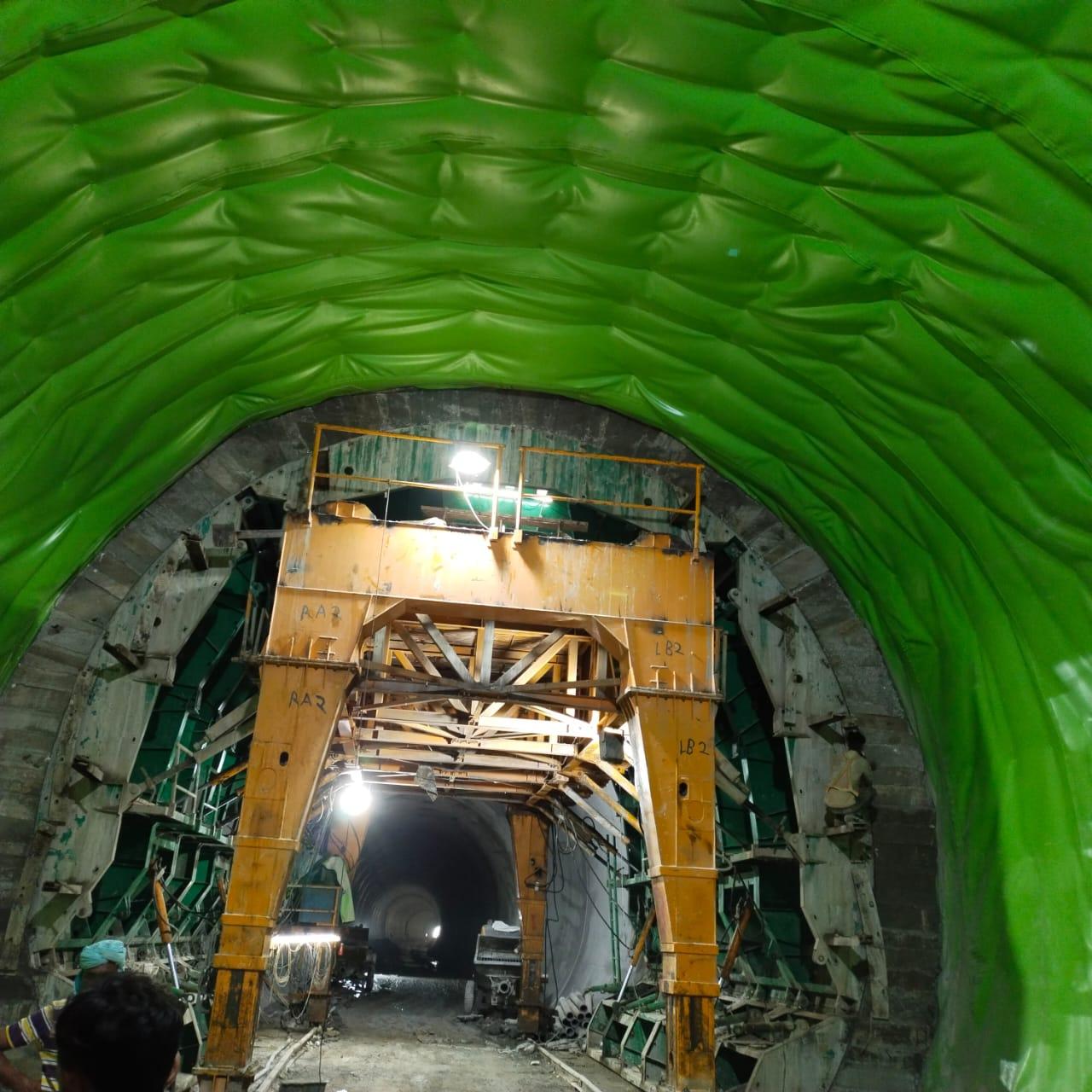
A roof is one of the most exposed parts of any building. Throughout its service life, it faces rainfall, sunlight, temperature fluctuations, moisture, dust, wind, and repeated wetting and drying cycles. When the waterproofing system becomes weak or is incorrectly installed, water can gradually penetrate the roof structure and create damp patches, leakage, damaged finishes, and costly maintenance problems.
This is why Roof Waterproofing should be considered an important part of building design and long-term asset protection. A properly selected waterproofing system creates a continuous barrier that helps prevent water from reaching the underlying structure.
PVC geomembrane is one membrane-based solution used for suitable roof and terrace applications. Indian Standard IS 15909:2020 specifically covers PVC geomembranes for lining and includes applications such as waterproofing of roofs and terraces.
What Is Roof Waterproofing?
Roof Waterproofing involves protecting a roof or terrace from water penetration through an engineered waterproofing system.
The system may include a waterproof membrane, substrate preparation, drainage arrangements, protection layers, joint treatment, edge detailing, and carefully treated penetrations. The objective is to maintain a continuous barrier even at locations where the roof changes direction or contains service installations.
Waterproofing should ideally be planned during the design stage. Retrofitting a waterproofing system after repeated leakage can be more complicated because the existing substrate may already have moisture-related deterioration or damaged finishes.
Why Roofs Need Reliable Waterproofing
Rainwater can find its way through very small defects. Cracks, construction joints, pipe penetrations, drainage outlets, parapet interfaces, and poorly treated corners can become pathways for water.
Once moisture reaches the underlying construction, it may affect internal ceilings, insulation, finishes, electrical installations, and other building components. In reinforced concrete structures, persistent moisture exposure can also contribute to conditions associated with reinforcement corrosion.
A suitable waterproofing geomembrane can create an impermeable layer that separates the protected structure from external water exposure.
PVC Geomembrane for Roof Applications
A PVC geomembrane is a flexible polymeric membrane that can provide an impermeable barrier in appropriate waterproofing applications.
Dr. Millars lists building roofs among the applications of its PVC geomembrane products, along with foundations, basements, tunnels, underpasses, reservoirs, water bodies, canals, roads, and dams.
The suitability of the membrane depends on the roof construction, exposure conditions, membrane specification, installation arrangement, and project requirements.
For this reason, the membrane should be selected as part of a complete waterproofing system rather than viewed as a standalone sheet.
Roof and Terrace Waterproofing
Terraces are exposed to considerable environmental stress. In addition to rainfall, they may experience direct sunlight, temperature changes, maintenance activity, equipment loads, and repeated movement.
A properly designed roof waterproofing system needs to account for these conditions.
IS 15909:2020 includes PVC geomembranes for roof and terrace waterproofing applications and distinguishes between exposed and unexposed applications.
The membrane arrangement should therefore be determined according to whether the waterproofing layer will remain exposed or receive additional protective construction layers.
Preparing the Roof Surface
Good waterproofing begins with a suitable substrate.
Before installing a PVC geomembrane sheet, the roof should be examined for loose materials, sharp projections, significant surface irregularities, cracks, standing water, damaged areas, and other conditions that could affect the membrane.
Sharp objects are particularly important because they can create concentrated stresses and puncture risks. Depending on the project, a geotextile or other protection layer may be incorporated between the substrate and membrane.
Surface preparation should follow the approved construction methodology and membrane manufacturer's requirements.
Waterproofing Around Roof Penetrations
Modern roofs often contain numerous penetrations for drainage pipes, ventilation systems, electrical services, HVAC equipment, supports, and other installations.
These locations require careful waterproofing because the membrane is interrupted or changes direction around them.
A high-quality PVC geomembrane installation should include appropriate detailing for pipes, outlets, corners, parapets, joints, and other interfaces. The precise detail depends on the building design and waterproofing system.
Flat open areas are generally easier to waterproof than complex transition zones, which makes detailing a critical part of the overall system.
Drainage and Roof Waterproofing
Waterproofing and drainage should be considered together.
Even an impermeable membrane can be placed under unnecessary stress if water remains ponded on the roof for extended periods. Roof falls, drainage outlets, channels, scuppers, and other drainage features should therefore be coordinated with the waterproofing design.
Before installation, project teams should review whether the existing roof provides suitable drainage and whether outlets are correctly positioned and accessible for maintenance.
Effective water management helps reduce unnecessary exposure of the roof system to standing water.
Membrane Seaming and Continuity
Large roofs may require multiple membrane sheets. These sheets must be appropriately joined to form a continuous waterproofing layer.
The seam is therefore an important part of membrane installation. Improperly prepared or inadequately joined seams can become potential leakage pathways.
Installation should be performed using the specified joining method, with particular attention to seam areas, corners, penetrations, terminations, and transitions.
Dr. Millars states that it provides turnkey supply and installation of PVC geomembrane systems for suitable projects.
Selecting the Appropriate Membrane Thickness
Membrane thickness should be selected according to the requirements of the project rather than simply choosing a commonly advertised thickness.
Factors that can influence selection include whether the membrane is exposed, the condition of the substrate, anticipated mechanical loading, protection layers, roof access, construction activity, environmental exposure, and applicable specifications.
Dr. Millars currently states that its PVC geomembranes are normally available in 1.5 mm and 2.00 mm thicknesses and can provide tailor-made specifications for large infrastructure requirements.
These thicknesses should not be assumed to be suitable for every roof. The final specification should be determined from the actual project requirements.
Geotextile Protection for Roof Membranes
A geotextile can sometimes be incorporated into a membrane waterproofing system as a cushioning or protective layer.
This can be useful where the substrate or subsequent construction could expose the membrane to mechanical damage. The appropriate geotextile specification depends on the required protection level and site conditions.
Dr. Millars states that geotextiles for tailor-made requirements can be produced through OEM manufacturers for its projects, while installation accessories are sourced from reputed and approved suppliers with test certificates.
The use of a geotextile should therefore be determined as part of the complete roof waterproofing design.
Waterproofing for Industrial and Commercial Roofs
Industrial and commercial buildings can present additional waterproofing challenges because their roofs may contain mechanical equipment, service lines, ventilation systems, access routes, and maintenance areas.
A membrane system for such structures should account for the anticipated use of the roof. Areas exposed to regular maintenance traffic may require additional protection to prevent mechanical damage to the waterproofing layer.
For large facilities, waterproofing should also be coordinated with other building services before construction begins.
Roof Waterproofing for New Construction
New construction provides an opportunity to integrate waterproofing into the building design from the beginning.
Architects and engineers can coordinate roof slopes, drainage outlets, parapet details, expansion joints, service penetrations, membrane terminations, and protection layers before installation.
This approach can reduce conflicts between waterproofing and other construction activities and makes it easier to establish a clear installation sequence.
For large infrastructure projects, Dr. Millars states that it can provide tailor-made PVC membrane specifications.
Roof Waterproofing for Existing Buildings
Existing buildings can require waterproofing because of aging membranes, cracks, drainage problems, renovation work, or changes in roof use.
Before selecting a replacement system, the existing roof should be inspected to determine the condition of the substrate and existing waterproofing layers.
Simply installing a new membrane over an unsuitable surface may not resolve underlying drainage or structural problems. A proper assessment should identify the cause of leakage and establish whether repairs, substrate preparation, drainage improvements, or removal of existing materials are necessary.
Quality Requirements for PVC Roof Membranes
A roof membrane should be evaluated based on measurable performance characteristics rather than appearance alone.
IS 15909:2020 addresses characteristics including thickness, specific gravity, tensile strength, elongation, tear resistance, puncture resistance, hydrostatic pressure resistance, dimensional stability, chemical resistance, and flammability resistance for PVC geomembranes.
Where a project specification requires BIS certification or a Standard Mark, procurement teams should verify the manufacturer's current licence, product scope, and applicable documentation. Compliance with a standard and possession of a particular certification should not automatically be treated as the same claim.
Why Professional Installation Matters
Waterproofing performance depends heavily on installation quality.
Even a technically suitable waterproofing geomembrane can perform poorly if the substrate is inadequately prepared or if seams, corners, penetrations, drainage outlets, and terminations are not correctly detailed.
Professional installation helps maintain membrane continuity and allows quality checks to be incorporated into the construction process.
For major projects, material test certificates, installation records, seam inspection, and other quality documentation can also support project-level quality assurance.
Dr. Millars for Roof Waterproofing
D L MILLAR AND COMPANY LIMITED operates under the Dr. Millars brand and has been established since 1929.
The company supplies PVC geomembrane solutions for waterproofing applications involving building roofs, foundations, basements, tunnels, underpasses, reservoirs, water bodies, canals, roads, dams, and other structures.
Dr. Millars states that its PVC geomembranes are produced in India, with normal thicknesses of 1.5 mm and 2.00 mm. The company also offers turnkey supply and installation and can provide tailor-made membrane specifications for large infrastructure projects.
This makes project-specific discussion important when selecting a membrane for a commercial, industrial, institutional, or infrastructure roof.
Frequently Asked Questions About Roof Waterproofing
What is the purpose of roof waterproofing?
The primary purpose of roof waterproofing is to create a barrier that prevents rainwater and other moisture from entering the protected building structure.
Can PVC geomembrane be used for roof waterproofing?
Yes. PVC geomembranes are recognized for suitable roof and terrace waterproofing applications under IS 15909:2020. The membrane type and installation arrangement should be selected according to the project requirements.
Is PVC geomembrane suitable for terrace waterproofing?
PVC geomembrane can be used for suitable terrace applications. The project should determine whether the membrane will be exposed or protected and what additional layers are required.
What thickness of PVC geomembrane is used for roofs?
There is no single thickness suitable for every roof. Dr. Millars currently publishes normal PVC geomembrane thicknesses of 1.5 mm and 2.00 mm. The appropriate specification should be determined according to the project requirements.
Can waterproofing be installed on an existing roof?
Yes, depending on the roof's condition and construction. Existing surfaces should first be inspected for drainage problems, cracks, loose materials, damaged layers, and other conditions that may affect the new waterproofing system.
Contact Dr. Millars for Roof Waterproofing
For commercial buildings, industrial facilities, terraces, infrastructure structures, basements, and other projects requiring engineered waterproofing solutions, contact Dr. Millars to discuss the application and membrane requirements.
D L MILLAR AND COMPANY LIMITED
Flat No. 303, 3rd Floor, Elite House-36, Community Center, Zamroodpur, New Delhi-110048, India
Phone: +91 8700518400
Email: dlmillars@gmail.com
Website:https://drmillars.co.in/tunnel-waterproofing.php
Conclusion
A reliable Roof Waterproofing system protects one of the most exposed components of a building from persistent moisture and rainfall. PVC geomembrane provides an impermeable membrane solution for suitable roof and terrace applications, while correct substrate preparation, drainage, joint detailing, protection, and professional installation are essential to achieving dependable performance.
For larger commercial, industrial, and infrastructure projects, waterproofing should be specified according to the building design and actual environmental conditions. Dr. Millars provides PVC geomembrane solutions, tailor-made specifications, and turnkey supply and installation for suitable projects.

 English
 Arabic
 French
 Spanish
 Deutsch
 Turkish
 Dutch
Dutch
 Italiano
 Russian
 Romaian
 Portuguese (Brazil)
 Greek
Greek