

 About
 Terms
 Privacy
How Eyelid Surgery Can Help Create a Less Heavy Upper Eyelid Appearance
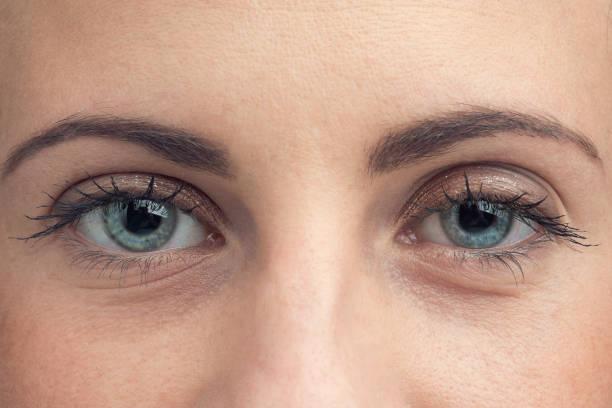
A heavy upper eyelid appearance can make the eyes look tired, less defined, or older than the rest of the face. This concern often develops when excess skin gradually gathers above the natural eyelid crease, although changes in brow position and eyelid muscle function may also contribute. For individuals who want to address these changes, Eyelid surgery in Riyadh (جراحة رأب الجفن في الرياض) may offer an option for refining the upper eyelid contour while preserving natural facial features. The appropriate approach depends on the underlying cause of the heaviness and the individual's eye anatomy.
Upper eyelid heaviness does not always result from loose skin alone. Some people naturally have fuller upper eyelids, while others experience changes as skin elasticity decreases with age. A lowered brow or drooping upper eyelid margin can create a similar appearance but may require a different treatment. Understanding these differences helps determine whether Eyelid surgery in Riyadh is suitable and what improvement can realistically be expected.
Understanding Why Upper Eyelids Look Heavy
The upper eyelids contain delicate skin, muscles, connective tissues, and fat compartments that work together to support normal eye movement and appearance. With time, the skin may become less firm and begin to gather around the eyelid crease. This can reduce the visible space between the eyelashes and eyebrow, creating a hooded appearance.
Genetics also influence upper eyelid shape. Some individuals naturally have deeper folds or fuller eyelids without experiencing age-related changes. In other cases, the heaviness develops gradually and becomes more noticeable in photographs or during everyday activities. Identifying whether the concern is natural anatomy or a change in tissue structure is an important part of treatment planning.
How Upper Blepharoplasty Addresses Excess Skin
Upper blepharoplasty is a surgical procedure designed to address excess skin around the upper eyelids. The surgeon generally makes an incision within the natural eyelid crease, allowing selected skin to be removed while placing the resulting scar in a relatively concealed location. Depending on the patient's anatomy, adjustments to underlying tissue may also be considered.
The amount of skin removed must be carefully planned. Removing too much can create an overly tight appearance or interfere with comfortable eyelid closure. The objective is to reduce the excess tissue that contributes to heaviness while maintaining enough skin for normal blinking and eye protection. A conservative approach helps preserve the natural character of the eyes.
Distinguishing Excess Skin From Brow Descent
A low eyebrow position can make the upper eyelids appear heavy even when there is not a significant amount of excess eyelid skin. When the brow descends, the tissue above the eyelid may move downward and create additional fullness. In these cases, upper eyelid surgery alone may not fully address the concern.
A surgeon evaluates brow height, forehead movement, eyelid folds, and skin distribution to identify the source of the heaviness. Some patients may be suitable for eyelid surgery, while others may benefit from a separate assessment of brow position. Choosing treatment based on the actual cause helps avoid unnecessary skin removal.
Understanding the Difference Between Heavy Eyelids and Ptosis
Eyelid ptosis occurs when the upper eyelid margin sits lower than its usual position because of changes involving the eyelid-lifting mechanism. It can make the eye opening appear smaller and may affect one or both eyes. Although ptosis can look similar to excess skin, it is a different anatomical condition.
Upper blepharoplasty primarily addresses excess skin, whereas ptosis surgery focuses on the muscles or supporting structures responsible for lifting the eyelid. Some individuals have both conditions and may require a combined treatment plan. A proper examination of eyelid height, movement, and function helps determine the appropriate procedure.
Who May Consider Upper Eyelid Surgery?
Adults who are concerned about excess upper eyelid skin or a heavy appearance may consider a professional consultation. Suitable candidates should have realistic expectations and be in appropriate general health for surgery. Skin quality, eye function, medical history, and the cause of the heaviness all influence treatment suitability.
People with dry eyes, previous eye surgery, thyroid-related eye conditions, or difficulty closing their eyelids should discuss these issues with their surgeon. If excess skin interferes with the upper field of vision, a functional assessment may also be appropriate. The consultation helps distinguish cosmetic concerns from issues that may affect everyday activities.
Recovery and Expected Results
After upper eyelid surgery, temporary swelling, bruising, tightness, and mild discomfort are common. These effects generally improve as healing progresses, although recovery varies between individuals. Patients should follow their surgeon's instructions about wound care, medication, activity restrictions, and follow-up visits.
As swelling settles, the upper eyelid crease and surrounding contour become easier to assess. The goal is a lighter-looking appearance that remains consistent with the patient's natural features. Eyelid surgery in Riyadh may provide lasting improvement in excess skin, but it does not stop future aging or address every cause of upper eyelid heaviness. Potential risks include infection, bleeding, scarring, asymmetry, dry eyes, difficulty closing the eyes, and changes in vision.
Book Your Appointment at Royal Clinic Saudi
If heavy upper eyelids are affecting your preferred appearance or making everyday activities less comfortable, a professional assessment can help identify the cause. Royal Clinic Saudi (العيادة الملكية السعودية) provides an opportunity to discuss your concerns, understand suitable surgical options, and review realistic expectations. An individualized treatment plan can help prioritize natural-looking results and proper eyelid function.
FAQs:
Can eyelid surgery make heavy upper eyelids look lighter?
Yes. It may reduce excess skin that contributes to a heavy or hooded appearance.
Does upper eyelid surgery correct drooping eyebrows?
Not directly. Brow descent may require a separate assessment and treatment approach.
Is eyelid ptosis the same as excess upper eyelid skin?
No. Ptosis involves the eyelid-lifting mechanism, while excess skin affects the tissue above the eyelid crease.
How long do results from upper eyelid surgery last?
Results can be long-lasting, although natural aging continues over time.
❤️ Support Friends Aim! View a sponsored ad to help cover our website costs. Thanks!
Support Us — Ad 1 Support Us — Ad 2- Arts, Culture & Design
- Automotive & Transport
- Accounting & Finance
- Advertising & Marketing
- Agriculture & Farming
- Business & Consulting
- Books & Publishing
- Building & Construction
- Beauty & Personal Care
- Baby, Kids & Parenting
- Charity & Social Causes
- Crafts & Handmade
- Careers & Jobs
- Computers & Laptops
- Consumer Electronics
- Entertainment & Events
- Food & Beverages
- Delivery & Logistics
- Digital Media & Content
- Dating & Relationships
- E-Commerce & Retail
- Education & Learning
- Energy & Environment
- Fitness
- Fashion & Apparel
- Gaming & Toys
- Government & Legal
- Gardening
- Health & Medical Care
- Home Decor & Furniture
- IT & Software
- Industrial & Tools
- Import & Export
- Jewelry & Watches
- Lifestyle & Wellness
- Legal Services & Law
- News & Media
- News & Current Affairs
- Religion & Faith
- Sports
- Technology
- Travel & Tourism
- Weddings & Events
- Other

 Arabic
 French
 Spanish
 Portuguese
 Deutsch
 Turkish
 Dutch
 Italiano
 Russian
 Romaian
 Portuguese (Brazil)
 Greek