


What Is Fiberglass Made Out Of? Complete Material Guide
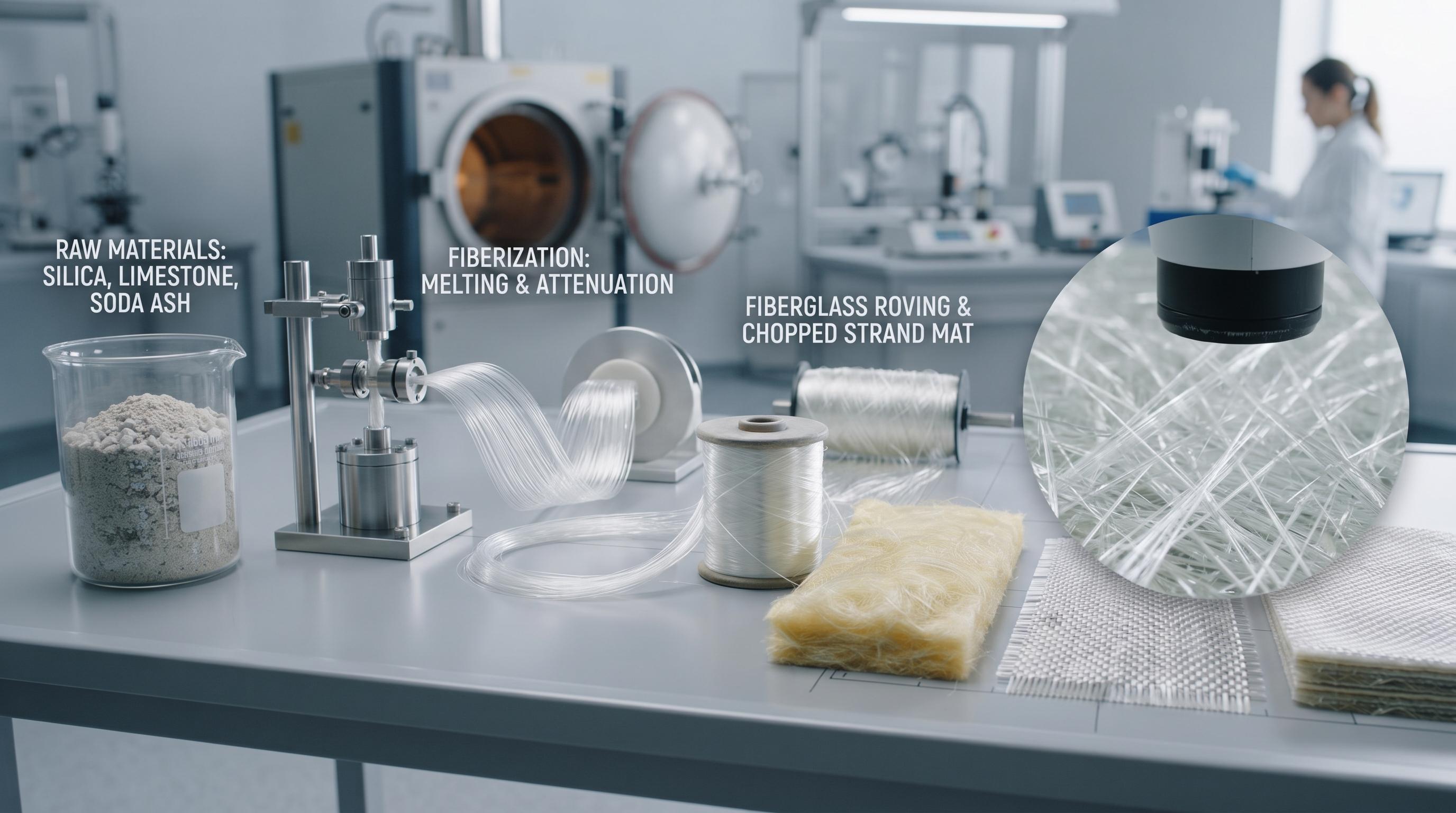
If you have ever wondered what is fiber glass made out of, the simple answer is that fiberglass is primarily made from extremely fine glass fibers that are produced from silica-based glass and other mineral ingredients. Depending on the type of fiberglass, the glass composition can include silica along with compounds containing calcium, aluminum, boron, magnesium, sodium, and other elements. When fiberglass is used as a finished composite material, these glass fibers are commonly combined with a polymer resin that holds the fibers together. This combination creates a material that is strong, relatively lightweight, durable, and useful across construction, transportation, manufacturing, insulation, marine products, and many other industries.
What Is Fiberglass?
Fiberglass is a material made from very fine strands of glass that are arranged into fibers, mats, fabrics, or other forms depending on the intended application. In everyday use, the word fiberglass can describe the glass fibers themselves or a finished composite made by combining glass fibers with a plastic resin. The glass fibers provide much of the strength and stiffness, while the resin can hold the fibers in place and help form the final shape. Because of this structure, fiberglass is often described as a glass-fiber-reinforced polymer or glass-reinforced plastic when referring specifically to the composite material.
What Is Fiberglass Made Out Of?
Fiberglass is mainly made from silica-based glass, but it is not normally made from pure silica alone. Manufacturers combine silica with selected mineral compounds to create a glass composition with properties appropriate for fiber production and the intended end use. Common ingredients can include silicon dioxide, calcium oxide, aluminum oxide, boron oxide, magnesium oxide, and smaller quantities of other oxides. The exact formulation varies according to the type of glass fiber being produced. These ingredients are melted together and transformed into extremely fine filaments that become the basic reinforcing material used in fiberglass products.
Silica Is the Main Ingredient
Silica, also known as silicon dioxide, is the most important basic ingredient in most glass fibers. It is commonly obtained from silica-rich materials such as sand and provides the fundamental glass structure from which the fibers are formed. Silica contributes to the chemical and physical properties that make glass suitable for fiber production. However, manufacturers normally combine silica with other mineral ingredients because modifying the glass composition can improve properties such as durability, strength, chemical resistance, processing behavior, and thermal performance. This is why fiberglass should be understood as a carefully formulated glass material rather than simply a bundle of pure silica fibers.
Why Other Minerals Are Added to Fiberglass
Other minerals and metal oxides are added to glass formulations because they change how the glass behaves during manufacturing and how the finished fibers perform. Aluminum compounds can contribute to the structure and durability of glass, while calcium and magnesium compounds can modify important physical characteristics. Boron-containing compounds can also be used in particular glass formulations to influence processing and performance. Sodium and potassium compounds may act as modifiers within certain glass compositions. By adjusting these ingredients, manufacturers can produce different types of glass fibers for electrical, mechanical, chemical, thermal, or specialized applications.
What Role Does Resin Play in Fiberglass?
When people talk about fiberglass as a finished composite product, resin is often an important part of the material. Glass fibers provide reinforcement, while the resin surrounds and binds the fibers together. Common resin systems used with glass fibers include polyester, vinyl ester, and epoxy formulations. The choice of resin depends on the intended application and the properties required from the finished product. The combination of glass fibers and resin can create a strong composite that is easier to shape than many traditional structural materials while offering useful resistance to moisture, corrosion, and environmental conditions.
How Are Glass Fibers Made?
Glass fibers are produced by first preparing a suitable glass mixture and melting the raw materials at very high temperatures. Once the glass becomes molten, it can be drawn through specially designed openings to create extremely fine continuous filaments. These filaments can then be gathered, coated, woven, chopped, or arranged into different forms depending on the desired product. The fiber-forming process is important because the resulting fine strands provide the reinforcement that gives fiberglass composites much of their strength and stiffness. Different manufacturing methods can be used for different glass-fiber products, including continuous filaments and insulation fibers.
How Does Fiberglass Become a Strong Material?
Fiberglass becomes strong because its fine glass fibers can carry significant mechanical loads when they are arranged correctly and supported by a surrounding matrix. In a composite product, the resin helps hold the fibers together and transfers forces between them. The orientation of the fibers also matters because aligned fibers can provide strong reinforcement in particular directions. Woven fabrics, mats, chopped fibers, and continuous strands can therefore produce different performance characteristics. The final strength and durability of a fiberglass product depend not only on the glass itself but also on fiber arrangement, resin selection, manufacturing quality, and the conditions in which the material is used.
Common Types of Glass Used in Fiberglass
Different glass formulations can be used to produce fibers for different purposes. E-glass is widely used for general reinforcement because it provides a useful combination of strength, electrical insulation, chemical durability, and processing characteristics. Other glass types are formulated for applications that require properties such as greater chemical resistance, higher mechanical performance, or specialized electrical behavior. The composition of each glass type can differ because the balance of silica, alumina, calcium oxide, boron oxide, magnesium oxide, and other ingredients affects the resulting characteristics.
What Makes Fiberglass Lightweight?
Fiberglass can provide a useful combination of strength and relatively low weight because the reinforcing glass is formed into extremely fine fibers rather than being used as a solid mass of glass. When these fibers are combined with a suitable resin matrix, manufacturers can create structures that have substantial mechanical performance without requiring the same mass as some conventional materials. The ability to arrange fibers in specific directions also allows manufacturers to place reinforcement where it is most useful. This makes fiberglass attractive for applications where reducing weight while maintaining structural performance is important.
Properties of Fiberglass
Fiberglass is valued for its combination of mechanical, thermal, electrical, and chemical properties. Glass fibers can provide good tensile strength and dimensional stability, while suitable glass formulations can offer resistance to heat and chemical attack. Fiberglass composites can also provide useful electrical insulation and resistance to moisture and corrosion depending on their construction. These properties are influenced by the glass formulation, fiber arrangement, resin system, surface treatment, and manufacturing process. As a result, fiberglass products can be designed for very different environments and performance requirements.
Where Is Fiberglass Used?
Fiberglass is used in a wide variety of industries because its properties can be adapted to different applications. It is commonly found in construction materials, insulation products, boats, vehicles, pipes, tanks, panels, sporting equipment, electrical components, and industrial structures. Glass-fiber-reinforced composites are particularly useful where manufacturers need a material that combines strength, durability, corrosion resistance, and manageable weight. The glass fibers can also be formed into fabrics, mats, or other reinforcement structures, allowing manufacturers to create products with different shapes and performance characteristics.
Fiberglass in Construction
Construction is one of the major areas where fiberglass materials are used. Fiberglass can be incorporated into panels, roofing materials, insulation, reinforcement products, pipes, tanks, and other building components. Its resistance to corrosion can be valuable in environments where traditional metals may be exposed to moisture or aggressive substances. Fiberglass reinforcement can also be combined with polymer materials to create structural components that are relatively lightweight and durable. The exact formulation and construction of the fiberglass product depend on the building application and the environmental conditions involved.
Fiberglass in Transportation
Fiberglass composites are also used in transportation because they can provide useful strength without adding excessive weight. Boats, vehicle components, recreational equipment, and other transportation products may use glass-fiber-reinforced polymers. In marine applications, fiberglass is particularly useful because suitable resin systems and composite structures can provide good resistance to moisture and corrosion. Manufacturers can also mold fiberglass composites into complex shapes, which provides flexibility when designing components for transportation and recreational products.
Fiberglass for Insulation
Fiberglass is widely associated with insulation because fine glass fibers can be arranged into materials that help reduce heat transfer and absorb sound. Fiberglass insulation is produced differently from some structural fiberglass composites, and the final product may contain primarily glass fibers rather than a conventional structural resin matrix. The glass fibers are processed into forms suitable for building insulation and other thermal or acoustic applications. This makes fiberglass useful not only as a reinforcement material but also as a functional insulation material.
Is Fiberglass Made From Natural Materials?
Many of the raw ingredients used to produce glass fibers originate from naturally occurring minerals. Silica-rich materials, limestone, and other mineral sources can be processed and combined to produce the glass composition required for fiber manufacturing. However, the final fiberglass material is manufactured through industrial processes that melt, form, and sometimes chemically treat the glass. When fiberglass is used as a composite, polymer resin and other processing materials can also become part of the finished product. Therefore, fiberglass can contain mineral-derived ingredients while still being a highly engineered manufactured material.
Is Fiberglass the Same as Glass Fiber?
The terms fiberglass and glass fiber are closely related and are often used interchangeably, but there can be a technical distinction depending on the context. Glass fiber generally refers specifically to the fine glass filaments themselves, while fiberglass can also refer to a finished composite in which glass fibers are combined with a polymer resin. In everyday language, however, both terms are commonly used to describe materials based on fine glass fibers. Understanding the context helps clarify whether someone is talking about the raw reinforcing fibers or the completed composite product.
Why Is Fiberglass So Durable?
Fiberglass can be durable because its glass fibers have useful resistance to many environmental factors, while the surrounding resin can protect and hold the fibers in place. Properly designed fiberglass composites can resist moisture, corrosion, vibration, and various forms of mechanical stress. Their durability depends heavily on the specific glass formulation, resin, fiber arrangement, surface treatment, manufacturing quality, and operating environment. A fiberglass product designed for indoor use may therefore have different characteristics from a specialized composite intended for marine, chemical, or industrial conditions.
Is Fiberglass Safe to Handle?
Fiberglass products should be handled carefully because loose or broken glass fibers can cause temporary mechanical irritation to the skin, eyes, or respiratory system. The level of concern depends on the type of fiberglass product and the way it is being handled. Cutting, sanding, drilling, or disturbing fiberglass materials can release small fibers or particles into the surrounding area. Appropriate protective practices, including suitable clothing, eye protection, and respiratory protection when required by the work environment, can help reduce exposure. Safety instructions supplied with a specific fiberglass product should always be followed.
How Should Fiberglass Be Chosen?
Choosing fiberglass depends on the intended application and the properties required from the final material. Users should consider whether they need insulation, structural reinforcement, electrical performance, chemical resistance, heat resistance, flexibility, or another specific characteristic. The type of glass fiber, resin system, fiber arrangement, surface treatment, and manufacturing method can all influence the final performance. Understanding these factors helps users select a fiberglass material that is appropriate for the environment rather than assuming that every fiberglass product has identical properties.
Frequently Asked Questions About What Fiberglass Is Made Out Of
What is fiberglass made out of?
Fiberglass is primarily made from fine glass fibers produced from silica-based glass and other mineral compounds. Depending on the formulation, the glass can contain compounds involving calcium, aluminum, boron, magnesium, sodium, and other elements. Finished fiberglass composites may also contain a polymer resin that binds the fibers together.
Is fiberglass made from sand?
Silica-rich sand can be an important raw material for producing the glass used in fiberglass. Silica provides the basic glass-forming material, but manufacturers normally combine it with other ingredients to create a glass composition suitable for fiber production and the intended application.
Does fiberglass contain plastic?
Fiberglass itself refers to glass fibers, so those fibers are not plastic. However, fiberglass composites commonly combine glass fibers with a polymer resin, meaning the finished composite contains both glass reinforcement and a plastic-based matrix.
What is the main ingredient in fiberglass?
Silica, or silicon dioxide, is the primary ingredient in most glass fibers. Other mineral oxides are added to modify the glass properties and make it suitable for different manufacturing processes and applications.
Why is resin added to fiberglass?
Resin is added to glass fibers when producing a fiberglass composite because it surrounds and binds the fibers together. It helps form the finished structure and allows the reinforcing fibers to work as part of a unified material. Different resin systems can provide different levels of chemical resistance, durability, flexibility, and environmental performance.
Is all fiberglass made with the same materials?
No. Fiberglass compositions can vary depending on the type of glass fiber and its intended purpose. Different formulations can adjust properties such as strength, chemical resistance, electrical behavior, thermal performance, and processing characteristics.
Why is fiberglass used instead of ordinary glass?
Fiberglass uses extremely fine glass fibers rather than a solid glass structure. These fibers can provide reinforcement when arranged and combined appropriately, making them useful for composite materials. This allows manufacturers to create lightweight and strong products with properties that differ significantly from ordinary solid glass.
Is fiberglass environmentally resistant?
Many fiberglass products provide useful resistance to moisture, corrosion, chemicals, and environmental exposure, but performance depends on the specific glass and resin system. A product designed for a particular environment should be selected according to its technical properties and intended use.
Conclusion
Understanding what is fiber glass made out of starts with recognizing that fiberglass is based on extremely fine glass fibers produced from silica and carefully selected mineral ingredients. The glass composition can include compounds containing calcium, aluminum, boron, magnesium, sodium, and other elements, with the exact formulation changing according to the type and purpose of the fiber. When glass fibers are combined with a polymer resin, they can form a strong and versatile composite material used in construction, transportation, marine products, insulation, electrical components, and industrial applications. The combination of carefully formulated glass, fine fiber structure, and suitable reinforcement systems gives fiberglass its useful balance of strength, durability, corrosion resistance, and relatively low weight.

 Arabic
 French
 Spanish
 Portuguese
 Deutsch
 Turkish
 Dutch
Dutch
 Italiano
 Russian
 Romaian
 Portuguese (Brazil)
 Greek
Greek