


 About
 Terms
 Privacy
When Should You Call a 24/7 Water Extraction Company in Cypress, TX?
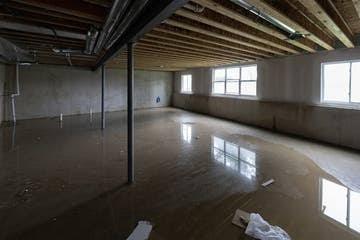
24/7 Water Extraction in Cypress, TX, is important when unexpected flooding, plumbing leaks, appliance failures, or severe weather leave standing water inside a residential or commercial property. Water can spread quickly through floors, walls, carpets, and other building materials, creating damage that becomes more difficult to address when cleanup is delayed. Taking prompt action helps limit property damage, reduce moisture exposure, and support a more effective restoration process.
Water emergencies can happen at any time, including overnight, during weekends, and on holidays. A leaking water heater, burst pipe, overflowing washing machine, or flooded lower level can introduce significant amounts of water into a building. Professional water extraction focuses on removing accumulated water and identifying moisture that may remain hidden beneath surfaces.
Property owners can benefit from understanding how emergency extraction works, when professional assistance is necessary, and what steps should follow water removal. This guide explains the extraction process, residential and commercial services, flood cleanup considerations, and practical ways to prevent future water damage.
What Is 24/7 Water Extraction and Why Is It Important?
Water extraction is the process of removing standing and accumulated water from an affected property using appropriate pumps, extraction equipment, and moisture-control techniques. The goal is to remove excess water before it causes additional deterioration to building materials and belongings.
Water does not always remain in visible areas. It can travel beneath flooring, enter drywall, collect inside wall cavities, and soak insulation. Even after the surface appears dry, hidden moisture may remain.
Professional extraction helps address these problems through several steps:
- Identifying the source and affected areas.
- Removing standing water with suitable equipment.
- Extracting moisture from carpets and other materials where appropriate.
- Checking affected surfaces for remaining moisture.
- Supporting structural drying and dehumidification.
- Evaluating whether damaged materials require removal.
Why Does Immediate Water Extraction Matter?
Delaying water removal can increase the possibility of material deterioration, unpleasant odors, and microbial growth. Wooden flooring may swell, drywall can weaken, and carpets may retain moisture.
Prompt extraction helps reduce the amount of time materials remain wet. It also allows restoration professionals to assess the damage sooner and determine the appropriate next steps.
What Situations Require Professional Water Extraction Services in Cypress, TX?
Not every water incident requires the same response. A small, contained spill may be manageable with basic cleanup, while extensive flooding or contaminated water generally requires professional assessment.
Professional Water Extraction Services Cypress TX, may be appropriate in several situations.
1. Burst or Leaking Water Pipes
A damaged plumbing line can release water continuously until the supply is shut off. Water may spread behind walls, underneath cabinets, and across flooring.
Professional extraction can remove accumulated water while moisture inspections help identify affected building materials.
2. Flooded Rooms and Indoor Water Accumulation
Heavy rainfall, drainage problems, and plumbing failures can introduce water into garages, living areas, storage rooms, and lower-level spaces.
Standing water should be assessed carefully, particularly when electrical equipment, contaminated water, or structural damage is involved.
3. Appliance and Water Heater Leaks
Washing machines, dishwashers, refrigerators, and water heaters can develop leaks that affect nearby flooring and cabinetry.
Even a relatively small leak can cause problems when water remains trapped beneath appliances or inside surrounding materials.
4. Roof and Ceiling Water Intrusion
Roof leaks and damaged exterior components can allow rainwater to enter ceilings, attics, and interior walls.
Water extraction and moisture assessment can help determine how far the water has traveled and which materials need attention.
How Does the 24-Hour Water Damage Restoration Process Work?
Water extraction is often one part of a broader restoration process. When flooding affects multiple areas, removing visible water alone may not be enough to restore the property.
24-Hour Water Damage Restoration Cypress TX, involves evaluating the incident, controlling the water source, removing accumulated water, and addressing remaining moisture.
Step 1: Initial Property Assessment
The restoration process begins with an inspection of the affected areas. Professionals evaluate the visible damage, possible water sources, affected materials, and potential safety concerns.
They may also use moisture detection equipment to identify damp areas that cannot be seen from the surface.
Step 2: Water Source Identification
Before extraction begins, the source of water should be identified and controlled whenever possible.
Depending on the incident, this may involve shutting off a plumbing supply, arranging necessary plumbing repairs, or addressing an exterior water entry point.
Step 3: Standing Water Extraction
Appropriate extraction equipment is selected based on the amount of water and the affected surfaces.
Common equipment includes:
- Submersible pumps for substantial standing water.
- Wet extraction vacuums for suitable surfaces.
- Carpet extraction equipment for affected carpeting.
- Specialized tools for difficult-to-access areas.
The equipment used depends on the property's condition and the type of water involved.
Step 4: Moisture Detection and Structural Drying
After visible water has been removed, affected materials need to be evaluated for remaining moisture.
Air movers and commercial dehumidifiers may be used to support drying. Moisture readings help professionals monitor progress and identify areas requiring additional attention.
Step 5: Cleaning and Restoration Planning
Depending on the water source and extent of damage, affected surfaces may require cleaning, sanitization, material removal, or additional restoration work.
A restoration plan should be based on actual inspection findings rather than assuming every water-damaged material can be saved.
What Is the Difference Between Residential and Commercial Water Extraction?
Water damage affects homes and businesses differently. Residential properties generally involve living spaces and personal belongings, while commercial properties may include larger floor areas, specialized equipment, inventory, and operational requirements.
Residential Water Extraction Cypress TX
Residential Water Extraction Cypress TX, focuses on removing water from houses, apartments, and other living spaces.
Common residential situations include:
- Flooded kitchens and bathrooms.
- Burst plumbing lines.
- Water heater failures.
- Washing machine overflows.
- Roof leaks and ceiling water damage.
- Water-damaged carpets and flooring.
A residential extraction process should consider furniture, household belongings, flooring systems, drywall, and other materials that may have absorbed moisture.
The objective is to address affected areas while helping homeowners understand what additional drying or repairs may be necessary.
Commercial Water Extraction Cypress TX
Commercial Water Extraction Cypress TX, addresses water emergencies in offices, retail stores, restaurants, warehouses, and other business properties.
Commercial flooding can affect more than the building itself. It may interrupt daily operations, damage inventory, affect electrical systems, and create safety concerns for employees and visitors.
Commercial extraction may involve:
- Removing water from large floor areas.
- Extracting moisture from carpets and flooring.
- Assessing storage and inventory areas.
- Evaluating affected office equipment.
- Coordinating drying across multiple rooms.
- Planning restoration around operational requirements.
A structured response helps business owners understand the extent of the damage and determine the next steps toward reopening affected areas.
How Does Emergency Flood Cleanup Help Prevent Additional Damage?
Emergency Flood Cleanup Cypress TX, involves more than removing visible water. Floodwater may contain dirt, debris, chemicals, microorganisms, or other contaminants, depending on its source.
The cleanup approach must therefore match the water category and level of contamination.
Understanding Different Types of Water Damage
Clean Water: Water originating from a clean supply line or certain appliance leaks may initially present fewer contamination concerns. However, it can still damage building materials.
Gray Water: Water from certain appliances or plumbing sources may contain contaminants and require additional precautions.
Black Water: Sewage backups and certain external floodwater incidents may contain harmful contaminants. Specialized protective equipment, cleaning procedures, and removal of affected materials may be necessary.
Property owners should avoid direct contact with potentially contaminated floodwater. Professional assessment is particularly important when the source is uncertain.
Why Is Proper Drying Necessary After Flood Cleanup?
Water can remain trapped inside porous building materials even after visible flooding disappears. If moisture is not addressed, the property may develop persistent odors, material deterioration, and mold-related concerns.
Professional drying focuses on controlling humidity, circulating air, and monitoring moisture levels until affected materials reach appropriate drying conditions.
What Areas of a Property Can Be Affected by Standing Water?
Standing Water Removal Cypress TX, is important because accumulated water can affect several parts of a building simultaneously.
The affected areas may include:
|
Property Area |
Potential Water Damage |
|
Carpets and rugs |
Saturation, odors, and material damage |
|
Hardwood flooring |
Swelling, warping, and separation |
|
Drywall |
Moisture absorption and deterioration |
|
Cabinets |
Swelling and damage to internal components |
|
Insulation |
Trapped moisture and reduced performance |
|
Concrete floors |
Surface moisture and water accumulation |
|
Electrical areas |
Potential electrical hazards |
Why Is Hidden Moisture a Concern?
Water may move beyond the original flooded area through flooring seams, wall cavities, and gaps around fixtures.
This is why a moisture inspection is valuable after extraction. It helps identify areas that require additional drying or material evaluation instead of relying only on visible appearance.
What Should Property Owners Do Before Professional Help Arrives?
Taking sensible precautions can help reduce additional damage while waiting for professional assistance.
Consider the following steps:
- Stop the water source: If it is safe, shut off the relevant water supply to prevent continued leakage.
- Avoid electrical hazards: Do not enter flooded areas where electrical outlets, appliances, or wiring may be submerged.
- Protect yourself: Avoid contact with sewage or potentially contaminated water.
- Move unaffected belongings: If conditions are safe, relocate furniture, documents, and valuable items away from wet areas.
- Document the damage: Take photographs and videos for insurance documentation when it is safe to do so.
- Contact restoration professionals: Explain the water source, affected areas, and approximate time the incident occurred.
- Follow safety instructions: Do not operate electrical equipment or enter structurally unsafe areas.
These steps do not replace professional extraction, but they can help property owners respond more carefully to a water emergency.
How Can Property Owners Reduce the Risk of Future Water Damage?
Although not every water emergency can be prevented, regular property maintenance can reduce the likelihood of several common incidents.
Inspect Plumbing Connections Regularly
Check visible pipes, faucets, appliance connections, and water supply lines for leaks, corrosion, or unusual moisture.
Maintain Household Appliances
Inspect washing machine hoses, dishwasher connections, refrigerators, and water heaters according to manufacturer recommendations.
Keep Gutters and Drainage Systems Clear
Blocked gutters and poorly maintained drainage systems can contribute to water accumulation around the property.
Monitor Roof Conditions
Regular roof inspections can help identify damaged shingles, deteriorating flashing, and other potential entry points for rainwater.
Address Small Leaks Promptly
A minor leak should not be ignored. Early plumbing repairs can help prevent water from spreading into surrounding building materials.
How Can Water Restoration Sugar Land TX Help With Water Extraction?
Water restoration sugar land tx is the brand name associated with this restoration content. When researching water extraction assistance in Cypress, property owners should look for a provider that can explain its inspection procedures, extraction methods, drying process, and approach to different types of water damage.
Before selecting a restoration company, consider asking:
- Is emergency assistance available around the clock?
- What equipment is used for standing water extraction?
- Are moisture inspections included in the process?
- How are contaminated water incidents handled?
- Can the company explain the expected drying process?
- What documentation can be provided for insurance purposes?
Clear communication and a documented restoration approach help property owners understand what work is necessary.
It is also important to confirm the provider's actual service coverage, availability, qualifications, and relevant experience before arranging assistance in Cypress.
Frequently Asked Questions About 24/7 Water Extraction in Cypress, TX
1. What Is Included in 24/7 Water Extraction in Cypress, TX?
Services may include an initial inspection, water source assessment, standing water removal, moisture detection, and recommendations for structural drying. The exact scope depends on the source and severity of the water damage.
2. How Quickly Should Standing Water Be Removed?
Standing water should be addressed as soon as it is safe to do so. Delays can increase moisture exposure and the likelihood of damage to flooring, drywall, furniture, and other building materials.
3. Can Water Extraction Prevent Mold Growth?
Prompt water removal and proper drying can reduce conditions that support mold growth. However, extraction alone does not guarantee mold prevention. Hidden moisture, existing contamination, and affected materials must also be evaluated.
4. Is Residential Water Extraction Different From Commercial Water Extraction?
Yes. Residential extraction generally focuses on household spaces, furniture, and personal belongings. Commercial extraction may involve larger floor areas, inventory, business equipment, and operational considerations.
5. Does Water Extraction Include Structural Drying?
Not always. Water extraction and structural drying are related but separate stages. Extraction removes accumulated water, while structural drying addresses moisture remaining in building materials and indoor air.
6. What Equipment Is Used for Emergency Water Removal?
Depending on the situation, restoration professionals may use submersible pumps, wet extraction vacuums, air movers, commercial dehumidifiers, and moisture detection instruments.
7. Can Property Owners Remove Floodwater Themselves?
Small clean-water spills may be manageable with appropriate precautions. However, extensive flooding, contaminated water, electrical hazards, and water trapped inside building materials require professional assessment.
8. Does Insurance Cover Emergency Water Extraction?
Coverage depends on the insurance policy, the cause of the water damage, exclusions, and other policy conditions. Property owners should document the damage and contact their insurance provider to understand their coverage.
Conclusion
24/7 Water Extraction in Cypress, TX, plays an important role in responding to unexpected flooding, plumbing leaks, appliance failures, and other water emergencies. Removing standing water promptly can help limit additional damage, while professional moisture detection and structural drying address water that may remain hidden inside building materials.
Whether a property needs residential water extraction, commercial water removal, or emergency flood cleanup, the right response should begin with identifying the water source, assessing affected areas, and selecting appropriate extraction and drying methods.
Property owners should also prioritize safety, document visible damage, and understand the difference between water removal and complete restoration. By addressing water emergencies promptly and maintaining plumbing, drainage, and roofing systems, homeowners and business owners can better protect their properties against future moisture-related problems.
❤️ Support Friends Aim! View a sponsored ad to help cover our website costs. Thanks!
Support Us — Ad 1 Support Us — Ad 2- Arts, Culture & Design
- Automotive & Transport
- Accounting & Finance
- Advertising & Marketing
- Agriculture & Farming
- Business & Consulting
- Books & Publishing
- Building & Construction
- Beauty & Personal Care
- Baby, Kids & Parenting
- Charity & Social Causes
- Crafts & Handmade
- Careers & Jobs
- Computers & Laptops
- Consumer Electronics
- Entertainment & Events
- Food & Beverages
- Delivery & Logistics
- Digital Media & Content
- Dating & Relationships
- E-Commerce & Retail
- Education & Learning
- Energy & Environment
- Fitness
- Fashion & Apparel
- Gaming & Toys
- Government & Legal
- Gardening
- Health & Medical Care
- Home Decor & Furniture
- IT & Software
- Industrial & Tools
- Import & Export
- Jewelry & Watches
- Lifestyle & Wellness
- Legal Services & Law
- News & Media
- News & Current Affairs
- Religion & Faith
- Sports
- Technology
- Travel & Tourism
- Weddings & Events
- Other

 Arabic
 French
 Spanish
 Portuguese
 Deutsch
 Turkish
 Dutch
 Italiano
 Russian
 Romaian
 Portuguese (Brazil)
 Greek