


 About
 Terms
 Privacy
Drain Camera Inspection Services for Clear and Healthy Sewer Lines
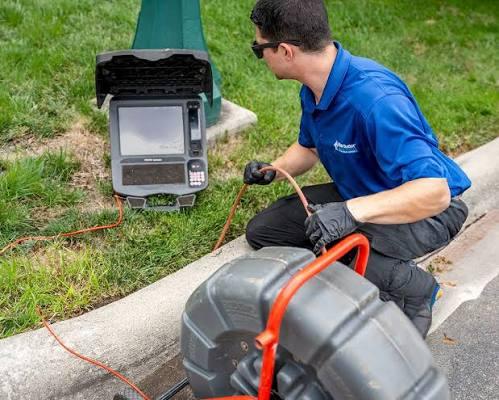
Hidden drain problems can cause slow drainage, unpleasant odours, and unexpected sewage backups. Drain camera inspection services help identify these issues without unnecessary digging or guesswork. A specialized camera allows plumbers to examine pipe interiors and locate blockages, cracks, and root intrusion. Understanding this process helps homeowners choose suitable repairs and protect their plumbing systems.
Understanding Professional Drain Camera Inspection Services
Professional Drain camera inspection services help homeowners understand what happens inside their drainage systems. Instead of relying only on surface symptoms, plumbers use specialized cameras to examine the interior of accessible pipes.
During an inspection, a technician guides a waterproof camera through a drain or sewer line. The camera sends live images to a monitor, allowing the technician to identify visible problems and their approximate locations.
These findings help determine whether the property needs cleaning, localized repairs, or more extensive sewer work. Consequently, homeowners can make informed decisions before approving expensive plumbing services.
A camera inspection can also help investigate recurring clogs. For example, a drain may repeatedly block because tree roots enter a damaged pipe. Removing the blockage may restore flow temporarily, but identifying the root intrusion helps determine the next step.
Why Sewer Line Camera Inspection Matters
A sewer line camera inspection provides a closer look at the condition of underground or concealed drainage pipes. It can reveal cracks, displaced joints, grease buildup, root intrusion, and other visible obstructions.
Without this inspection, a plumber may need to investigate several possible causes before finding the actual problem. Camera footage helps narrow down the location and type of damage.
This approach can reduce unnecessary excavation and improve repair planning. However, a camera cannot identify every possible plumbing defect. For example, it may not reveal a problem outside the inspected pipe or fully establish the structural strength of a pipe.
A professional should explain the findings and recommend additional testing when necessary. This helps homeowners understand the difference between a temporary blockage and a structural problem.
How Drain Camera Inspections Work
The inspection process begins with a review of the drainage symptoms. The plumber may ask about recurring clogs, sewage odours, slow drains, and previous repairs.
Next, the technician selects a suitable access point and inserts the camera into the pipe. The equipment moves through the line while transmitting images to a viewing screen.
The technician watches for visible obstructions, cracks, root growth, standing water, and damaged joints. Depending on the equipment, the camera system may also help estimate the location of a problem.
After the inspection, the plumber explains the observations and discusses possible solutions. Ask for a clear explanation of any damage, including whether cleaning, repair, or replacement may address the issue.
What Problems Can a Drain Camera Find
Drain cameras can identify many common drainage problems, including:
-
Tree roots growing through pipe joints
-
Grease and debris restricting water flow
-
Cracks and visible pipe damage
-
Misaligned or separated pipe joints
-
Foreign objects lodged inside drains
-
Mineral buildup and other obstructions
-
Standing water that may indicate poor drainage
-
Recurring blockages in accessible sewer lines
The camera provides visual evidence that helps guide the next steps. However, the technician must interpret the footage carefully because standing water or limited visibility can make some defects difficult to assess.
How Sewer Cleaning and Drain Maintenance Protect Your Property
Regular maintenance helps drainage systems carry wastewater away from your home. Over time, grease, soap residue, hair, sediment, and other materials can collect inside pipes.
When buildup restricts water flow, homeowners may notice slow sinks, gurgling toilets, or unpleasant smells. Professional cleaning can remove suitable obstructions and help restore drainage.
Camera inspections and cleaning often work well together. An inspection identifies the problem, while the appropriate cleaning method removes the obstruction when possible.
When to Choose Drain Cleaning Services
Drain cleaning services may help when water drains slowly, blockages return frequently, or unpleasant odours develop around fixtures.
A minor blockage near a sink may respond to basic maintenance. However, repeated clogs or problems affecting multiple fixtures can indicate an issue deeper in the drainage system.
A professional can determine whether the problem involves an individual drain, a shared branch line, or the main sewer connection. This assessment helps prevent repeated attempts to clear the wrong section of pipe.
Homeowners should avoid flushing unsuitable materials down toilets or pouring cooking grease into sinks. These habits can contribute to blockages and increase the need for professional cleaning.
Why Sewer Drain Cleaning Is Important
Sewer drain cleaning removes accumulated material from sewer pipes and helps restore wastewater flow. Depending on the obstruction, a plumber may use mechanical equipment, specialized cleaning tools, or other suitable methods.
Tree roots, grease, sediment, and foreign objects can all interfere with drainage. If several fixtures back up simultaneously, the main sewer line may require investigation.
Cleaning can resolve many blockages, but it cannot repair a collapsed or severely damaged pipe. Therefore, a camera inspection may be necessary when symptoms continue after cleaning.
A suitable maintenance plan should consider the pipe material, age, condition, and history of recurring problems. These factors help determine whether routine cleaning or additional repairs are appropriate.
How to Choose a Reliable Sewer Cleaning Company
A dependable sewer cleaning company should explain the blockage, describe the recommended method, and clarify the expected work before starting.
Ask whether the company can perform a camera inspection when recurring problems suggest hidden pipe damage. Also, request information about any additional costs associated with specialized equipment or repairs.
Before approving major work, ask the technician to explain the inspection results in plain language. You should understand where the problem occurs and why the proposed solution makes sense.
Avoid assuming that every sewer problem requires replacement. In some cases, cleaning or a localized repair may provide a suitable solution. A clear assessment helps you compare the available options.
Why Backwater Valves Help Prevent Sewer Backups
A sewer backup can cause serious damage when wastewater enters a basement or lower level. A backwater valve helps protect a property by restricting reverse wastewater flow under suitable conditions.
These valves typically allow wastewater to leave the property while helping prevent sewage from flowing backward through the protected drain. Their effectiveness depends on proper selection, installation, maintenance, and the plumbing layout.
A backwater valve does not eliminate every cause of basement flooding. Groundwater, foundation leaks, sump pump failures, and other drainage issues may require different protective measures.
What to Know About Backwater Valves
Backwater valves contain a mechanism that responds when wastewater attempts to flow backward through the protected pipe. Depending on the design, a flap or similar component restricts reverse flow.
The valve must suit the drainage system and comply with applicable local requirements. Incorrect placement or installation can interfere with drainage or leave parts of the property unprotected.
Homeowners should ask a qualified plumber which fixtures the valve will protect. The answer depends on how the property's drainage lines connect and where the valve sits.
Regular inspection also matters because debris can interfere with the valve mechanism. Follow the manufacturer's maintenance instructions and arrange professional servicing when the valve sticks or shows signs of damage.
How Backwater Valve Sewer Protection Works
A backwater valve sewer system helps reduce the risk of wastewater returning through a protected drainage line during a backup.
Under normal conditions, wastewater flows outward through the valve. When reverse flow occurs, the mechanism closes or restricts the passage, depending on the valve design.
However, closing the valve can also prevent wastewater from leaving the protected fixtures until conditions return to normal. Therefore, avoid using connected fixtures during an active backup.
A plumber can assess the appropriate location and confirm which fixtures the installation will protect. This assessment helps homeowners understand the valve's benefits and limitations.
When Backwater Valve Installation Makes Sense
Backwater valve installation may be worth considering when a property faces sewer backup risks or local requirements call for suitable protection.
A plumber can inspect the existing drain layout, basement fixtures, and sewer connection before recommending an installation. The work may involve opening part of the floor to access the appropriate pipe.
Ask whether permits or inspections apply to your project. You should also discuss maintenance access and the cost of restoring any disturbed flooring.
Proper installation helps the valve function as intended. However, homeowners should remember that no single device protects against every type of flooding.
What Basement Backwater Valve Protection Involves
A basement backwater valve can help protect connected lower level fixtures from sewer backups. Basements may face greater risks because some fixtures sit below the level of the main sewer line.
Before installing a valve, a professional should determine which drainage branches need protection. Incorrect placement may leave certain fixtures outside the protected section.
The plumber should also explain how to inspect and maintain the valve. Keeping the access point clear makes future maintenance easier and helps the homeowner respond quickly if the device needs attention.
How Back Water Valve Installation Works With Other Drainage Systems
Back water valve installation forms one part of a broader property drainage strategy. Depending on the home, effective protection may also require sump pump maintenance, foundation drainage improvements, or sewer line repairs.
A backwater valve and a sump pump perform different functions. The valve helps restrict reverse sewage flow, while the pump removes collected water from a designated pit.
Understanding this difference helps homeowners choose suitable protection instead of relying on one device for every flooding concern.
Why Sump Pump Installation Matters
Sump pump installation can help remove groundwater that collects in a sump pit beneath or around a home's foundation. The pump directs this water to an appropriate discharge location.
A properly selected system can reduce the risk of basement water accumulation when groundwater levels rise. However, the pump must suit the property's drainage conditions and local discharge requirements.
Before installation, inspect the sump pit, discharge route, electrical supply, and available drainage arrangements. A professional can determine the suitable pump capacity and installation method.
Regular testing and maintenance help keep the equipment ready for wet weather. Homeowners should also ask whether a backup power solution makes sense for their property.
When to Contact a Plumber Sump Pump Specialist
A plumber sump pump specialist can investigate problems such as frequent cycling, unusual noises, poor discharge, or a pump that fails to start.
These symptoms may indicate a blocked discharge line, faulty switch, worn pump, or electrical issue. A professional can inspect the system and recommend the appropriate repair.
If your basement experiences repeated water accumulation, investigate the underlying cause rather than replacing the pump automatically. Groundwater conditions, drainage restrictions, and equipment problems may require different solutions.
How to Find Sump Pump Installation Near Me
When searching for sump pump installation near me, compare local professionals based on relevant experience, written estimates, and their understanding of basement drainage.
Ask what the quoted service includes. For example, clarify whether the estimate covers the pump, sump pit preparation, discharge piping, testing, and any required electrical work.
You should also confirm the discharge location complies with applicable local requirements. Proper planning helps prevent water from draining back toward the foundation or creating other drainage concerns.
A professional assessment can help you choose a pump that meets your property's needs without unnecessary oversizing.
What to Ask a Plumber for Sump Pump Installation
A plumber for sump pump installation should explain the recommended equipment, discharge arrangement, maintenance needs, and expected project costs.
Ask how the system will operate during heavy rainfall and what happens during a power outage. Depending on your property, a backup pump or battery system may provide additional protection.
Before approving the work, confirm that the installation complies with applicable building and electrical requirements. Clear communication helps you understand the system and maintain it properly after installation.
Frequently Asked Questions About Drain Camera Inspections
How Long Does a Drain Camera Inspection Take
The inspection may take around thirty minutes to an hour for a straightforward accessible line. However, complex layouts, severe blockages, or difficult access can increase the time required.
Can a Drain Camera Find Every Plumbing Problem
No. A camera can reveal many visible pipe problems, but it cannot identify every hidden defect or measure all aspects of structural integrity. Additional testing may sometimes be necessary.
When Should I Schedule a Sewer Line Camera Inspection
Consider an inspection when drains repeatedly clog, several fixtures back up, sewer odours persist, or cleaning fails to resolve the problem. It can also help assess a sewer line before major repairs.
Does Camera Inspection Require Digging
Most inspections use an existing drain opening or suitable access point. If the technician finds damage, excavation may become necessary for certain repairs, but the inspection itself often avoids digging.
Can Drain Cleaning Fix a Damaged Sewer Line
Cleaning may remove obstructions and restore flow, but it cannot repair a collapsed pipe or a major structural defect. Camera findings help determine whether the line needs further work.
Do Backwater Valves Prevent All Basement Flooding
No. Backwater valves help restrict sewer backups through protected drainage lines. They do not prevent every cause of basement flooding, including groundwater intrusion, foundation leaks, or sump pump failures.
How Often Should a Sump Pump Be Inspected
Check your sump pump according to the manufacturer's recommendations and before periods of heavy rainfall. Arrange professional servicing if the pump makes unusual noises, cycles frequently, or fails a functional test.
Final Verdict
Drain camera inspection services help homeowners identify hidden drainage problems, understand recurring blockages, and make better repair decisions. By examining the inside of accessible pipes, plumbers can locate visible damage and recommend suitable next steps.
Regular drain maintenance, timely sewer cleaning, and appropriate backwater valve protection can support a healthier plumbing system. Likewise, proper sump pump installation helps manage groundwater risks in properties that need it.
When drainage problems continue, avoid relying on repeated temporary fixes. Arrange a professional assessment to determine whether cleaning, a camera inspection, a localized repair, or pipe replacement offers the most suitable solution.
For plumbing and drain service inquiries in Brantford, contact Aquasetic Plumbing & Drains to discuss your property's needs.
Business Name: Aquasetic Plumbing & Drains
Address: 72 Munro Cir, Brantford, ON N3T 0R2, Canada
Phone: (519) 761-8806
Email: aquaseticplumbing@gmail.com
❤️ Support Friends Aim! View a sponsored ad to help cover our website costs. Thanks!
Support Us — Ad 1 Support Us — Ad 2- Arts, Culture & Design
- Automotive & Transport
- Accounting & Finance
- Advertising & Marketing
- Agriculture & Farming
- Business & Consulting
- Books & Publishing
- Building & Construction
- Beauty & Personal Care
- Baby, Kids & Parenting
- Charity & Social Causes
- Crafts & Handmade
- Careers & Jobs
- Computers & Laptops
- Consumer Electronics
- Entertainment & Events
- Food & Beverages
- Delivery & Logistics
- Digital Media & Content
- Dating & Relationships
- E-Commerce & Retail
- Education & Learning
- Energy & Environment
- Fitness
- Fashion & Apparel
- Gaming & Toys
- Government & Legal
- Gardening
- Health & Medical Care
- Home Decor & Furniture
- IT & Software
- Industrial & Tools
- Import & Export
- Jewelry & Watches
- Lifestyle & Wellness
- Legal Services & Law
- News & Media
- News & Current Affairs
- Religion & Faith
- Sports
- Technology
- Travel & Tourism
- Weddings & Events
- Other

 Arabic
 French
 Spanish
 Portuguese
 Deutsch
 Turkish
 Dutch
 Italiano
 Russian
 Romaian
 Portuguese (Brazil)
 Greek