


 About
 Terms
 Privacy
Jawbone Infection Symptoms and How Long It Takes to Heal
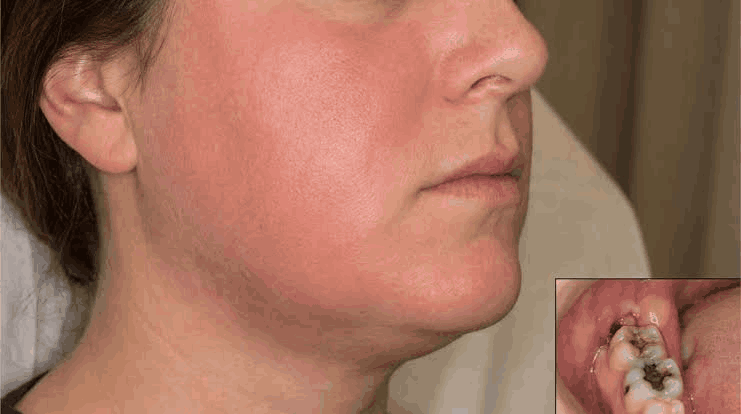
A jawbone infection can cause persistent jaw pain, swelling, tenderness, difficulty chewing, and other uncomfortable symptoms. It may develop when bacteria enter the bone through an infected tooth, gum disease, dental surgery, or an injury. In some cases, the infection spreads from nearby tissues and damages the bone if treatment is delayed.
Recognising the warning signs early is important because infections involving the jawbone can become serious. Treatment usually requires antibiotics, dental care, and sometimes surgery to remove infected or damaged tissue. Recovery depends on the severity of the infection, the patient's overall health, and how quickly appropriate treatment begins.
This article explains the common symptoms, possible causes, diagnostic tests, available treatments, and expected healing time. It also discusses supportive care and answers frequently asked questions to help patients understand what to expect during recovery.
What Is a Jawbone Infection?
A jawbone infection occurs when harmful microorganisms, usually bacteria, enter and multiply within the bone tissue. The medical term for an infection involving bone is osteomyelitis. It can affect either the upper jaw (maxilla) or lower jaw (mandible).
The condition may develop suddenly or progress gradually. Acute infections generally produce noticeable pain, swelling, and inflammation. Chronic infections may persist for months, sometimes causing recurring discomfort, drainage, or gradual bone damage.
The lower jaw is particularly vulnerable because of its blood supply and its relationship with dental infections. However, the upper jaw can also become infected, especially when bacteria spread from nearby teeth, gums, or sinus structures.
A bone infection is different from an ordinary toothache or gum infection. While dental infections may initially affect soft tissues, bacteria can sometimes reach deeper structures and involve the surrounding bone. This requires prompt assessment by a dentist, oral surgeon, or other qualified healthcare professional.
What Are the Main Symptoms of a Jawbone Infection?
The symptoms vary depending on whether the infection is acute or chronic. Some people experience severe discomfort within a few days, while others develop gradually worsening symptoms.
Common warning signs include:
-
Persistent jaw pain: A deep, aching sensation that may become worse when chewing or touching the affected area.
-
Facial swelling: Swelling around the jaw, cheeks, or gums caused by inflammation.
-
Redness and tenderness: The affected gum tissue may appear inflamed and feel painful.
-
Fever and chills: These symptoms may occur when the infection triggers a wider inflammatory response.
-
Loose teeth: Infection-related bone destruction can weaken the structures supporting nearby teeth.
-
Pus or drainage: An abscess may release pus through the gums or a small opening in the skin.
-
Difficulty chewing: Pain and swelling can make eating and speaking uncomfortable.
-
Bad breath or unpleasant taste: Drainage from an infected area may produce an unpleasant smell or taste.
-
Fatigue: The body may feel tired while fighting an ongoing infection.
Not everyone experiences all these symptoms. Some patients have persistent discomfort without fever, particularly when the condition becomes chronic.
Can a Jawbone Infection Cause Loose Teeth?
Yes. Infection can damage the bone and supporting tissues surrounding the teeth. As the supporting structures weaken, affected teeth may become loose or uncomfortable during chewing.
Loose teeth should never be ignored, especially when accompanied by swelling, pus, or persistent pain. A dental examination can help determine whether the problem involves periodontal disease, an abscess, or deeper bone damage.
What Causes a Jawbone Infection?
Several conditions can allow bacteria to enter the jawbone. Dental infections are among the most important causes because teeth and surrounding tissues are closely connected to the underlying bone.
Common causes include:
1. Untreated tooth abscess: A bacterial infection inside a tooth can spread through its root and surrounding tissues. Without treatment, it may reach the adjacent bone.
2. Advanced gum disease: Severe periodontal disease damages the tissues supporting teeth and creates pathways through which bacteria can spread.
3. Dental procedures: Tooth extraction, implant placement, and other oral surgeries occasionally introduce bacteria into deeper tissues, particularly when healing is complicated.
4. Jaw injuries: Open wounds, fractures, or trauma can provide an entry point for infectious organisms.
5. Poor oral hygiene: Inadequate brushing and flossing encourage plaque accumulation, increasing the risk of gum inflammation and dental infections.
6. Weakened immunity: Diabetes, certain cancer treatments, immune-suppressing medications, and other medical conditions can increase susceptibility to infections.
7. Medication-related jaw problems: Some people taking particular antiresorptive medications or receiving radiation treatment to the head and neck can develop jawbone complications. These conditions require specialist assessment and are not always caused by ordinary bacterial infection.
Who Has a Higher Risk?
Certain individuals need additional attention to their oral health because their risk of infection or delayed healing may be higher.
Risk factors include:
-
Poorly controlled diabetes.
-
Smoking or tobacco use.
-
Untreated dental decay.
-
Severe periodontal disease.
-
Previous jaw surgery or injury.
-
Compromised immune function.
-
Previous radiation therapy involving the jaw.
-
Certain cancer medications and osteoporosis treatments.
Having a risk factor does not mean someone will develop an infection. However, regular dental examinations can help identify problems before they become serious.
How Is a Jawbone Infection Diagnosed?
Diagnosis usually involves a dental examination, medical history, laboratory investigations, and imaging. The purpose is to identify the infection, determine its extent, and establish which microorganisms may be responsible.
A dentist or oral and maxillofacial surgeon may perform several assessments.
1. Physical and Dental Examination
The healthcare professional examines the teeth, gums, jaw, and surrounding facial tissues. They may check for swelling, tenderness, loose teeth, drainage, and restricted mouth opening.
They may also ask about recent dental procedures, previous infections, medications, and medical conditions.
2. Dental X-rays
Dental radiographs can reveal changes in bone density, areas of bone destruction, and problems involving tooth roots. However, early bone infections may not produce obvious changes on ordinary X-rays.
3. CT and MRI Scans
A CT scan provides detailed images of the jawbone and can help identify bone destruction, fractures, and areas of dead bone.
MRI is useful for examining soft tissues, bone marrow changes, and the extent of infection. The choice depends on the suspected condition and the information needed by the treating specialist.
4. Blood Tests
Doctors may request:
-
Complete blood count to assess white blood cells.
-
C-reactive protein to measure inflammation.
-
Erythrocyte sedimentation rate to identify inflammatory activity.
These tests support the assessment but cannot independently confirm an infection.
5. Culture and Biopsy
When necessary, a specialist collects pus or a bone sample for laboratory testing. Cultures can identify the responsible bacteria and help determine which antibiotics are likely to work.
A sample from the infected bone may provide more useful information than a surface drainage sample.
What Is the Best Treatment for a Jawbone Infection?
Treatment depends on the cause, infection severity, affected structures, and presence of damaged bone. The main objectives are to eliminate harmful microorganisms, control inflammation, preserve healthy tissue, and prevent further complications.
Most patients require professional dental or surgical treatment rather than home care alone.
Antibiotics for Bacterial Infections
Antibiotics are commonly prescribed to treat bacterial osteomyelitis. The selected medication depends on the suspected bacteria, culture results, allergies, and individual medical circumstances.
Depending on the severity, treatment may involve oral antibiotics or intravenous medication.
Patients should understand that:
-
Antibiotics must be taken exactly as prescribed.
-
Treatment duration varies between individuals.
-
Stopping medication early without medical advice can allow infection to persist.
-
Antibiotics alone may not eliminate an abscess or dead bone.
-
Follow-up appointments are important to assess progress.
Some infections require several weeks of treatment, while complicated or chronic cases may need longer management.
Merck Manual Professional Edition+1
Dental Treatment and Removal of the Infection Source
If an infected tooth is responsible, the dentist must address that source. Depending on the condition, treatment may include root canal therapy, tooth extraction, or drainage of an abscess.
Removing the original source is essential because bacteria can continue spreading if the infected tooth or surrounding tissue remains untreated.
Surgical Treatment
Surgery may be necessary when antibiotics cannot adequately control the infection or when damaged tissue prevents healing.
Possible procedures include:
-
Incision and drainage: A surgeon creates an opening to release accumulated pus.
-
Debridement: Infected or dead tissue is removed to encourage healthy healing.
-
Sequestrectomy: A separated piece of dead bone is removed.
-
Reconstruction: Extensive damage may require procedures to restore jaw structure and function.
The decision to operate depends on imaging findings, clinical symptoms, and response to initial treatment.
How Long Does It Take for a Jawbone Infection to Heal?
Healing time depends on how deeply the infection has spread, whether dead bone is present, and how effectively treatment controls the underlying cause.
In uncomplicated cases, patients may notice improvement in pain and swelling within several days after starting appropriate treatment. However, improvement in symptoms does not necessarily mean the bone has completely recovered.
A general recovery guide is:
|
Infection severity |
Possible recovery period |
|
Early infection |
Several weeks |
|
Acute bone infection |
Around 4–6 weeks or longer |
|
Complicated infection |
Several weeks to months |
|
Chronic infection |
Several months or longer |
These are general estimates, not guaranteed healing times. Some patients need additional procedures or prolonged medication.
What Factors Affect Healing Time?
Several factors influence how quickly the jaw recovers:
Severity of infection: An infection limited to nearby tissues may resolve faster than one involving extensive bone damage.
Early diagnosis: Prompt treatment reduces the opportunity for bacteria to spread and damage additional tissue.
Appropriate antibiotics: Medication selected according to the likely or confirmed bacteria improves the chance of successful treatment.
Surgical intervention: Removing dead bone or draining an abscess may be necessary before healing can progress.
Overall health: Diabetes, immune suppression, nutritional deficiencies, and other medical conditions can delay recovery.
Lifestyle habits: Smoking and poor oral hygiene can interfere with healing and increase the risk of further dental problems.
How Can You Support Recovery Naturally?
Natural supportive care can improve comfort and help maintain oral hygiene, but it cannot remove bacteria from infected bone or replace prescribed treatment.
People researching Natural Remedies for Osteomyelitis should understand this distinction. Gentle saltwater rinses may help soothe irritated gums when a dentist considers them appropriate. Drinking enough water, eating nutritious foods, and maintaining careful oral hygiene can also support general recovery.
Choose soft foods if chewing causes discomfort. Avoid smoking, tobacco products, and foods that irritate surgical wounds. Follow your dentist's instructions about brushing, rinsing, and caring for the affected area.
Do not apply concentrated essential oils, herbal pastes, or irritating substances directly to an infected area. These products may damage sensitive tissues or interfere with healing.
What Foods Help During Jawbone Infection Recovery?
Good nutrition supports the body's normal tissue repair processes. Although no specific food can cure a bacterial bone infection, a balanced diet can help maintain strength during treatment.
Consider including:
-
Protein-rich foods: Eggs, fish, chicken, lentils, yoghurt, and beans provide nutrients needed for tissue repair.
-
Calcium sources: Milk, yoghurt, cheese, and fortified alternatives support normal bone health.
-
Vitamin C foods: Oranges, guava, strawberries, and vegetables contribute to collagen formation.
-
Vitamin D sources: Eggs, fortified foods, and oily fish help maintain calcium absorption.
-
Soft vegetables: Cooked carrots, spinach, pumpkin, and other tender vegetables provide important micronutrients.
If chewing is painful, choose soups, mashed vegetables, smoothies, scrambled eggs, and other soft meals.
Avoid very hot, hard, crunchy, or sticky foods if they irritate the affected area. Patients recovering from oral surgery should follow any specific dietary restrictions provided by their surgeon.
Adequate hydration is also important, particularly when fever or reduced food intake is present.
Can Home Care Replace Medical Treatment?
No. Home care cannot reliably eliminate a bacterial infection inside the jawbone. Delaying professional assessment may allow the infection to spread, damage additional bone, or produce an abscess.
A Natural Treatment for Bone Infection should therefore never be presented as a substitute for antibiotics, drainage, or surgery when these treatments are medically necessary.
Home measures have a supportive role only. They may help patients remain comfortable while following a treatment plan established by a qualified healthcare professional.
Patients should also avoid using leftover antibiotics or purchasing medication without a proper diagnosis. The wrong antibiotic may fail to treat the responsible organism and can contribute to antimicrobial resistance.
What Happens If a Jawbone Infection Is Left Untreated?
An untreated infection can progressively damage bone and surrounding tissues. The complications depend on its location, severity, and the patient's overall health.
Potential problems include:
-
Bone destruction: Persistent inflammation can damage healthy bone tissue.
-
Chronic osteomyelitis: The infection may become difficult to eliminate and cause recurring symptoms.
-
Abscess formation: Pockets of pus may develop in nearby tissues.
-
Tooth loss: Damage to supporting bone can affect the stability of surrounding teeth.
-
Pathological fracture: Extensive bone weakening can increase the risk of fracture.
-
Spread of infection: In serious cases, bacteria may spread into surrounding facial spaces or the bloodstream.
A spreading dental infection can sometimes cause a dangerous condition called sepsis. Prompt medical attention is particularly important when patients develop fever, rapidly increasing swelling, or general deterioration.
How Can Patients Prevent Another Infection?
Preventive dental care is important after recovery because untreated oral infections can create new opportunities for bacteria to reach surrounding tissues.
Practical prevention strategies include:
-
Brush twice daily using fluoride toothpaste.
-
Clean between teeth with floss or interdental brushes.
-
Visit a dentist regularly for examinations and professional cleaning.
-
Treat cavities, gum disease, and dental abscesses promptly.
-
Avoid smoking and other tobacco products.
-
Follow postoperative instructions after tooth extraction or dental implant procedures.
-
Manage diabetes and other medical conditions with appropriate healthcare support.
Patients who have previously experienced osteomyelitis should inform their dentist before undergoing another dental procedure. A specialist may recommend additional precautions depending on their medical history.
Are Herbal Products Useful During Recovery?
Some patients explore complementary products while recovering from dental or bone infections. However, herbal preparations should not be considered proven treatments for osteomyelitis.
Herbal Care Products may be marketed for general wellness or oral health, but their ingredients, quality, and safety can vary. Patients should discuss any supplement with their dentist or physician, particularly when taking antibiotics, blood thinners, or other prescription medicines.
Certain herbal ingredients may interact with medications or increase the risk of unwanted effects. Products should never be placed inside an extraction socket or applied to exposed bone unless specifically recommended by a qualified professional.
The safest approach is to prioritise evidence-based medical treatment and use complementary products only when a healthcare professional confirms they are appropriate.
When Should You Seek Emergency Medical Attention?
Some symptoms require urgent assessment because they may indicate a spreading infection or a serious complication.
Seek emergency medical attention if you experience:
-
Difficulty breathing or swallowing.
-
Rapidly increasing swelling around the face, jaw, or neck.
-
Severe weakness, confusion, or fainting.
-
High fever accompanied by significant deterioration.
-
Swelling that interferes with opening the mouth.
Contact a dentist promptly if jaw pain persists, a tooth becomes loose, pus develops, or swelling does not improve. Do not wait for symptoms to become severe before seeking help.
Frequently Asked Questions
1. Can a jawbone infection heal without antibiotics?
Some mild dental conditions may improve after treating their underlying cause, but confirmed bacterial osteomyelitis generally requires appropriate antimicrobial treatment. A healthcare professional should determine the correct approach.
2. Is a jawbone infection dangerous?
It can become serious if bacteria spread or destroy surrounding bone. Early diagnosis and appropriate treatment significantly improve the likelihood of recovery.
3. Can a tooth extraction cause a bone infection?
Yes. Infection can occasionally develop after extraction, particularly when bacteria enter the surgical area or healing becomes complicated. However, most extractions heal without this complication.
4. Can osteomyelitis return after treatment?
Yes. Recurrence is possible, particularly when infected or dead bone remains, the original source is not eliminated, or the patient has underlying risk factors. Follow-up examinations help detect persistent problems.
5. How do doctors know whether treatment is working?
Doctors assess pain, swelling, drainage, fever, and overall oral function. They may also repeat inflammatory blood tests or imaging when clinically necessary. Improvement in symptoms is encouraging, but follow-up is important to confirm recovery.
6. Can jawbone damage grow back?
Bone has some natural capacity to remodel and repair. However, extensive damage may not restore itself completely. Surgical reconstruction or other specialist procedures may be considered when significant structural loss occurs.
7. Can the infection spread to other parts of the body?
Yes. Although uncommon, bacteria can spread from the original site into nearby facial tissues or the bloodstream. Rapidly worsening symptoms require urgent medical evaluation.
Conclusion
A jawbone infection is a potentially serious condition that requires timely diagnosis and appropriate treatment. Persistent jaw pain, facial swelling, loose teeth, fever, and pus drainage are important warning signs that should not be ignored.
Most patients can recover with suitable antibiotics, treatment of the original dental problem, and surgery when necessary. However, healing may take several weeks or months, particularly when infection has caused extensive bone damage.
Maintaining good oral hygiene, attending regular dental appointments, eating nutritious foods, and following medical instructions can support recovery and reduce the risk of future complications. Anyone experiencing persistent symptoms should consult a dentist or oral and maxillofacial surgeon rather than relying on home remedies alone.
❤️ Support Friends Aim! View a sponsored ad to help cover our website costs. Thanks!
Support Us — Ad 1 Support Us — Ad 2- Arts, Culture & Design
- Automotive & Transport
- Accounting & Finance
- Advertising & Marketing
- Agriculture & Farming
- Business & Consulting
- Books & Publishing
- Building & Construction
- Beauty & Personal Care
- Baby, Kids & Parenting
- Charity & Social Causes
- Crafts & Handmade
- Careers & Jobs
- Computers & Laptops
- Consumer Electronics
- Entertainment & Events
- Food & Beverages
- Delivery & Logistics
- Digital Media & Content
- Dating & Relationships
- E-Commerce & Retail
- Education & Learning
- Energy & Environment
- Fitness
- Fashion & Apparel
- Gaming & Toys
- Government & Legal
- Gardening
- Health & Medical Care
- Home Decor & Furniture
- IT & Software
- Industrial & Tools
- Import & Export
- Jewelry & Watches
- Lifestyle & Wellness
- Legal Services & Law
- News & Media
- News & Current Affairs
- Religion & Faith
- Sports
- Technology
- Travel & Tourism
- Weddings & Events
- Other

 Arabic
 French
 Spanish
 Portuguese
 Deutsch
 Turkish
 Dutch
 Italiano
 Russian
 Romaian
 Portuguese (Brazil)
 Greek