


 About
 Terms
 Privacy
In Home Pediatric Nurse: Understanding One-on-One Pediatric Care
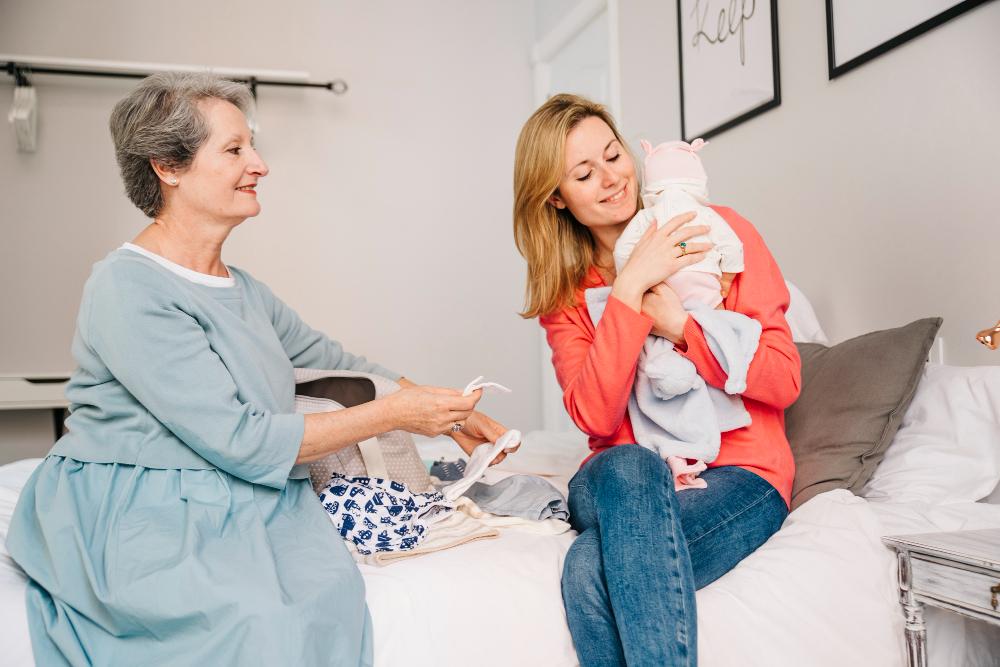
Children with ongoing medical conditions often need attention that goes beyond regular doctor visits. Some require medication administration, respiratory assistance, feeding support, or continuous observation to manage their health safely. For parents, coordinating these responsibilities while maintaining a normal family routine can be challenging. Having a qualified nurse provide care at home can offer a more individualized approach, allowing children to receive appropriate medical attention Pediatric Tracheostomy Care in an environment where they feel comfortable.
One-on-one nursing support focuses on the specific needs of each child rather than following a general care routine. At SLB In-Home Care, the goal is to help families across Georgia explore professional pediatric healthcare services that recognize the importance of clinical attention, family involvement, and consistent support.
What Does One-on-One Pediatric Nursing Mean?
One-on-one pediatric nursing involves providing individualized healthcare attention to a child in their home. A licensed nursing professional follows an established care plan based on the child's medical condition, physician orders, and treatment requirements.
Unlike general supervision, this type of nursing involves clinical responsibilities that require appropriate education training licensure. The nurse focuses on the child's medical needs during the assigned shift while communicating important observations to the family and healthcare team.
How Individualized Nursing Differs From General Caregiving
General caregiving may involve helping children with everyday activities, but professional nursing includes medically necessary responsibilities that require clinical knowledge.
Depending on the child's authorized care plan, nursing duties may include:
- Administering prescribed medications.
- Monitoring relevant health indicators.
- Providing authorized respiratory treatments.
- Managing feeding tube-related care.
- Performing prescribed wound care.
- Observing symptoms and reporting health changes.
- Documenting nursing interventions and treatment responses.
The specific responsibilities depend on the nurse's professional scope and the child's medical requirements.
Which Children May Benefit From Individualized Nursing Attention?
Children with complex health conditions may need more focused medical supervision than families can provide without professional assistance. An individualized nursing arrangement may be appropriate when a child requires specialized procedures or regular monitoring.
Children With Respiratory Conditions
Some children need assistance with oxygen therapy, tracheostomy care, or ventilator-related support. These responsibilities require appropriate training and close attention to medical instructions.
Children With Neurological and Developmental Conditions
Children living with cerebral palsy, seizure disorders, or other neurological conditions may require ongoing observation and assistance with prescribed healthcare routines. Their nursing needs depend on how the condition affects daily functioning and medical stability.
Children Requiring Feeding and Nutritional Assistance
Some children cannot obtain sufficient nutrition through ordinary eating and may depend on feeding tubes. Qualified nurses can provide authorized feeding-related care, monitor tolerance, and follow prescribed nutritional instructions.
A medical assessment is necessary to determine whether one-on-one nursing is suitable for an individual child.
How an In-Home Nurse Supports a Child's Daily Routine
A child's healthcare plan should address medical responsibilities without overlooking the importance of childhood experiences. Professional nursing can help organize essential treatments around the child's established schedule whenever clinically appropriate.
Maintaining Consistent Treatment Schedules
Children who require multiple medications or scheduled procedures benefit from organized routines. Nursing professionals can follow prescribed instructions, document completed interventions, and communicate any concerns that arise.
This structure helps families understand what treatments have been provided and what additional medical attention may be necessary.
Observing Health Changes
Some medical conditions can involve sudden changes in symptoms or overall health. Nurses monitor relevant indicators based on the child's condition and report concerning observations to the appropriate healthcare professionals.
Parents should also understand emergency procedures and know when to seek immediate medical assistance.
Encouraging Comfort and Family Participation
Children need opportunities to interact with family members, participate in appropriate activities, and enjoy familiar surroundings. Nursing professionals can support these priorities while completing necessary clinical responsibilities.
Parents remain important members of the care team and should have opportunities to communicate preferences and discuss changes in their child's needs.
Choosing the Right Pediatric Nursing Provider
Selecting a provider requires careful consideration because nursing professionals may become an important part of the child's everyday environment.
Review Nursing Qualifications and Experience
Ask whether the agency employs registered nurses (RNs), licensed practical nurses (LPNs), or both. Confirm that assigned professionals have appropriate licenses and experience with the child's specific medical procedures.
Understand Staffing and Scheduling Arrangements
Parents should ask how nursing shifts are organized, how absences are handled, and what happens when a replacement nurse is needed. Clear expectations can help families prepare for changes in their schedules.
Evaluate Communication and Care Coordination
A dependable provider should have clear procedures for documenting care, reporting medical concerns, and communicating with families. Coordination with physicians and other healthcare professionals is also important when a child's condition changes.
These considerations help parents evaluate whether a provider can meet their child's requirements safely and consistently.
Exploring Pediatric Nursing Support Through Georgia GAPP
Families living in Georgia may explore the Georgia Pediatric Program (GAPP), which provides authorized in-home nursing and personal care services for eligible children enrolled in Medicaid.
Depending on medical necessity and G-Tube Feeding Care at Home program approval, children may qualify for nursing services that support their healthcare needs at home.
Parents interested in one-on-one nursing can begin by discussing their child's condition with a pediatrician. The process may involve medical documentation, physician orders, an assessment, and confirmation of eligibility and approved services.
SLB In-Home Care supports families exploring pediatric home healthcare options across Georgia. Understanding available services and program requirements can help parents make informed decisions about their child's care.
Making Individualized Nursing a Meaningful Part of Childhood
Children with medical conditions deserve healthcare arrangements that recognize both their clinical requirements and their everyday experiences. One-on-one nursing can provide focused professional attention while helping families organize important medical responsibilities.
Choosing qualified nursing professionals, maintaining open communication, and reviewing care plans regularly can help create a more dependable support system. For families considering in-home services, the priority should always be finding an arrangement that reflects the child's individual needs, promotes safety, and respects family involvement.
Frequently Asked Questions
1. What is the main benefit of having a one-on-one pediatric nurse?
The primary benefit is individualized medical attention based on the child's specific healthcare needs. Depending on the authorized care plan, a nurse can provide clinical monitoring, prescribed treatments, and specialized nursing procedures.
2. Can an in-home pediatric nurse care for a child with a ventilator?
Yes. Appropriately trained and qualified nursing professionals may provide authorized ventilator-related care when it is included in the child's medical plan. Families should confirm the nurse's experience and understand the required emergency procedures.
3. Does Georgia Medicaid cover one-on-one pediatric nursing?
Eligible children may receive authorized in-home nursing services through Georgia's GAPP program. Coverage depends on medical necessity, Medicaid eligibility, assessment results, and program authorization.
❤️ Support Friends Aim! View a sponsored ad to help cover our website costs. Thanks!
Support Us — Ad 1 Support Us — Ad 2- Arts, Culture & Design
- Automotive & Transport
- Accounting & Finance
- Advertising & Marketing
- Agriculture & Farming
- Business & Consulting
- Books & Publishing
- Building & Construction
- Beauty & Personal Care
- Baby, Kids & Parenting
- Charity & Social Causes
- Crafts & Handmade
- Careers & Jobs
- Computers & Laptops
- Consumer Electronics
- Entertainment & Events
- Food & Beverages
- Delivery & Logistics
- Digital Media & Content
- Dating & Relationships
- E-Commerce & Retail
- Education & Learning
- Energy & Environment
- Fitness
- Fashion & Apparel
- Gaming & Toys
- Government & Legal
- Gardening
- Health & Medical Care
- Home Decor & Furniture
- IT & Software
- Industrial & Tools
- Import & Export
- Jewelry & Watches
- Lifestyle & Wellness
- Legal Services & Law
- News & Media
- News & Current Affairs
- Religion & Faith
- Sports
- Technology
- Travel & Tourism
- Weddings & Events
- Other

 Arabic
 French
 Spanish
 Portuguese
 Deutsch
 Turkish
 Dutch
 Italiano
 Russian
 Romaian
 Portuguese (Brazil)
 Greek