


 About
 Terms
 Privacy
What Happens When Leather Is Conditioned Too Often?
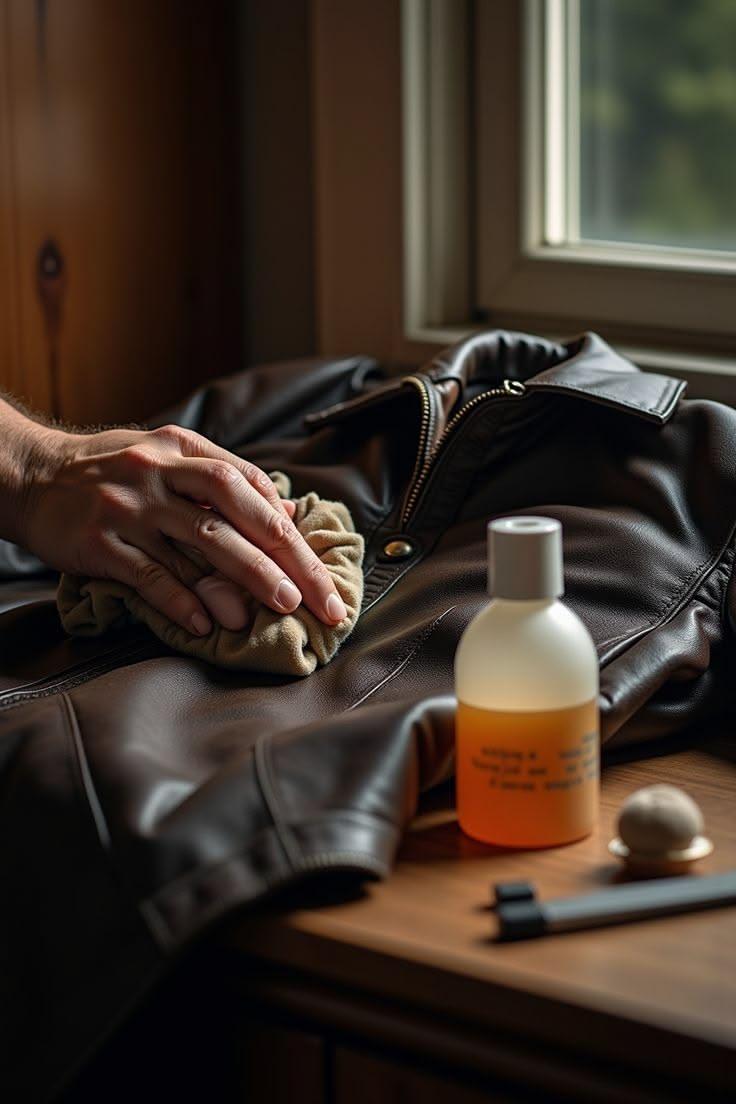
Leather conditioner can help keep motorcycle gear flexible and prevent excessive dryness, but using it too frequently can create its own problems. Leather does not need to be constantly saturated with oils or conditioning products. When conditioner is applied again and again before the previous treatment has been absorbed or before the leather actually needs more moisture, residue can build up and gradually change the way the material feels, looks, and holds its shape.
Over-conditioning is especially common when riders assume that every cleaning session, rainy ride, or change in season should be followed by another application. In reality, leather care should be based on the condition of the hide rather than a fixed schedule. Healthy leather should feel flexible without being greasy, overly soft, sticky, or heavy. Understanding what too much conditioner does makes it easier to maintain a vest without weakening the qualities that make leather durable in the first place.
Leather Can Become Too Soft
One of the clearest effects of excessive conditioning is leather becoming much softer than intended. Conditioner introduces oils and other moisturizing ingredients into the hide, which can reduce stiffness and improve flexibility when the material is genuinely dry.
When too much product is repeatedly added, however, the leather may lose some of its natural structure. A mens leather motorcycle vest that once held its shape well may begin to feel overly relaxed through the front panels, shoulders, or back. Softness itself is not damage, but leather that becomes floppy or shapeless may no longer perform or fit the way it originally did.
The Vest May Lose Its Original Structure
Leather garments are constructed so that the panels, seams, and thickness of the hide work together to maintain a specific shape. Conditioning should preserve flexibility without changing that overall structure.
If the leather becomes excessively saturated, areas that previously supported the shoulders, pockets, or back panel may begin to sag. This can be especially noticeable on heavier motorcycle vests designed to provide a substantial feel. Once the material has been over-softened for a long period, restoring the original firmness may be difficult.
Greasy Residue Can Build Up on the Surface
Leather can only absorb a limited amount of conditioner at one time. Any excess that remains near the surface may create an oily or greasy feel.
This residue can make the vest unpleasant to handle and may transfer onto shirts, furniture, motorcycle seats, or other gear. It can also attract dust and road grime more easily, causing the leather to look dirty soon after cleaning. If the surface still feels oily long after conditioning, that usually indicates more product was applied than the leather could absorb.
Over-Conditioned Leather Can Feel Sticky
Some conditioning products contain waxes, oils, or other ingredients that leave a protective layer on the surface. When applied in moderation, this may be helpful. When layers accumulate over repeated treatments, the surface can become tacky.
Sticky leather collects lint, dust, and fine road debris much faster than clean leather. The problem may become more noticeable in warm weather because heat can soften built-up product. Repeatedly adding more conditioner will usually make the situation worse rather than improving the leather.
Black Leather Can Become Unevenly Dark
Many conditioners temporarily or permanently darken leather. On black leather, this change may be subtle at first, but repeated applications can create differences between heavily treated and lightly treated areas.
Sections around seams, pockets, and patch borders may absorb product differently from broad flat panels. Over time, the result can be uneven sheen or dark patches. Before applying any conditioner to a large area, testing it somewhere inconspicuous helps reveal how strongly the leather reacts.
Conditioner Can Change the Surface Finish
Leather finishes vary considerably. Some hides have relatively natural surfaces, while others have protective coatings that provide consistent color, sheen, and moisture resistance.
Too much conditioner can interfere with these finishes. The surface may become dull, overly shiny, streaky, or uneven depending on the product and leather type. This is one reason a conditioner that works well on one vest should not automatically be used heavily on another.
Excessive Oils Can Attract Dirt
Freshly conditioned leather can sometimes hold more surface dust until the product has fully absorbed. If the leather is repeatedly saturated, this dirt-attracting effect may continue.
Road dust, lint, and grime can become embedded in oily residue around the grain, seams, and pocket edges. The rider may then respond by cleaning more often, followed by more conditioning, creating an unnecessary cycle of product buildup. Proper care usually requires less product, not more.
Seams Can Be Affected by Excess Product
Conditioner does not remain only on broad leather panels. It can work its way into seam lines, stitch holes, folded edges, and reinforced areas.
Heavy saturation around these points may soften the surrounding leather more than intended. On older garments, this can be concerning because stitch holes and seam edges already experience repeated stress. Condition the leather lightly rather than deliberately soaking seam lines.
Pocket Openings Can Lose Their Shape
Pocket openings are frequently handled and already experience repeated pulling. If these areas become excessively soft from conditioning, they may stretch more easily.
A pocket that once stayed flat may begin to sag or remain slightly open even when empty. This is particularly relevant when the same pocket regularly carries a phone, wallet, or keys. Over-softened leather combined with repeated pocket weight can accelerate distortion.
Side Laces and Adjustment Areas Can Stretch More Easily
Leather around side laces, buckles, or adjustment holes experiences concentrated tension. If those areas become excessively soft, the holes can gradually elongate or the surrounding panel can stretch.
This does not mean conditioner should never be used near adjustable sections, but it should be applied carefully. The goal is to prevent dryness and cracking while maintaining enough firmness for the hardware to remain supported.
Excessive Conditioning Can Affect Patch Areas
Patch-heavy vests require more careful conditioning because the product can collect around embroidery, stitch lines, and patch borders. Some conditioners may also darken fabric threads or leave oily marks on patch backing.
A heavily customized mens leather biker vest should generally be treated in the exposed leather areas rather than having conditioner spread indiscriminately over the entire surface. Using a small cloth or applicator gives better control around patches and helps prevent buildup along their edges.
Product Can Collect Under Patch Borders
If conditioner is repeatedly worked heavily around sewn patches, small amounts may move underneath the edge. These areas receive limited airflow, so oily residue can remain trapped longer.
Over time, the border may attract dust or feel sticky. It can also make future patch repairs messier. Apply conditioner lightly around embroidered sections and wipe away any visible excess before storing the vest.
Lining Can Pick Up Excess Oils
Although conditioner is intended for leather, too much product can migrate through seams or thin areas and reach the lining. This may leave oily spots on interior fabric.
A saturated lining can feel uncomfortable and may transfer residue to clothing. When conditioning the vest, use enough product to treat the leather surface rather than soaking the entire panel. More conditioner does not necessarily mean deeper or better protection.
Hardware Can Become Coated With Residue
Zippers, snaps, buckles, and decorative metal can collect conditioner during application. A small amount can be wiped away easily, but repeated buildup may leave hardware greasy or attract dirt.
Some products can also leave residue around zipper teeth, making them feel sluggish. Apply conditioner around hardware rather than directly over it, then wipe metal components clean after treatment.
Over-Conditioning Does Not Make Leather Waterproof
One misconception is that repeatedly conditioning leather will make it increasingly resistant to rain. Conditioner may improve flexibility and some products provide limited moisture resistance, but it does not turn ordinary leather into fully waterproof material.
Applying excessive amounts in preparation for rain can simply leave the vest greasy. For prolonged wet weather, appropriate rain gear or a leather-compatible protective product designed for water resistance is more useful than repeated conditioning.
Conditioner Cannot Repair Cracked Leather
Conditioner can help prevent excessive dryness, but it cannot rebuild leather fibers that have already broken. Deep cracks, peeling surfaces, torn seams, or damaged panels need repair rather than additional oil.
Repeatedly soaking damaged leather may temporarily make it look darker or softer without restoring its strength. This can hide the seriousness of the problem instead of fixing it. Structural deterioration should be assessed separately from normal dryness.
Too Much Conditioner Can Mask the Real Condition
A heavily treated surface may look darker and more flexible immediately after application, giving the impression that the leather is healthier than it actually is. Once the product dries or wears away, the underlying condition may become visible again.
This can make it difficult to distinguish between properly maintained leather and leather that is simply coated in product. Regular inspection should focus on cracking, seam strength, texture, flexibility, and shape rather than shine alone.
Different Leather Types Need Different Amounts of Care
Not every leather absorbs conditioner at the same rate. More natural or absorbent finishes may take in product differently from corrected or heavily coated leather.
Some finished leathers may need very little conditioner because the protective surface slows moisture loss. Applying products meant for highly absorbent leather to a heavily finished vest can leave most of the conditioner sitting on the surface. Always consider the leather type rather than assuming every garment needs the same treatment.
Climate Changes How Often Leather Needs Conditioning
A vest regularly used in a dry climate may need conditioning more often than one stored in a moderate environment. Heat, direct sunlight, wind, and low humidity can contribute to faster drying.
By contrast, riders in humid climates may find that their leather remains flexible for longer periods. Conditioning based only on the calendar can therefore lead to unnecessary treatment. The condition of the leather should determine when another application is appropriate.
Cleaning Does Not Always Need to Be Followed by Conditioning
Lightly wiping road dust from leather does not automatically remove enough natural oils to require conditioner. Riders sometimes treat every cleaning session as a two-step process, which can lead to excessive buildup.
Condition after cleaning only when the leather actually feels dry or the cleaning method has removed enough oils to justify it. Routine surface maintenance and deeper conditioning do not always need to happen together.
How Can You Tell Leather Actually Needs Conditioner?
Rather than following a strict monthly schedule, examine how the leather feels and behaves. Dry leather usually becomes less supple, feels rougher, and may show increased stiffness around flex points.
Leather that bends naturally, feels smooth rather than brittle, and retains its normal appearance may not need additional treatment. The goal is maintaining equilibrium. Conditioner should correct genuine dryness, not create constant surface lubrication.
Signs You May Be Conditioning Too Often
Over-conditioning usually becomes visible through a combination of surface and structural changes rather than one isolated symptom.
Possible warning signs include:
-
Leather that feels greasy long after treatment
-
Sticky or tacky surfaces
-
Excessive softness
-
Sagging panels
-
Stretched pocket openings
-
Unusually dark or uneven areas
-
Dust sticking quickly to the surface
-
Conditioner residue around seams
-
Oil transfer onto clothing
-
Softened side-lace holes
-
Patch borders becoming oily
-
Hardware collecting greasy buildup
If several of these appear together, stop adding conditioner until the leather has had time to stabilize.
What Should You Do if You Have Over-Conditioned Leather?
The first step is usually to stop applying more product. Wipe away obvious surface residue with a clean, soft cloth and allow the vest to sit in a dry, ventilated indoor environment.
Do not try to remove excess oil with harsh detergents, alcohol, or strong solvents. Those products can create a second problem by stripping the leather aggressively. If the vest remains heavily saturated, sticky, or uneven after reasonable airing, a professional leather cleaner may be able to remove excess product more safely.
Do Not Use Heat to Dry Out Excess Conditioner
It may be tempting to place greasy leather near a heater or use a hair dryer to force excess oils out. Strong heat can dry leather unevenly and may damage the finish or make the hide brittle.
Let the garment return to normal gradually. Hang it on a broad hanger away from direct sunlight and artificial heat. Leather maintenance should avoid extreme corrections in either direction.
Give the Leather Time Between Treatments
Conditioner often continues to settle after the initial application. Applying another layer too soon can make it difficult to judge how much the leather actually absorbed.
After treatment, allow the vest time to return to its normal feel before deciding whether anything else is needed. Wipe away excess product and reassess the leather later rather than assuming a second application will produce better results.
Apply Smaller Amounts More Evenly
A thin, controlled layer is generally better than saturating one panel at a time. Work gradually and use a clean cloth or applicator to spread the product evenly.
Pay attention to areas that may absorb differently, such as seams, edges, pocket openings, and sections with more wear. The objective is to maintain flexibility consistently across the garment rather than creating heavily conditioned zones.
Always Test a New Product First
Leather conditioners can alter color, texture, and sheen. Before treating the entire vest, apply a small amount to an inconspicuous section and let it settle.
This is especially important for lighter, distressed, matte, or unusually finished leather. A product that darkens or changes the texture significantly in the test area should not be applied across the whole garment unless that effect is acceptable.
How Often Should a Leather Vest Be Conditioned?
There is no universal schedule that works for every vest. Frequency depends on leather type, climate, riding exposure, storage conditions, cleaning habits, and how the hide actually feels.
Some vests may benefit from conditioning only occasionally, while heavily used leather in very dry conditions may need attention sooner. Inspecting the material is more useful than conditioning every month or after a fixed number of rides. If the leather remains flexible and healthy, leaving it alone is often the better choice.
A Better Leather-Care Routine
A practical maintenance routine is simpler than repeatedly applying products. After riding, remove surface dust when necessary, allow sweat or moisture to dry naturally, and store the vest away from direct sunlight and strong heat.
Inspect the leather periodically for dryness, cracking, stains, or changes in texture. Condition only when needed and use a moderate amount of a suitable product. This approach helps preserve the leather without overwhelming it with treatments.
Conclusion
Conditioning leather too often can leave it greasy, sticky, overly soft, unevenly dark, and more likely to attract dirt. Over time, excessive treatment may also reduce panel structure, contribute to stretched pocket openings, soften adjustment areas, and leave residue around patches, seams, hardware, and lining. Conditioner is useful when leather is genuinely dry, but more product does not automatically provide more protection.
The best leather care is based on condition rather than frequency. Clean the vest gently, let moisture dry naturally, inspect the material, and apply conditioner only when the leather begins showing real signs of dryness. Small, even applications are more effective than repeatedly saturating the hide. Properly maintained leather should remain flexible while still retaining the structure and character needed for regular riding.
For riders looking for leather motorcycle vests designed for long-term use and straightforward maintenance, Unik International offers options in different cuts, fits, and styles. Contact Unik International to explore available designs and choose a vest that can develop naturally while remaining comfortable and durable through years of riding.
❤️ Support Friends Aim! View a sponsored ad to help cover our website costs. Thanks!
Support Us — Ad 1 Support Us — Ad 2- Arts, Culture & Design
- Automotive & Transport
- Accounting & Finance
- Advertising & Marketing
- Agriculture & Farming
- Business & Consulting
- Books & Publishing
- Building & Construction
- Beauty & Personal Care
- Baby, Kids & Parenting
- Charity & Social Causes
- Crafts & Handmade
- Careers & Jobs
- Computers & Laptops
- Consumer Electronics
- Entertainment & Events
- Food & Beverages
- Delivery & Logistics
- Digital Media & Content
- Dating & Relationships
- E-Commerce & Retail
- Education & Learning
- Energy & Environment
- Fitness
- Fashion & Apparel
- Gaming & Toys
- Government & Legal
- Gardening
- Health & Medical Care
- Home Decor & Furniture
- IT & Software
- Industrial & Tools
- Import & Export
- Jewelry & Watches
- Lifestyle & Wellness
- Legal Services & Law
- News & Media
- News & Current Affairs
- Religion & Faith
- Sports
- Technology
- Travel & Tourism
- Weddings & Events
- Other

 Arabic
 French
 Spanish
 Portuguese
 Deutsch
 Turkish
 Dutch
 Italiano
 Russian
 Romaian
 Portuguese (Brazil)
 Greek