


 About
 Terms
 Privacy
How to Treat Back Acne Scars and Dark Spots
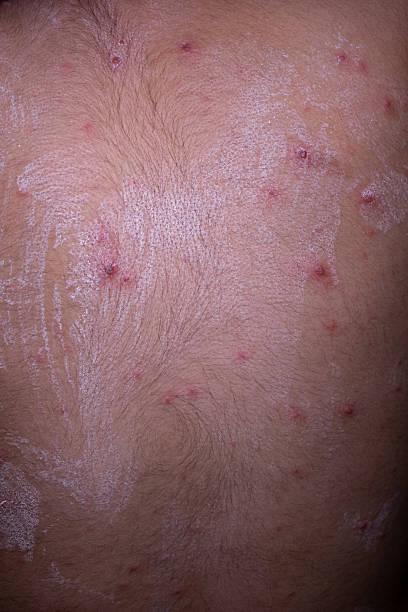
Back acne can leave behind more than occasional breakouts. Even after pimples disappear, many people experience dark spots, uneven skin tone, and visible scars that affect their confidence. These marks can develop when inflammation damages the skin or triggers excess pigment production. Understanding How to Treat Back Acne and Its Effects? can help you choose suitable skincare treatments and professional solutions for smoother, healthier-looking skin. With consistent care and the right approach, the appearance of back acne scars and dark spots can gradually improve.
Learning how to treat back acne and its side effects is important because different types of acne marks require different treatments. Some people develop flat brown or dark spots, while others experience depressed scars or raised areas caused by changes in collagen production. Identifying the type of skin concern is the first step toward selecting an effective treatment and preventing further damage.
Understanding Back Acne Scars and Dark Spots
Back acne, commonly known as bacne, develops when hair follicles become clogged with oil, dead skin cells, and bacteria. Hormonal changes, sweating, friction from clothing, and excess oil production can contribute to breakouts. When these pimples become inflamed or are repeatedly picked, they may leave behind noticeable marks.
What Causes Dark Spots After Back Acne?
Dark spots often develop because of post-inflammatory hyperpigmentation. This happens when inflammation stimulates the skin to produce additional melanin, leaving brown, reddish, or darker patches after a breakout heals. These marks are usually flat and may gradually fade with appropriate skincare and sun protection.
Why Does Back Acne Leave Scars?
Deep or inflamed acne can damage the skin's natural structure and affect collagen production. This may result in depressed scars, uneven texture, or raised scars. Unlike flat pigmentation, structural acne scars generally require professional treatments to improve their appearance.
Effective Ways to Treat Back Acne Scars and Dark Spots
Treating back acne marks requires patience and an approach that addresses both pigmentation and skin texture. The most suitable option depends on the severity of the marks, skin type, and whether active acne is still present.
Use Skincare Products With Active Ingredients
Certain skincare ingredients can help improve the appearance of dark spots and prevent clogged pores. Salicylic acid helps exfoliate inside pores and reduce acne-causing blockages. Niacinamide may support the skin barrier and improve uneven pigmentation, while azelaic acid can help reduce inflammation and the appearance of post-acne discoloration.
Retinoids may also support skin renewal and help improve acne-related pigmentation over time. However, these ingredients should be introduced carefully to avoid irritation, particularly on sensitive skin.
Consider Chemical Peels
Chemical peels use specially formulated acids to exfoliate the outer layers of the skin. Ingredients such as glycolic acid, salicylic acid, and lactic acid may help improve uneven skin tone, clogged pores, and superficial acne marks. Professional peels can be adjusted according to individual skin concerns and should be performed under qualified supervision.
Explore Laser Skin Treatments
Laser treatments may help address stubborn pigmentation, uneven skin tone, and certain types of acne scars. Depending on the technology used, laser procedures can target excess pigmentation or stimulate collagen production to improve skin texture. A professional assessment is important because unsuitable laser settings may worsen pigmentation, particularly in darker skin tones.
Try Microneedling for Acne Scars
Microneedling is a professional skin treatment that uses fine needles to create controlled micro-injuries. This process stimulates the skin's natural healing response and collagen production. It may help improve the appearance of certain depressed acne scars and uneven texture. Multiple sessions may be recommended depending on the condition of the skin.
Daily Habits to Prevent Back Acne Marks
Professional treatments work best when supported by consistent skincare habits. Showering after exercise, changing out of sweaty clothing, and wearing breathable fabrics can help reduce irritation and clogged pores. Using gentle, non-comedogenic body products may also help prevent new breakouts.
Avoid squeezing or scratching back acne because this can increase inflammation and the likelihood of scarring. Regularly washing workout clothes and changing bed linens can help maintain better skin hygiene. Applying sunscreen when the back is exposed to sunlight is equally important because UV exposure can make dark spots more noticeable and slow the improvement of pigmentation.
When Should You Consider Professional Treatment?
If dark spots remain visible for several months, acne scars affect your skin texture, or repeated breakouts continue despite regular skincare, professional evaluation may be helpful. A qualified skincare professional can determine whether the concern involves pigmentation, active acne, or permanent scarring.
The treatment plan may include chemical peels, laser procedures, microneedling, or a combination of approaches. Not every treatment is suitable for every skin type, so an individualized assessment helps reduce the risk of irritation and unwanted pigmentation.
Frequently Asked Questions
How long does it take for back acne dark spots to fade?
Dark spots may take several months to fade, depending on their depth, skin type, and skincare routine. Consistent treatment and sun protection can help improve their appearance.
Can back acne scars disappear completely?
Some superficial acne marks may fade significantly over time. However, deeper or raised scars may require professional treatments, and complete removal cannot always be guaranteed.
Is microneedling effective for back acne scars?
Microneedling may improve certain types of depressed acne scars by stimulating collagen production. The number of sessions required depends on scar depth and individual skin response.
Can chemical peels remove dark spots on the back?
Chemical peels can help improve superficial pigmentation and uneven skin tone. The appropriate peel depends on skin sensitivity, pigmentation concerns, and the condition being treated.
How can I prevent new back acne scars?
Avoid picking pimples, maintain a consistent cleansing routine, shower after sweating, and use suitable acne skincare products. Treating active acne early can also reduce the risk of future scarring.
Book Your Consultation at Enfield Royal Clinic
Improving back acne scars and dark spots starts with understanding your skin and choosing the right treatment. At Enfield Royal Clinic, you can explore professional skin treatment options based on your individual concerns and skin condition. Book a consultation to discuss suitable approaches for improving uneven skin tone, reducing visible acne marks, and achieving smoother-looking skin.
❤️ Support Friends Aim! View a sponsored ad to help cover our website costs. Thanks!
Support Us — Ad 1 Support Us — Ad 2- Arts, Culture & Design
- Automotive & Transport
- Accounting & Finance
- Advertising & Marketing
- Agriculture & Farming
- Business & Consulting
- Books & Publishing
- Building & Construction
- Beauty & Personal Care
- Baby, Kids & Parenting
- Charity & Social Causes
- Crafts & Handmade
- Careers & Jobs
- Computers & Laptops
- Consumer Electronics
- Entertainment & Events
- Food & Beverages
- Delivery & Logistics
- Digital Media & Content
- Dating & Relationships
- E-Commerce & Retail
- Education & Learning
- Energy & Environment
- Fitness
- Fashion & Apparel
- Gaming & Toys
- Government & Legal
- Gardening
- Health & Medical Care
- Home Decor & Furniture
- IT & Software
- Industrial & Tools
- Import & Export
- Jewelry & Watches
- Lifestyle & Wellness
- Legal Services & Law
- News & Media
- News & Current Affairs
- Religion & Faith
- Sports
- Technology
- Travel & Tourism
- Weddings & Events
- Other

 Arabic
 French
 Spanish
 Portuguese
 Deutsch
 Turkish
 Dutch
 Italiano
 Russian
 Romaian
 Portuguese (Brazil)
 Greek