


❤️ Support Friends Aim! View a sponsored ad to help cover our website costs. Thanks!
Support Us — Ad 1 Support Us — Ad 2 About
 Terms
 Privacy
How Can Calgary Athletes Recover From Sports Injuries?
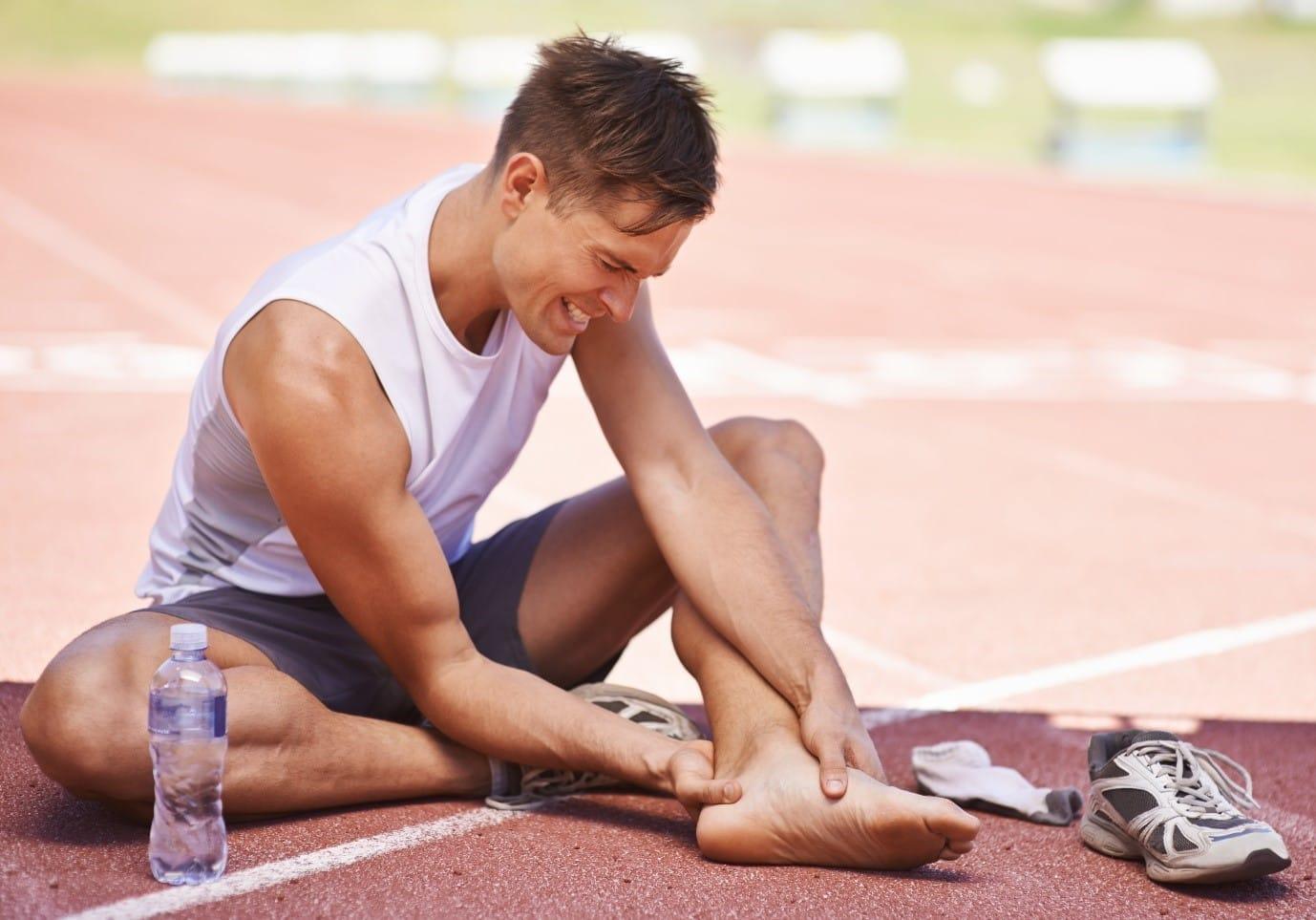
An injury can feel like a heavy blow to any athlete. Plans change and routines vanish. Yet recovery is possible with the right approach. Patience and structure make the difference. This guide explains how to heal well and return strong.
Start With Proper Assessment
The first step is to know what you are dealing with. Pain alone does not reveal the cause. A trained professional can examine the injured area. They test movement, strength, and stability. They may suggest imaging if needed.
An accurate diagnosis guides treatment. It tells you what to protect and what to train. It also gives a realistic timeline. Guessing can lead to wasted effort or harm. Early assessment saves time in the long run.
Do not delay if you notice severe symptoms. Heavy swelling, deformity, or inability to bear weight need urgent care. Sudden weakness or numbness also demands attention. Safety comes before sport. Get checked and follow the advice.
Manage Pain and Swelling Early
The first days after an injury matter. Your goal is to protect the area and limit swelling. Rest from painful activities. Gentle movement within comfort can help. Complete immobilisation often slows recovery.
Modern advice favours a balanced approach. Protect the injury, but keep moving where safe. Elevation and compression can ease swelling. Cold may soothe pain for short periods. Follow the guidance of your healthcare provider.
Avoid heavy alcohol and aggressive massage early on. These can increase bleeding and swelling. Pain medication should follow medical advice. Never mask pain to keep playing. Hiding pain can turn a small problem into a large one.
Restore Movement Gradually
Once the early phase passes, movement becomes the focus. Stiff joints and tight muscles limit recovery. Gentle range-of-motion exercises help. They keep tissues supple and encourage healing. Pain should stay mild and tolerable.
Progress slowly from simple to complex tasks. Start with controlled movements in a safe position. Add weight bearing and then dynamic actions. Each step prepares you for the next. Rushing invites setbacks.
Your therapist will show you exercises suited to your injury. Perform them regularly. Short, frequent sessions are often best. Keep notes on how you feel afterward. This information helps adjust the plan.
Rebuild Strength and Control
Strength is the heart of recovery. Injured areas lose muscle quickly. Weak muscles cannot protect joints well. Rebuilding them reduces pain and reinjury risk. It also restores performance.
Start with light resistance and focus on form. Increase load as you tolerate it. Include the whole limb and the trunk. A strong core supports almost every athletic action. Balanced strength keeps your body efficient.
Control matters as much as raw strength. Balance and coordination drills train the nervous system. They teach muscles to fire at the right time. This protects joints during fast movement. Many injuries recur because control was not restored.
Work With a Sports Physiotherapy Calgary Specialist
Guided rehabilitation tends to give better results than going alone. A skilled therapist designs a plan around your sport. They monitor progress and change the plan when needed. Many athletes choose sports physiotherapy Calgary care for this level of support. It brings expertise, accountability, and clear structure.
Therapists also correct faulty movement patterns. They may notice that you land stiffly or favour one side. They then retrain these habits. This reduces the chance of repeat injury. It also improves efficiency.
They keep you informed as well. You learn what each stage is for. You understand why certain activities wait. This knowledge builds patience. It also builds trust in the process.
Keep Your Fitness Up Safely
Staying fit while injured is possible. Choose activities that do not stress the healing area. A runner with a foot injury might swim or cycle. A player with a shoulder problem can train the legs. Your therapist can suggest safe options.
This keeps your heart and lungs strong. It also maintains muscle in uninjured areas. Returning to sport becomes easier. The mental boost is valuable too. You feel active and in control.
Avoid doing too much too soon. Fatigue can increase injury risk. Listen to pain and stop when needed. Balance effort with rest. Quality matters more than quantity.
Fuel and Rest for Healing
Healing needs energy and nutrients. Eat enough protein to support tissue repair. Include fruits and vegetables for vitamins and minerals. Whole grains provide steady energy. Do not cut calories sharply during recovery.
Hydration also matters. Calgary’s dry climate can increase fluid needs. Drink water through the day. Limit excess alcohol, which can impair recovery. Ask a registered dietitian for tailored advice.
Sleep is a powerful healing tool. Most tissue repair happens at night. Aim for seven to nine hours. Keep a regular schedule and a calm bedroom. Good sleep also helps mood and focus.
Look After Your Mind
Injury can stir strong emotions. You may feel angry, sad, or restless. You may fear losing fitness or your spot. These feelings are common. They do not mean you are weak.
Set small, clear goals to maintain motivation. Celebrate each milestone. Keep a simple journal of progress. Talk with teammates, friends, or family. Support makes recovery easier.
If low mood lingers, seek help. A doctor or counsellor can offer strategies. Mental health is part of athletic health. Treat it with the same care as a physical injury. Reaching out is a strength.
Return to Sport Safely
Returning to sport should follow clear criteria. Pain should be minimal or absent. Strength and range of motion should be close to normal. You should perform sport movements with confidence. Your therapist can test these areas.
Start with light training. Reduce intensity and volume at first. Add contact, speed, and competition gradually. Monitor how your body responds the next day. Increase load only if symptoms stay calm.
Do not skip warm-ups. Prepare your body every time. Continue strength work through the season. Maintenance prevents decline. Many athletes keep their rehab exercises as part of regular training.
Learn From the Injury
Every injury offers lessons. Ask what contributed to it. Maybe training load rose too fast. Maybe sleep or nutrition suffered. Maybe technique needed work. Honest answers guide change.
Adjust your plan accordingly. Build rest days into your week. Increase training by modest steps. Seek coaching on technique. Use gear that fits you well.
Share what you learn with teammates. Prevention is stronger in a supportive group. Coaches can also adapt practice plans. A culture of care keeps everyone healthier. It makes sport more enjoyable.
Final Thoughts
Calgary athletes can recover well from sports injuries with the right approach. Start with an accurate diagnosis and early care. Restore movement, then rebuild strength and control. Support healing with food, rest, and a positive mindset.
Return gradually and keep preventive habits. Expert guidance makes each step clearer. Patience pays off in lasting results. Your body can adapt and grow stronger. Trust the process and keep moving forward.
❤️ Support Friends Aim! View a sponsored ad to help cover our website costs. Thanks!
Support Us — Ad 1 Support Us — Ad 2- Art & Design
- Automotive & Transport
- Accounting & Finance
- Advertising & Marketing
- Agriculture & Farming
- Apps, Software & AI
- Business & Consulting
- Books & Publishing
- Building & Construction
- Beauty & Personal Care
- Baby & Kids Products
- Charity & Social Causes
- Careers & Jobs
- Computers & Laptops
- Consumer Electronics
- Crafts & Handmade
- Crafts
- Entertainment & Events
- Food & Beverages
- Data Science & IT
- Delivery & Logistics
- Digital Media & Content
- Dating & Relationships
- E-Commerce & Retail
- Education & Learning
- Energy & Environment
- Film & Television
- Fitness & Sports
- Fashion & Apparel
- Financial Services
- Gaming & Consoles
- Government & Legal
- Gardening
- Health & Medical Care
- Home Decor & Furniture
- IT & Software
- Industrial & Tools
- IT & Web Services
- Import & Export
- Jewelry & Watches
- Literature
- Lifestyle & Wellness
- Legal Services & Law
- Luxury & Premium Goods
- News & Media
- News & Current Affairs
- Other
- Religion & Faith
- Tech & Telecom
- Travel & Tourism
- Weddings & Events
❤️ Support Friends Aim! View a sponsored ad to help cover our website costs. Thanks!
Support Us — Ad 1 Support Us — Ad 2
 Arabic
 French
 Spanish
 Portuguese
 Deutsch
 Turkish
 Dutch
 Italiano
 Russian
 Romaian
 Portuguese (Brazil)
 Greek