


Instructional Leadership and Strong Leadership: Building Better Schools Through Effective Leadership
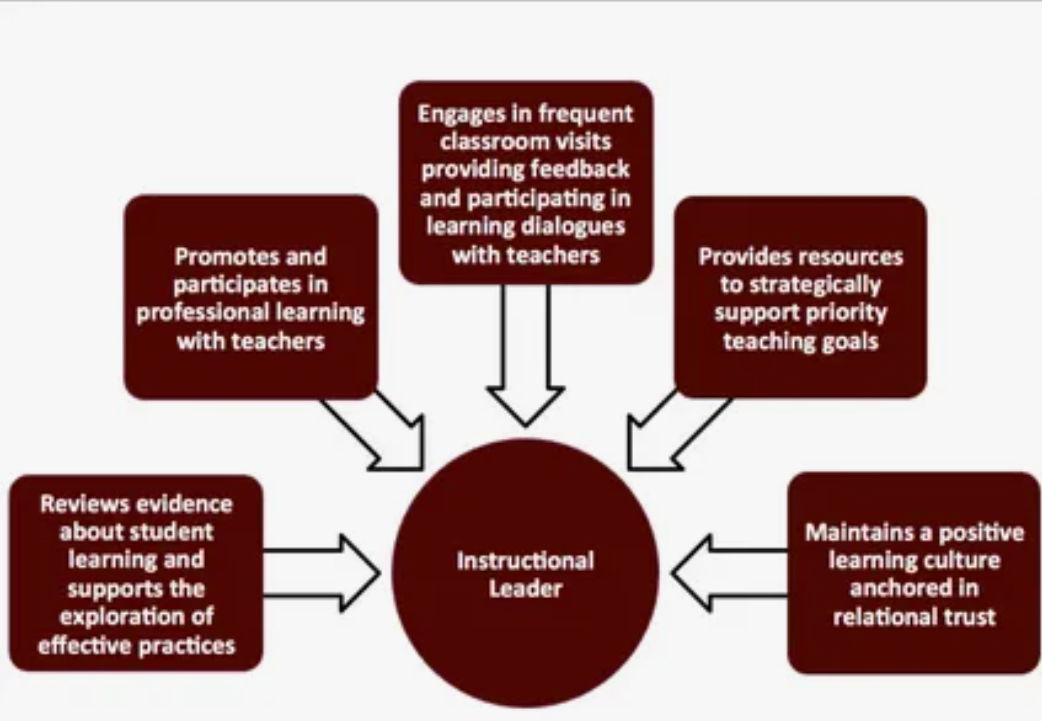
Effective leadership plays an important role in creating successful schools and supporting meaningful learning. While school leaders have many responsibilities, their influence goes beyond managing schedules, budgets, and daily operations. Strong leaders help teachers grow, encourage collaboration, create a positive school culture, and keep student learning at the center of important decisions. This is where instructional leadership and strong leadership become especially valuable.
Instructional leadership focuses on improving teaching and learning. Strong leadership provides the vision, communication, consistency, and support needed to turn that focus into meaningful action. When these two approaches work together, schools can create environments where teachers feel supported and students have better opportunities to succeed.
What Is Instructional Leadership?
Instructional leadership is a leadership approach centered on teaching, learning, and student development. Instead of focusing only on administrative responsibilities, instructional leaders actively support the instructional process.
An instructional leader may work with teachers to examine lesson plans, discuss student progress, review classroom practices, identify areas for professional development, and encourage the use of effective teaching strategies. The goal is not simply to evaluate teachers but to help create better learning experiences for students.
Instructional leadership also involves understanding what happens in classrooms. Leaders who spend time listening to teachers and observing learning environments can gain a clearer understanding of both challenges and opportunities within a school.
The Connection Between Instructional Leadership and Strong Leadership
Instructional leadership requires many of the same qualities associated with strong leadership. A leader needs a clear vision, good communication skills, sound decision-making, accountability, and the ability to build trust.
However, strong leadership is not about controlling every decision. Effective leaders understand when to guide, when to listen, and when to give others opportunities to lead.
For example, a principal may establish a school-wide goal related to improving reading achievement. Instead of simply telling teachers what to do, the leader can bring educators together, examine available information, discuss classroom experiences, and develop practical strategies as a team.
This approach creates shared responsibility. Teachers understand the purpose behind the goal and have an opportunity to contribute to the solution.
Creating a Culture of Collaboration
One of the most important responsibilities of a strong instructional leader is creating a culture where collaboration is encouraged.
Teachers often have different experiences, strengths, and perspectives. When they have opportunities to share ideas, examine instructional practices, and discuss student needs, the entire school community can benefit.
Professional learning communities, teacher teams, mentoring programs, and collaborative planning sessions can provide useful opportunities for this work.
A strong leader makes collaboration meaningful rather than treating it as another administrative requirement. Meetings should have clear purposes and allow educators to discuss real instructional challenges.
When teachers feel that their ideas are valued, they may become more willing to experiment with new approaches, ask questions, and learn from their colleagues.
Supporting Teacher Development
Teacher development is another important part of instructional leadership. Teachers, like students, continue learning throughout their careers.
Professional development can help educators strengthen classroom strategies, understand new instructional approaches, use technology effectively, and respond to changing student needs. However, professional development is most useful when it connects directly to the challenges teachers face.
Strong leaders can help identify professional learning needs through classroom observations, teacher conversations, student work, and other forms of information. They can then support opportunities that are relevant and practical.
Instructional leadership also recognizes that professional growth does not happen through occasional workshops alone. Coaching, mentoring, peer collaboration, reflection, and ongoing feedback can provide continued support.
Using Information to Guide Decisions
Strong instructional leaders use information to understand what is happening in their schools. Student performance data can provide useful information, but it should not be the only source considered.
Leaders can examine assessment results, attendance patterns, student work, classroom observations, teacher feedback, and other relevant information. Looking at several sources can provide a broader picture of student and teacher needs.
The purpose of using information should be improvement rather than blame.
If students are struggling with a particular skill, a leader can work with teachers to identify possible causes and explore instructional responses. This creates a cycle of reflection and improvement.
Building Trust With Teachers
Trust is a foundation of strong leadership. Teachers are more likely to participate openly in improvement efforts when they believe their leaders will listen to them and treat them fairly.
Building trust takes time. Leaders can demonstrate trustworthiness through consistent communication, transparency, respectful conversations, and follow-through.
Instructional leaders should also recognize the expertise teachers bring to their work. A principal or school administrator does not need to have every answer. Strong leadership can mean creating the conditions in which educators work together to find effective solutions.
When teachers feel respected and supported, professional relationships can become stronger and school improvement efforts can become more collaborative.
Keeping Students at the Center
The ultimate purpose of instructional leadership is to support student learning and development.
Strong leaders help schools maintain a clear focus on students while considering the many demands placed on educators. This means asking important questions: Are students engaged in learning? Do they have appropriate support? Are instructional strategies meeting different learning needs? What barriers may be affecting student progress?
These questions can help leaders move beyond short-term solutions and think about sustainable improvement.
Student-centered leadership also involves recognizing that students have different backgrounds, interests, abilities, and learning needs. Effective school leadership creates space for teachers to respond thoughtfully to these differences.
The Role of Communication in Strong Leadership
Communication affects nearly every aspect of school leadership. Leaders need to communicate expectations clearly, explain decisions, listen to concerns, and share progress.
Poor communication can create confusion and resistance, even when a school initiative has a worthwhile purpose. Strong communication helps people understand not only what is changing but also why the change matters.
Instructional leaders should communicate with teachers, students, families, and other members of the school community. Different groups may need different types of information, but the central message should remain clear: the school is working together to support learning.
Developing Future Leaders
Strong leadership also means developing leadership capacity throughout the school.
A school does not have to depend on one person for every important decision. Teachers can lead professional learning, mentor colleagues, coordinate instructional teams, support new initiatives, or contribute to school improvement planning.
Providing these opportunities helps educators develop leadership skills and creates a stronger professional community.
Instructional leadership therefore becomes a shared responsibility rather than the work of a single administrator.
Overcoming Challenges
School leaders often face challenges such as limited resources, competing priorities, staff concerns, changing expectations, and different student needs. Strong leadership does not eliminate these challenges, but it can help schools respond to them in an organized and thoughtful way.
Leaders can establish priorities, communicate realistic expectations, listen to concerns, and make adjustments when evidence shows that a strategy is not working as intended.
Flexibility is especially important. A strong leader can maintain a clear purpose while remaining open to better ideas and changing circumstances.
Conclusion
Instructional leadership and strong leadership are closely connected approaches that can help schools create stronger learning environments. Instructional leadership keeps teaching and student learning at the center, while strong leadership provides the vision, trust, communication, collaboration, and accountability needed to support improvement.
Effective leaders do more than manage schools. They support teachers, encourage professional growth, use information thoughtfully, build collaborative cultures, and keep students at the heart of decision-making.
When leadership is focused on continuous learning and shared responsibility, teachers can have greater opportunities to grow and students can benefit from more intentional and supportive learning environments. The result is a school culture where leadership is not simply about having authority—it is about helping people work together toward meaningful educational goals.

 English
 Arabic
 French
 Spanish
 Portuguese
 Deutsch
 Turkish
 Dutch
Dutch
 Russian
 Romaian
 Portuguese (Brazil)
 Greek
Greek