


 About
 Terms
 Privacy
How an Online Game Development Company Turns Game Ideas Into Reality
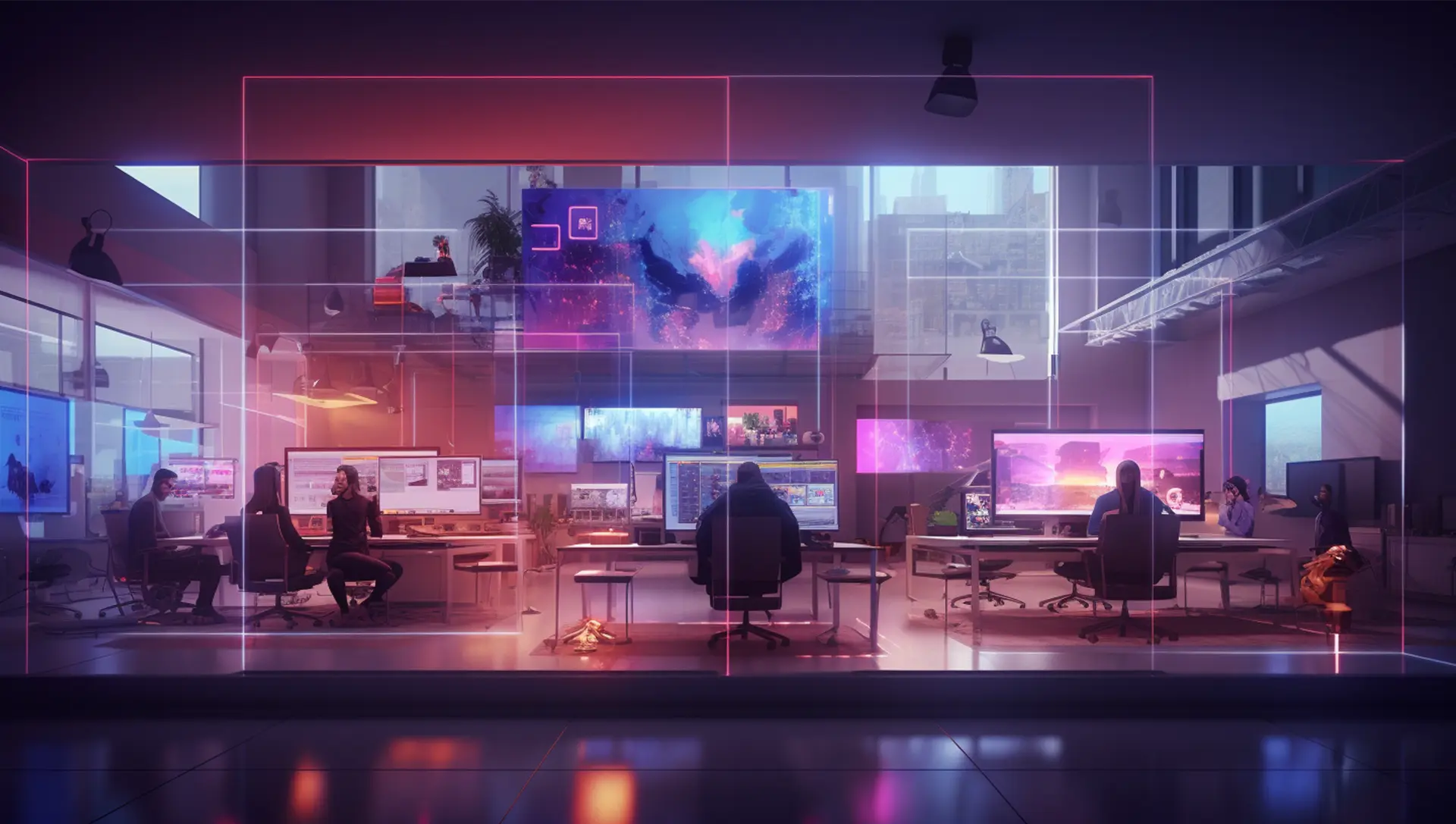
The gaming industry has transformed into a dynamic digital landscape where creativity, technology, and interactive storytelling come together to deliver unforgettable experiences. From casual mobile games and browser-based adventures to competitive multiplayer environments, modern games offer endless opportunities for businesses, entrepreneurs, and gaming enthusiasts. However, turning an exciting idea into a fully functional game requires more than imagination. It demands strategic planning, technical expertise, creative design, and a structured development process.
This is where an online game development company plays an important role. By combining innovative concepts with advanced development technologies, professional game developers help transform initial ideas into engaging digital experiences that players can enjoy across different platforms.
Whether you want to create a multiplayer adventure, a real-time strategy game, or an interactive gaming platform, understanding the development journey can help you make informed decisions. In this article, we explore how professional development teams take a game concept from its earliest stages to a successful launch.
1. Understanding the Game Idea and Vision
Every successful game begins with an idea. It might be a unique gameplay mechanic, an engaging storyline, a competitive multiplayer concept, or a simple game designed to entertain players during short breaks. Regardless of its size or complexity, the idea needs a clear direction before development begins.
The first step involves understanding the client's vision, target audience, business objectives, and expectations. Developers work closely with stakeholders to identify what makes the proposed game different and why players would want to engage with it.
During this stage, the team discusses several important aspects:
- Game genre: Whether the project involves action, adventure, simulation, strategy, puzzle, or casual gameplay.
- Target audience: The age groups, interests, preferences, and gaming habits of potential players.
- Platform selection: Whether the game will run on mobile devices, desktop computers, web browsers, consoles, or multiple platforms.
- Core mechanics: The main actions, challenges, rewards, and interactions that define the gaming experience.
- Business objectives: Whether the game will generate revenue through subscriptions, in-app purchases, advertising, or other models.
This discovery process helps establish a shared understanding between the client and the development team.
Instead of immediately starting production, developers evaluate the concept's feasibility and identify potential challenges. This early collaboration creates a strong foundation for the remaining stages and reduces the risk of costly changes later.
2. Conducting Market Research and Planning
A creative concept is important, but understanding the gaming market is equally essential. Before investing heavily in development, teams need to evaluate whether the idea has a clear audience and a realistic path to success.
Market research helps identify competing games, popular gameplay trends, player expectations, and opportunities for differentiation. Developers and game designers examine similar titles to understand which features attract players and which areas may offer room for improvement.
For example, if a business wants to launch an online multiplayer racing game, the team might analyze existing racing titles, control systems, customization options, multiplayer modes, and player retention features.
The purpose is not to copy successful competitors. Instead, it is to identify valuable insights that can make the new game more appealing and distinctive.
Once the research is complete, the team develops a project roadmap outlining the major development stages, estimated budget, resource requirements, and expected timeline.
The roadmap may divide the work into concept development, prototyping, production, testing, deployment, and maintenance.
A well-planned project gives everyone a clear understanding of their responsibilities and helps keep the development process organized.
3. Creating the Game Design Document
After establishing the concept and project scope, developers typically create a Game Design Document (GDD). This document serves as a blueprint that explains how the game will work and what the team needs to build.
It brings together the creative, technical, and functional elements of the project in one organized reference.
A comprehensive design document may include:
- Storyline, characters, and world-building details.
- Core gameplay mechanics and player objectives.
- Levels, missions, challenges, and progression systems.
- User interface and navigation requirements.
- Art direction, animations, and sound design.
- Multiplayer features and communication systems.
- Monetization methods and reward structures.
- Technical requirements and platform specifications.
For an online game, the document may also describe matchmaking, player accounts, leaderboards, social interactions, and other connected features.
The GDD helps designers, programmers, artists, and testers work toward the same vision. It also makes it easier to identify missing features or conflicting requirements before they become expensive problems.
Although the document may evolve during development, having a clear initial specification gives the project a reliable starting point.
4. Designing Characters, Environments, and User Interfaces
Visual design plays a major role in attracting players and establishing a game's identity. Once the main concept is approved, artists and designers begin creating the visual elements that bring the game world to life.
Depending on the project, this may include character designs, environments, objects, backgrounds, visual effects, animations, and interface elements.
For a fantasy adventure game, artists might create detailed landscapes, unique creatures, and immersive environments. A casual puzzle game, on the other hand, may require colorful illustrations, simple animations, and a clean interface.
The visual direction should reflect the intended audience and gameplay experience.
User interface (UI) and user experience (UX) design are equally important. Players should be able to understand menus, access settings, manage accounts, and navigate the game without unnecessary confusion.
In multiplayer environments, the interface may also need to display player status, team information, matchmaking progress, chat features, and in-game notifications.
Designers often create wireframes and interactive mockups before implementing the final interface. These early representations allow stakeholders to review the layout and suggest improvements.
By refining visual and interactive elements before full production, the team can create a more consistent and enjoyable player experience.
5. Selecting the Right Game Development Technology
Behind every engaging game is a technical foundation that determines how it performs, connects with players, and supports future growth.
A professional development team selects technologies based on the game's requirements rather than relying on a single tool for every project.
Game engines such as Unity and Unreal Engine are widely used for developing interactive experiences. Unity supports a broad range of mobile, desktop, and other platform projects, while Unreal Engine offers powerful tools for high-fidelity 3D graphics and complex environments.
For browser-based games, technologies such as HTML5, JavaScript, and WebGL may be appropriate, depending on the required features and performance targets.
The development team also evaluates backend technologies, databases, networking frameworks, and cloud infrastructure when the game requires online connectivity.
Important considerations include:
- Performance across supported devices.
- Compatibility with target platforms.
- Development cost and available resources.
- Multiplayer networking requirements.
- Security and data management.
- Scalability for future growth.
Choosing the right technology early helps avoid unnecessary complexity and ensures that the game can support its intended features.
The goal is to create a stable, efficient foundation that accommodates both the initial release and future improvements.
6. Developing Core Gameplay and Multiplayer Features
Once the design and technical plans are ready, programmers begin implementing the game's essential functionality.
This stage transforms design documents and visual assets into an interactive experience. Developers build movement systems, controls, collision detection, scoring mechanisms, progression systems, and other gameplay features.
The specific tasks depend on the type of game being created.
For a strategy game, programmers may focus on resource management, unit behavior, and tactical systems. For a racing game, they might develop vehicle physics, track interactions, and responsive controls.
Online multiplayer games introduce additional technical requirements.
The team may need to implement player authentication, matchmaking, game sessions, server communication, synchronization, leaderboards, and persistent player profiles.
Real-time games require particular attention to network latency and synchronization. Developers must ensure that players experience consistent gameplay even when their internet connections differ.
Security is another important consideration. Server-side validation, secure communication, and appropriate anti-cheat mechanisms can help protect competitive integrity and reduce opportunities for exploitation.
Rather than building every feature simultaneously, development teams often work in smaller iterations. Each iteration introduces specific functionality that can be reviewed and tested before additional complexity is added.
This approach helps the team identify problems early and steadily move the project toward a playable version.
7. Building and Testing a Game Prototype
Before investing in every planned feature, many teams create a prototype to test the central idea.
A prototype is an early version of the game that demonstrates its most important mechanics. It may use temporary artwork, simplified environments, and limited functionality because its primary purpose is to validate the concept.
For example, a multiplayer battle game might begin with a small arena, basic character movement, simple combat mechanics, and a limited connection system.
The team can then evaluate whether the controls feel responsive, the gameplay is enjoyable, and the technical approach is practical.
Prototyping provides several benefits:
- It reveals potential technical limitations early.
- It helps stakeholders visualize the proposed experience.
- It allows developers to test gameplay assumptions.
- It supports more realistic planning and budgeting.
- It creates opportunities for feedback before full production.
If the prototype reveals problems, the team can refine the concept without redesigning a nearly completed game.
Once the core experience has been validated, developers can proceed with greater confidence and begin expanding the game with production-quality assets and advanced features.
8. Integrating Audio, Animation, and Interactive Effects
A game becomes more immersive when its visual and audio elements work together effectively.
Sound designers create background music, environmental audio, character voices, interface sounds, and feedback effects that respond to player actions. These elements help communicate important events and establish the atmosphere.
Animations add movement and personality to characters, objects, and environments. They can make actions feel more natural, improve visual feedback, and strengthen the connection between players and the game world.
Visual effects, including lighting, particles, transitions, and environmental details, further enhance the experience when used appropriately.
However, quality does not always mean adding more effects. The artistic direction should support the gameplay rather than overwhelm it.
Performance also matters. High-resolution assets, complex animations, and extensive sound libraries must be optimized for the intended devices.
The development team balances visual quality with memory usage, loading times, and frame rates to ensure that the experience remains smooth.
When these elements are carefully integrated, the game feels more polished, responsive, and engaging.
9. Performing Quality Assurance and Performance Testing
Before a game reaches its intended audience, it needs thorough testing. Even small technical problems can affect player satisfaction, especially when a game depends on online connectivity or competitive gameplay.
Quality assurance teams test the game across different scenarios to identify bugs, performance issues, usability problems, and unexpected behavior.
Functional testing checks whether features work correctly. Compatibility testing evaluates performance across supported devices, operating systems, and browsers. Performance testing measures loading times, frame rates, memory usage, and server responsiveness.
For multiplayer projects, testing may include simulated player traffic, connection interruptions, matchmaking behavior, and synchronization under varying network conditions.
Security testing can also help identify weaknesses in account management, data handling, and gameplay systems.
Developers use the results to prioritize fixes, optimize code, and improve stability.
Player feedback is valuable during this stage as well. Testers may discover confusing controls, unbalanced gameplay, or progression systems that feel frustrating.
A structured testing process helps resolve these issues before release and improves the likelihood of delivering a dependable gaming experience.
10. Launching the Game on Target Platforms
After the game has reached the required quality standards, the team prepares it for release.
Deployment requirements depend on the selected platforms. A mobile game may need store listings, screenshots, descriptions, age ratings, and compliance checks. A browser-based game may require web hosting, domain configuration, content delivery optimization, and browser compatibility testing.
For online games, the launch plan must also account for server capacity, account systems, monitoring tools, and support procedures.
The development company may assist with platform-specific builds, submission processes, infrastructure configuration, and final performance checks.
A launch checklist helps ensure that essential systems are ready before players arrive.
The team may also recommend a limited beta release or soft launch. This allows a smaller audience to use the game under real-world conditions and provides valuable information about stability, player behavior, and engagement.
Based on the results, developers can make final improvements before a wider rollout.
A successful launch is not only about making the game available. It is about ensuring that players can access it, understand how it works, and enjoy a reliable initial experience.
11. Providing Post-Launch Support and Continuous Improvements
Game development does not end when the product goes live. Online games require ongoing maintenance to remain stable, secure, and relevant.
After launch, developers monitor performance, investigate reported issues, and release patches when necessary. They may also analyze player feedback and usage patterns to identify opportunities for improvement.
Depending on the game's goals, future updates could introduce new levels, characters, challenges, multiplayer modes, seasonal events, or customization options.
Server capacity may also need to increase as the player base grows. Security updates and compatibility improvements are important for protecting users and supporting newer devices.
Analytics can help the team understand where players spend their time, which features they use, and where they encounter difficulties. These insights should guide improvements while respecting applicable privacy requirements.
Regular updates give players reasons to return and help businesses extend the value of their investment.
A development partner that offers dependable maintenance and technical support can make it easier to manage the game throughout its lifecycle.
Conclusion
Turning a game idea into reality involves a coordinated process that combines creativity, technical planning, software development, visual design, and continuous testing. Each stage contributes to the final experience, from defining the initial concept to maintaining the game after launch.
An experienced online game development company helps bring these elements together by translating your vision into a structured development plan, selecting suitable technologies, building engaging gameplay, and ensuring that the finished product performs reliably.
The key is to choose a partner that understands your objectives, communicates clearly, and treats testing, security, scalability, and long-term support as essential parts of the process.
With a well-defined concept, the right development team, and a thoughtful approach to each stage, your game idea can evolve into an interactive experience that attracts players, delivers value, and creates opportunities for future growth.
❤️ Support Friends Aim! View a sponsored ad to help cover our website costs. Thanks!
Support Us — Ad 1 Support Us — Ad 2- Arts, Culture & Design
- Automotive & Transport
- Accounting & Finance
- Advertising & Marketing
- Agriculture & Farming
- Business & Consulting
- Books & Publishing
- Building & Construction
- Beauty & Personal Care
- Baby, Kids & Parenting
- Charity & Social Causes
- Crafts & Handmade
- Careers & Jobs
- Computers & Laptops
- Consumer Electronics
- Entertainment & Events
- Food & Beverages
- Delivery & Logistics
- Digital Media & Content
- Dating & Relationships
- E-Commerce & Retail
- Education & Learning
- Energy & Environment
- Fitness
- Fashion & Apparel
- Gaming & Toys
- Government & Legal
- Gardening
- Health & Medical Care
- Home Decor & Furniture
- IT & Software
- Industrial & Tools
- Import & Export
- Jewelry & Watches
- Lifestyle & Wellness
- Legal Services & Law
- News & Media
- News & Current Affairs
- Religion & Faith
- Sports
- Technology
- Travel & Tourism
- Weddings & Events
- Other

 Arabic
 French
 Spanish
 Portuguese
 Deutsch
 Turkish
 Dutch
 Italiano
 Russian
 Romaian
 Portuguese (Brazil)
 Greek