


 About
 Terms
 Privacy
Oil Tank Removal in Plaistow, NH: When to Take the Tank Out and What the Job Involves
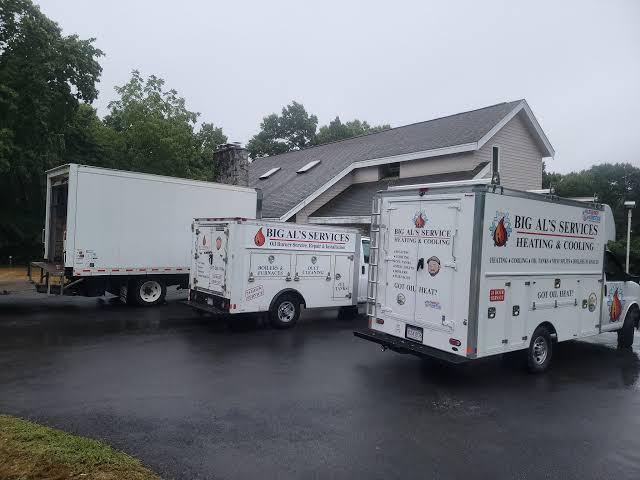
You should remove an oil tank in Plaistow, NH when it is no longer in use, when it is aging or showing signs of leaking, or when you are getting the house ready to sell. The job involves draining any remaining oil, disconnecting the lines, taking the tank out, and handling disposal in line with New Hampshire guidelines. Whether the tank sits in your basement or is buried in the yard changes how much work the job takes.
Most homeowners put the question off until something forces it, such as a home inspection or a smell near the tank. That is understandable, but waiting usually costs more. If you are researching oil tank removal in Plaistow, NH, the useful questions go beyond price. Ask what type of tank you have, what condition it is in, and what paperwork you will receive when the work is finished, because that paperwork often matters long after the crew leaves.
Why Old Oil Tanks Cause Trouble
An oil tank does not fail loudly. Steel tanks can corrode from the inside out, so the damage may be well advanced before anything shows on the surface. When a problem finally appears, it usually shows up as an oily smell, a stain on the floor, or oil in the soil around a buried tank. By that point you are no longer dealing with a tank. You are dealing with a cleanup, and a cleanup can cost far more than removing the tank would have.
An unused tank is not harmless either. A tank left behind after a switch to another fuel still holds whatever oil remains inside it, and it still ages. Many homeowners assume that disconnecting a tank makes it safe to forget. It does not, which is why leaving an old tank in place is rarely a risk worth taking.
When Removal Makes Sense
The most common trigger is a change in heating. A homeowner moves from oil to gas or another system, and the oil tank suddenly has no job to do. Another common trigger is age. A tank that has served for decades is a poor bet to keep serving, even if it has never leaked. The third trigger is a home sale. Buyers, lenders, and inspectors all look for oil tanks, and an abandoned or undisclosed tank can slow or sour a deal. Removing it before you list puts you in a stronger position than negotiating around it afterward.
Some people also inherit the problem. A previous owner leaves a tank in the basement or the yard, and you only learn about it during an inspection. If you are not sure whether a tank exists on your property, an experienced heating contractor can usually tell you where to look.
Above-Ground and Underground Tanks
The tanks most homeowners deal with sit indoors, in a basement, utility room, or garage. Removing one involves safely draining the remaining oil, disconnecting the fuel lines, and carrying the tank out without damaging walls, stairs, or floors. The area is then left clean and ready for whatever comes next, whether that is a new tank, a different heating system, or simply more usable space.
Underground tanks are a different job. The contractor has to locate the tank, excavate carefully, remove it, and assess the surrounding soil. If the soil shows contamination, the next steps depend on how far it extends, and you should hear about that before the work goes further. This is the situation where hiring a contractor who explains each stage matters most, because buried tanks involve more equipment and more unknowns than indoor ones.
When a Tank Is Abandoned in Place
Full removal is not always possible. Access can be difficult, or the tank may sit where digging would put a structure at risk. In those cases a tank can sometimes be abandoned in place, which means it is cleaned, filled, and documented according to New Hampshire Department of Environmental Services guidelines. Abandonment is a specific process with specific requirements, not a shortcut. If a contractor suggests it, ask why removal is not the better option for your property and what documentation you will get.
Paperwork and Selling Your Home
The paperwork is the part most people overlook. When a tank is removed properly, you should receive documentation confirming proper disposal. That record is useful for a real estate sale, for insurance purposes, and for your own files. A buyer who sees documentation of a professional removal has far fewer questions than a buyer who sees an unexplained patch of basement floor.
Ask for the paperwork before the work begins, not afterward. A contractor who handles tank work regularly will tell you exactly what you will receive. A vague answer is a reason to keep looking.
Removing the Old Tank and Installing a New One
Not everyone who removes an oil tank is leaving oil. If you still heat with oil, the removal may be the first half of a replacement. In that case it makes sense to have one contractor handle both, so the old tank comes out and the new one goes in during the same visit instead of across two separate appointments. That also keeps the fuel line connections, the boiler or furnace connection, and the tank location in the hands of one team.
Big Al’s Services is a Plaistow heating and cooling company that is licensed for oil work in New Hampshire and handles tank removal, installation, repair, and replacement. Homeowners in Plaistow and nearby Atkinson, Newton, and Hampstead call for this work, and 24/7 emergency service is available if a tank problem cannot wait.
How to Prepare for the Job
Preparation is simple. Make sure the crew can reach the tank, which means clearing the path to a basement tank and marking the location of a buried one if you know it. Tell the contractor everything you know about the tank, including its size, its age, and whether you have noticed any smells or stains. Ask for a written estimate that states whether disposal and paperwork are included. If the tank is underground, ask what happens if soil testing finds a problem, so the possibility is discussed before the work starts and not after.
The Bottom Line
An oil tank you no longer need, or no longer trust, is worth dealing with before it deals with you. Removal takes the leak risk off the table, simplifies a home sale, and frees up space. The right contractor will identify the tank type, explain the process, follow state guidelines, and give you the paperwork to prove it.
Frequently Asked Questions
How do I know if my oil tank is leaking?
Common signs are an oily smell, a stain on the floor near the tank, or oil in the soil around a buried tank. Because tanks can corrode from the inside, a tank can have trouble before any sign appears, so age alone is a good reason to have it inspected.
What happens to the oil left in the tank?
The contractor drains it as part of the removal. Ask how the oil is handled and what the disposal paperwork will say.
Can an underground oil tank be removed?
Yes. It takes more equipment and care than an indoor tank, since the contractor has to excavate, remove the tank, and assess the soil around it. If contamination is found, the contractor should walk you through the next steps.
Can I replace the tank during the same visit?
Yes, if you are staying with oil. Ask for removal and installation to be quoted together so the work happens in one visit.
❤️ Support Friends Aim! View a sponsored ad to help cover our website costs. Thanks!
Support Us — Ad 1 Support Us — Ad 2- Arts, Culture & Design
- Automotive & Transport
- Accounting & Finance
- Advertising & Marketing
- Agriculture & Farming
- Business & Consulting
- Books & Publishing
- Building & Construction
- Beauty & Personal Care
- Baby, Kids & Parenting
- Charity & Social Causes
- Crafts & Handmade
- Careers & Jobs
- Computers & Laptops
- Consumer Electronics
- Entertainment & Events
- Food & Beverages
- Delivery & Logistics
- Digital Media & Content
- Dating & Relationships
- E-Commerce & Retail
- Education & Learning
- Energy & Environment
- Fitness
- Fashion & Apparel
- Gaming & Toys
- Government & Legal
- Gardening
- Health & Medical Care
- Home Decor & Furniture
- IT & Software
- Industrial & Tools
- Import & Export
- Jewelry & Watches
- Lifestyle & Wellness
- Legal Services & Law
- News & Media
- News & Current Affairs
- Religion & Faith
- Sports
- Technology
- Travel & Tourism
- Weddings & Events
- Other

 Arabic
 French
 Spanish
 Portuguese
 Deutsch
 Turkish
 Dutch
 Italiano
 Russian
 Romaian
 Portuguese (Brazil)
 Greek