


Hotel Kitchen Equipment Suppliers in India: How Spare Parts Planning Can Reduce Unexpected Kitchen Downtime
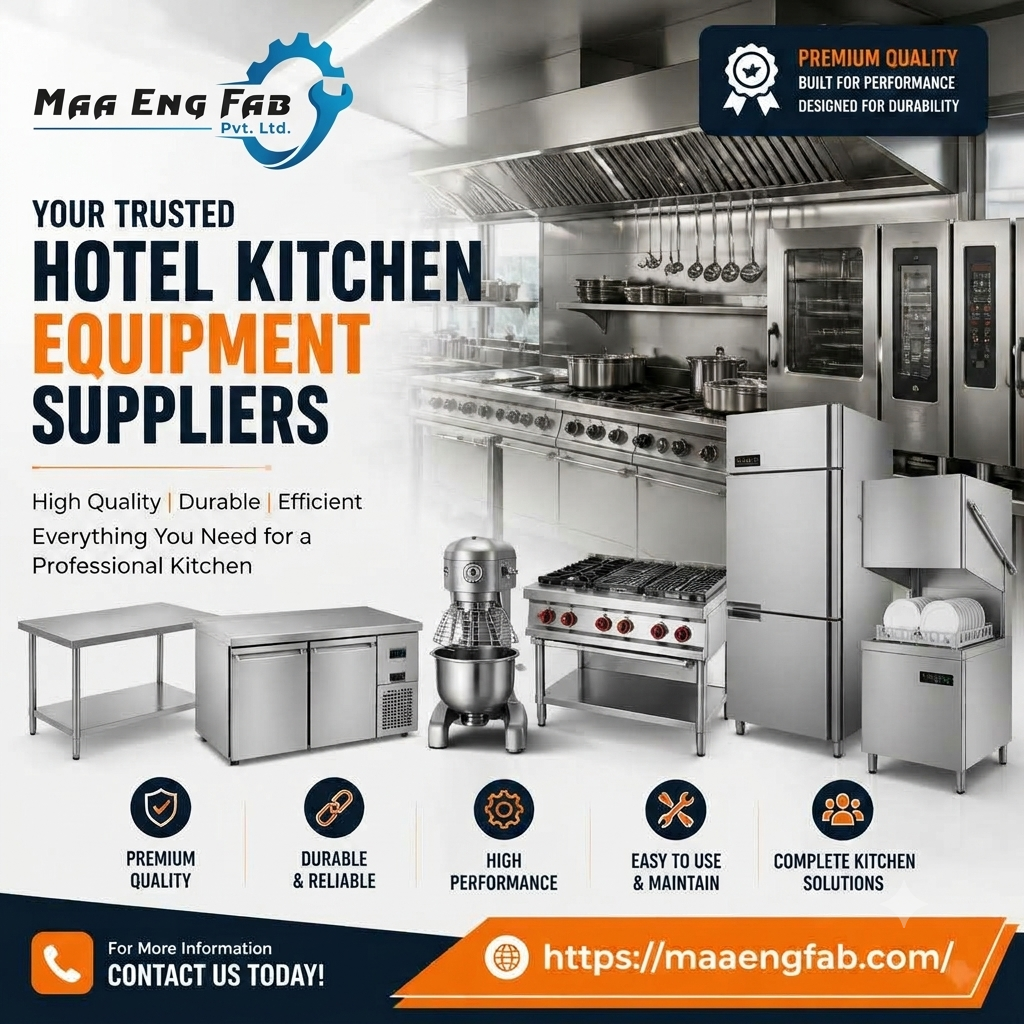
A hotel kitchen is more than a collection of cooking appliances. It is a coordinated operating system where preparation, cooking, refrigeration, storage, washing, ventilation, utilities and staff movement must work together.
Choosing Hotel Kitchen Equipment therefore requires more than comparing product prices or equipment dimensions. The right selection depends on menu requirements, expected meal volume, peak-hour demand, available utilities, kitchen layout, hygiene requirements, maintenance access and future expansion.
For hotel owners, consultants, purchase teams and kitchen project managers, understanding these factors before procurement can help reduce installation changes, workflow problems and avoidable operating costs.
What Is Hotel Kitchen Equipment?
Hotel Kitchen Equipment includes the professional appliances, systems and fabricated units required to prepare, cook, store, clean and serve food in a commercial hospitality environment.
Depending on the hotel's size and food-service model, equipment may include:
- Cooking equipment
- Preparation equipment
- Refrigeration equipment
- Bakery equipment
- Fast-food equipment
- Food storage systems
- Washing equipment
- Exhaust and ventilation systems
- Stainless-steel work tables
- Racks and shelving
- Canteen and service counters
- Dishwashing systems
- Waste-handling equipment
The exact equipment mix should be determined by the kitchen's operational requirements rather than by using the same equipment package for every hotel.
1. Start With the Hotel's Menu and Production Requirements
Equipment selection should begin with the food-production process.
A hotel serving breakfast, lunch, dinner, room service, banquets and speciality cuisine can have very different equipment requirements from a small property with a limited menu.
Before purchasing equipment, the project team should understand:
- Menu categories
- Number of meals expected
- Number of service periods
- Cooking methods
- Preparation volume
- Batch sizes
- Refrigerated storage requirements
- Bakery requirements
- Banquet requirements
- Peak service periods
This information provides the foundation for creating an appropriate equipment schedule.
2. Match Equipment Capacity With Actual Demand
Equipment capacity should be considered against both average and peak demand.
An appliance that appears sufficient during normal operation may become a bottleneck during breakfast rush, lunch service, dinner or large events.
Capacity planning can consider:
- Meals per service
- Batch size
- Production time
- Recovery time
- Number of simultaneous users
- Peak-hour utilisation
- Expected future demand
The goal is not necessarily to select the largest equipment available. Oversized equipment can also increase capital cost, space requirements and utility demand.
The objective is to find equipment capacity that matches the hotel's operational requirements.
3. Understand the Importance of Kitchen Workflow
A well-designed hotel kitchen should allow food, equipment and staff to move through logical stages.
Typical zones may include:
Receiving → Storage → Preparation → Cooking → Plating/Service → Washing → Waste Handling
Equipment placement should support these movements.
For example, preparation equipment should be positioned according to the workflow between storage and cooking. Refrigeration should be accessible to the areas that require frequent ingredient retrieval. Dishwashing should be coordinated with the return flow of used utensils and serviceware.
Good equipment selection without good workflow planning can still produce an inefficient kitchen.
4. Electrical Load Planning
Modern Hotel Kitchen Equipment can include several electrically powered appliances operating simultaneously.
Electrical planning may need to consider:
- Voltage
- Phase
- Connected load
- Operating load
- Peak demand
- Dedicated circuits
- Control requirements
- Earthing
- Protection systems
- Equipment location
The total electrical requirement should be reviewed as part of the complete kitchen plan.
Connected load should not automatically be treated as actual operating demand. The project team should evaluate how equipment will operate during peak periods and coordinate final electrical design with qualified professionals.
5. Gas Load and Cooking Equipment Planning
Gas-fired cooking systems require appropriate planning for the equipment and the overall kitchen.
Important considerations can include:
- Gas type
- Gas pressure
- Burner requirements
- Gas consumption
- Pipeline capacity
- Simultaneous operation
- Isolation arrangements
- Safety provisions
When multiple cooking appliances operate during peak service, the combined demand becomes particularly important.
Equipment specifications should be checked against the planned gas infrastructure before installation.
6. Water and Drainage Requirements
Water-dependent equipment can require careful coordination with plumbing and drainage systems.
Examples include:
- Dishwashers
- Steam-related equipment
- Combi equipment
- Pot-washing systems
- Ice-making equipment
- Food preparation systems
- Washing stations
The project should consider water supply, pressure, temperature requirements where applicable, drainage routes and access for maintenance.
Poor drainage planning can create cleaning difficulties and operational interruptions.
7. Exhaust and Ventilation Planning
Cooking generates heat, vapour, smoke and grease depending on the cooking process.
An effective exhaust and ventilation system should therefore be considered together with the cooking equipment.
The planning process can include:
- Exhaust hood arrangement
- Extraction requirements
- Make-up air
- Heat removal
- Equipment positioning
- Air movement
- Cleaning access
Ventilation requirements should be determined from the actual equipment and kitchen design rather than using a generic assumption.
8. Refrigeration and Cold-Storage Planning
Refrigeration is a critical part of hotel food operations.
The appropriate refrigeration system depends on:
- Ingredient volume
- Menu requirements
- Storage duration
- Kitchen size
- Preparation frequency
- Cold-room requirements
- Chilled and frozen storage needs
Common systems may include upright refrigerators, under-counter refrigeration, freezers, cold rooms and specialised storage systems.
Temperature control, accessibility and maintenance should all be considered during planning.
9. Preparation Equipment
Preparation equipment supports the work that happens before cooking.
Depending on the operation, this may include:
- Vegetable preparation equipment
- Food processors
- Mixers
- Cutting equipment
- Slicing equipment
- Dough preparation equipment
- Work tables
- Preparation sinks
Selection should consider production volume, food types, cleaning requirements and operator workflow.
The equipment should help reduce unnecessary movement while maintaining appropriate hygiene practices.
10. Cooking Equipment
Cooking equipment forms the core of many commercial hotel kitchens.
Depending on the menu, a kitchen may require:
- Cooking ranges
- Burners
- Ovens
- Griddles
- Grills
- Fryers
- Steam equipment
- Combi equipment
- Tilting equipment
- Specialist cooking appliances
The correct combination depends on cooking methods rather than simply the number of appliances available.
11. Bakery and Pastry Equipment
Hotels with dedicated bakery or pastry operations may require a separate equipment planning approach.
Possible equipment includes:
- Planetary mixers
- Spiral mixers
- Dough preparation systems
- Baking ovens
- Proofing equipment
- Refrigerated preparation units
- Work tables
- Storage racks
Production volume, recipe requirements and batch sizes should be evaluated before selecting equipment.
12. Dishwashing and Cleaning Equipment
Cleaning operations are often overlooked during initial equipment planning.
A hotel kitchen may require:
- Dishwashing machines
- Pot-washing areas
- Pre-rinse stations
- Washing sinks
- Drying areas
- Storage racks
- Waste-handling systems
The location of washing equipment should support the movement of used utensils without interfering with clean-food preparation areas.
13. Stainless-Steel Fabrication and Storage
Fabricated equipment provides the working infrastructure around major appliances.
This can include:
- Work tables
- Wall shelves
- Storage racks
- Sink units
- Preparation counters
- Trolleys
- Service counters
- Cabinets
Dimensions, material suitability, cleaning access and workflow should be considered before fabrication.
Custom fabrication can be particularly useful when the kitchen has unusual dimensions or specialised workflow requirements.
14. Hygiene and Sanitation Considerations
Hotel kitchens operate under strict food-handling expectations, making cleanability an important equipment-selection factor.
Equipment should be assessed for:
- Accessible cleaning surfaces
- Suitable construction
- Drainage
- Removable components where applicable
- Reduced dirt-collection areas
- Service accessibility
- Separation of clean and dirty workflows
The equipment design should support the hotel's established hygiene procedures and applicable food-safety requirements.
15. Equipment Compatibility
Individual appliances must work within the wider kitchen system.
Compatibility checks can cover:
- Electrical connections
- Gas connections
- Water supply
- Drainage
- Exhaust
- Dimensions
- Work surfaces
- Service clearance
- Workflow
- Maintenance access
This is particularly important when equipment comes from different manufacturers.
A machine may meet its individual specification but still be unsuitable for a particular location if the surrounding infrastructure cannot support it.
16. Maintenance Access Should Be Planned Before Installation
Maintenance should not be treated as a problem to solve after equipment installation.
Before finalising the layout, consider:
- Service-side access
- Control-panel access
- Component replacement
- Cleaning access
- Utility isolation
- Door opening
- Technician movement
Equipment installed too tightly against walls or other appliances may become difficult to service.
Proper access can help technicians diagnose problems and perform maintenance without unnecessary equipment relocation.
17. Spare Parts and Long-Term Support
Equipment selection should also consider what happens after installation.
Buyers can evaluate:
- Spare-parts availability
- Common wear components
- Service response
- Technical support
- Warranty conditions
- Maintenance documentation
- Equipment model identification
- Replacement-part traceability
A lower initial purchase price may not provide the same long-term operating experience if critical parts or technical support are difficult to obtain.
18. Preventive Maintenance Planning
Preventive maintenance is different from waiting for equipment to fail.
A maintenance program can include:
- Routine inspection
- Cleaning
- Calibration where applicable
- Filter checks
- Electrical inspection
- Gas-system inspection where applicable
- Refrigeration checks
- Drainage inspection
- Exhaust cleaning
- Replacement of specified wear components
Maintenance intervals should follow manufacturer recommendations and the operating environment of the kitchen.
19. Commissioning and Performance Verification
Equipment should be properly checked after installation.
Commissioning can verify:
- Correct installation
- Utility connections
- Equipment operation
- Controls
- Heating or cooling performance
- Water supply
- Drainage
- Exhaust interface
- Safety functions
- Operator understanding
Recording initial operating conditions can also create a useful baseline for future maintenance.
20. Equipment Documentation Matters
Professional equipment procurement should include technical documentation.
Useful documents may include:
- Product specifications
- Dimension drawings
- Utility requirements
- Installation instructions
- Operating manuals
- Maintenance instructions
- Spare-parts information
- Warranty documentation
- Commissioning records
Keeping these documents together can make future maintenance, replacement and kitchen expansion easier.
21. Total Cost of Ownership
The purchase price is only one part of the cost of Hotel Kitchen Equipment.
Long-term cost can be influenced by:
- Energy consumption
- Water consumption
- Maintenance
- Spare parts
- Cleaning
- Downtime
- Technician requirements
- Equipment lifespan
- Replacement frequency
A total-cost perspective can help buyers compare equipment beyond the initial quotation.
22. Planning for Peak-Hour Operations
Hotel kitchens often experience demand fluctuations.
Breakfast, lunch, dinner, banquets and special events can create periods of significantly higher equipment utilisation.
During peak-hour planning, consider:
- Number of simultaneous users
- Cooking batches
- Equipment recovery time
- Refrigeration access
- Dishwashing volume
- Preparation workload
- Utility demand
- Backup requirements
Equipment should be assessed against the hotel's actual operating pattern rather than average demand alone.
23. Future Expansion and Capacity
A hotel kitchen may need to support future changes such as:
- Increased occupancy
- New menu categories
- Additional banquet services
- More room-service orders
- New food outlets
- Kitchen renovation
Leaving appropriate planning flexibility can make future expansion easier.
Future requirements should not be used to justify unnecessary oversizing, but they should be considered when designing utility routes, layout and service access.
24. How to Evaluate Hotel Kitchen Equipment Suppliers
When comparing suppliers, buyers can review more than price.
Important areas include:
Technical capability
Can the supplier provide accurate specifications, drawings and utility information?
Equipment suitability
Does the proposed equipment match the menu, capacity and workflow?
Installation support
Can the supplier coordinate installation and commissioning requirements?
Documentation
Are technical manuals, specifications and maintenance information available?
After-sales support
Is there a clear process for service and spare parts?
Customisation
Can fabricated units or equipment configurations be adapted to the actual kitchen layout where required?
Project coordination
Can the supplier work with consultants, contractors and facility teams during installation?
25. Common Mistakes When Buying Hotel Kitchen Equipment
Some purchasing mistakes can create problems later.
Buying based only on price
The cheapest quotation may not represent the lowest long-term operating cost.
Selecting equipment before understanding the menu
Equipment should support actual food-production requirements.
Ignoring peak demand
Average usage does not always represent real operating conditions.
Forgetting maintenance access
Poor service access can make routine maintenance more difficult.
Underestimating utilities
Electrical, gas, water and exhaust requirements should be reviewed before installation.
Ignoring future requirements
A kitchen designed without reasonable expansion flexibility may become difficult to modify.
Not documenting the final installation
Technical records can be valuable for future maintenance and replacement.
Hotel Kitchen Equipment Selection Checklist
Before finalising equipment, buyers can review:
-
Menu and production requirements
-
Expected daily volume
-
Peak-hour demand
-
Equipment capacity
-
Kitchen workflow
-
Electrical requirements
-
Gas requirements
-
Water requirements
-
Drainage
-
Exhaust and ventilation
-
Equipment dimensions
-
Installation clearances
-
Maintenance access
-
Spare-parts availability
-
Warranty
-
Technical documentation
-
Commissioning requirements
-
Future expansion needs
-
Total cost of ownership
Final Thoughts
Selecting Hotel Kitchen Equipment should be approached as a complete kitchen-planning exercise rather than a simple product-purchasing decision.
The right combination of capacity planning, workflow design, utility assessment, equipment compatibility, installation quality, maintenance access, spare-parts planning and commissioning can help create a more reliable commercial kitchen environment.
For hotels, the most useful equipment decision is not necessarily the appliance with the longest feature list. It is the equipment that fits the kitchen's actual production requirements, utilities, workflow, maintenance strategy and long-term operating plans.
Before finalising a purchase, buyers should therefore compare technical suitability, documentation, installation support, after-sales service and lifecycle considerations alongside the initial equipment cost.
Frequently Asked Questions
What is the most important factor when selecting Hotel Kitchen Equipment?
There is no single factor for every hotel. Menu requirements, production capacity, peak demand, utilities, layout, workflow, maintenance and long-term operating costs should be evaluated together.
What types of equipment are commonly required in a hotel kitchen?
Depending on the operation, a hotel may require cooking, preparation, refrigeration, bakery, washing, storage, ventilation, fabricated stainless-steel and service equipment.
Why is peak-hour capacity important?
Peak periods can create significantly higher demand than average operations. Equipment should be evaluated according to the workload expected during busy service periods.
Why should utilities be checked before purchasing equipment?
Electrical, gas, water, drainage and ventilation requirements need to match the available infrastructure. Checking them early can help prevent installation changes.
How important is maintenance access?
It is highly relevant to long-term serviceability. Equipment should be positioned so that routine inspection, cleaning and repair can be performed appropriately.
Should buyers consider spare parts before purchasing equipment?
Yes. Availability of critical parts and technical service can affect downtime and long-term maintenance planning.
What is equipment commissioning?
Commissioning is the process of verifying that installed equipment and its connections operate according to the intended installation and relevant manufacturer requirements.
How can buyers compare Hotel Kitchen Equipment suppliers?
They can compare technical expertise, equipment suitability, documentation, installation support, commissioning, spare-parts availability, service support and overall lifecycle considerations.
Can hotel kitchen equipment be customised?
Some equipment and fabricated kitchen systems can be configured or customised according to project requirements. The available options depend on the equipment type, manufacturer and technical constraints.
How can a hotel reduce equipment-related downtime?
Proper equipment selection, preventive maintenance, spare-parts planning, technical documentation, correct installation and timely service can help reduce avoidable operational interruptions.


 English
 Arabic
 French
 Spanish
 Deutsch
 Turkish
 Dutch
Dutch
 Italiano
 Russian
 Romaian
 Portuguese (Brazil)
 Greek
Greek