


❤️ Support Friends Aim! View a sponsored ad to help cover our website costs. Thanks!
Support Us — Ad 1Hair Loss Treatment for Sensitive Scalps: Important Considerations
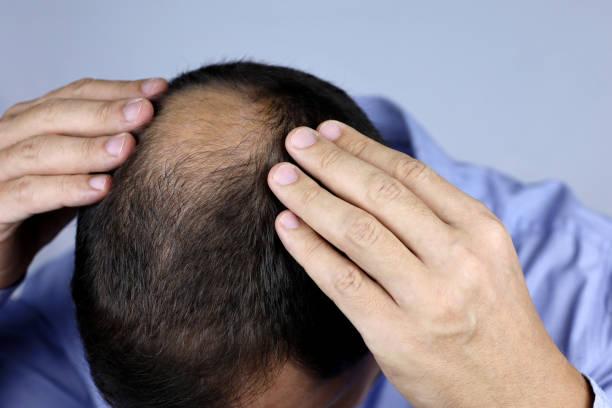
Hair thinning and excessive shedding can be frustrating, particularly when the scalp is sensitive, easily irritated, or prone to itching and redness. Some hair-loss treatments may cause temporary discomfort, while certain scalp conditions can contribute to both irritation and reduced hair density. Understanding these concerns is important when choosing hair treatment riyadh, as an appropriate plan should address the cause of hair loss while protecting scalp comfort. With a professional assessment and suitable hair-care practices, patients can explore treatment options that fit their needs without unnecessarily aggravating sensitive skin.
Understanding Sensitive Scalp Conditions
A sensitive scalp may react to hair-care products, environmental factors, friction, or certain topical medications. Common symptoms include itching, burning, tightness, tenderness, redness, and flaking. These symptoms can occur occasionally or persist depending on the underlying cause.
Sensitivity does not necessarily mean that hair follicles are damaged. However, conditions such as seborrheic dermatitis, eczema, psoriasis, and contact dermatitis can cause scalp inflammation and may require specific care. Scratching or repeated irritation can also damage the hair shaft and contribute to breakage.
If scalp sensitivity develops alongside noticeable hair loss, identifying the underlying condition is an important first step. Treating irritation alone may not address hereditary hair thinning or another medical cause of shedding.
Common Causes of Hair Loss and Scalp Irritation
Reactions to Hair-Care Products
Shampoos, conditioners, styling products, fragrances, dyes, and chemical treatments can irritate the scalp or trigger allergic contact dermatitis in susceptible individuals. Symptoms may include itching, redness, burning, or flaking, sometimes appearing hours or days after exposure.
If you suspect a product is causing a reaction, stop using the suspected non-prescription product and seek advice if symptoms persist. Severe swelling, blistering, or a widespread reaction requires prompt medical attention. Repeatedly trying new products can make it harder to identify the trigger.
Scalp Inflammation and Skin Conditions
Inflammatory scalp conditions can cause discomfort and visible changes to the skin. Seborrheic dermatitis may lead to greasy flakes and itching, while eczema and psoriasis can cause dry, irritated, or scaly patches.
Some inflammatory disorders can damage hair follicles if they remain untreated. Persistent redness, pain, scaling, or areas where the skin appears scarred should therefore be assessed by a qualified healthcare professional rather than managed only with cosmetic products.
Hereditary Hair Thinning
Androgenetic alopecia, also known as hereditary hair loss, can affect people with sensitive scalps as well as those without irritation. It commonly causes gradual thinning around the temples, crown, or central parting.
Because hereditary hair loss and scalp inflammation can occur together, treatment may need to address both issues. A professional can help determine whether the sensitivity is related to a separate skin condition, a product reaction, or a treatment already being used.
Choosing Suitable Hair Loss Treatments for Sensitive Scalps
The most appropriate treatment depends on the cause of hair loss, the severity of scalp sensitivity, and the patient's medical history. Hair Loss Treatment in Riyadh should be tailored to these factors rather than selected solely on the basis of popularity or advertising claims.
Topical Minoxidil
Minoxidil is a topical medication commonly used for certain types of hereditary hair loss. It may help support hair growth and slow further thinning in suitable patients. However, some formulations can cause dryness, itching, redness, or irritation.
The formulation matters because some liquid products contain ingredients that may irritate sensitive skin. A healthcare professional may discuss whether a different formulation is appropriate, but switching products does not guarantee that irritation will resolve.
Use minoxidil only as directed, and do not apply it to broken or severely inflamed skin unless specifically advised by a clinician. Stop using it and seek medical guidance if a significant reaction develops.
Prescription Treatments
Some patients may benefit from prescription medications, depending on the type of hair loss. For example, finasteride may be considered for selected men with hereditary hair thinning, but it can cause side effects and requires a discussion with a qualified clinician.
Prescription options for inflammatory scalp conditions may include treatments specifically intended to control the underlying skin disorder. These differ from medicines used to treat hereditary hair loss. A clinician can determine which treatment addresses the actual cause without exposing the scalp to unnecessary products.
Platelet-Rich Plasma Therapy
Platelet-rich plasma, or PRP, involves collecting a small sample of blood, processing it to concentrate platelets, and injecting the preparation into selected areas of the scalp. It may help some people with hereditary hair thinning, although research findings and treatment protocols vary.
PRP involves injections and can cause temporary tenderness, swelling, or bruising. Active scalp inflammation should be assessed before proceeding. PRP is not a guaranteed treatment and may not be appropriate for every form of hair loss.
Gentle Hair-Care Practices for Sensitive Scalps
A gentle routine can reduce avoidable irritation while supporting overall scalp health. These habits do not treat every cause of hair loss, but they can complement a medically appropriate plan.
-
Choose mild products: Consider fragrance-free products designed for sensitive skin, especially if fragrances have triggered irritation before.
-
Wash according to your needs: Use lukewarm water and avoid aggressive scrubbing or scratching.
-
Limit chemical treatments: Hair dyes, bleaching, relaxing products, and frequent heat styling may worsen irritation or hair breakage.
-
Avoid tight hairstyles: Repeated pulling can contribute to traction alopecia around the hairline and temples.
-
Introduce products cautiously: Avoid starting several new products at once, as this can make reactions harder to identify.
-
Follow treatment instructions: Do not increase medication frequency or apply products more often than directed.
If a product repeatedly causes burning, itching, or redness, discontinue the suspected non-prescription product and seek professional advice before trying another treatment.
The Importance of a Professional Scalp Assessment
A scalp assessment helps distinguish sensitivity caused by a skin condition from irritation associated with hair-loss products or procedures. A clinician may review your symptoms, examine the scalp, and ask about your hair-care routine, medical history, and current medications.
In some cases, further testing may be recommended. For example, blood tests may help identify certain nutritional or hormonal factors, while a scalp examination or biopsy may be considered when an inflammatory or scarring condition is suspected.
Seeking professional guidance is especially important when irritation persists, hair loss progresses quickly, or bald patches develop. Early diagnosis can help prevent unnecessary treatment and guide appropriate care.
What to Expect During Treatment
Hair restoration takes time, and outcomes depend on the underlying diagnosis and selected treatment. Some patients may experience reduced shedding or improved density over several months, while others may need ongoing management to maintain results. Complete regrowth cannot be guaranteed.
For people considering Hair Loss Treatment in Riyadh, follow-up appointments can help assess scalp comfort, monitor progress, and adjust the treatment plan if side effects occur. Taking periodic photographs under consistent lighting may also help track changes in hair density.
Conclusion
Managing hair loss with a sensitive scalp requires attention to both follicle health and skin comfort. Choosing suitable products, avoiding known irritants, and addressing underlying scalp conditions can help reduce discomfort while supporting an appropriate treatment plan. Professional assessment is essential when irritation persists or hair loss worsens.
For personalized guidance, contact Royal Clinic Saudia to arrange a consultation and discuss suitable Hair Loss Treatment in Riyadh options based on your scalp condition, medical history, and hair restoration goals.
❤️ Support Friends Aim! View a sponsored ad to help cover our website costs. Thanks!
Support Us — Ad 1 Support Us — Ad 2❤️ Support Friends Aim! View a sponsored ad to help cover our website costs. Thanks!
Support Us — Ad 1
 Arabic
 French
 Spanish
 Portuguese
 Deutsch
 Turkish
 Dutch
 Italiano
 Russian
 Romaian
 Portuguese (Brazil)
 Greek