


❤️ Support Friends Aim! View a sponsored ad to help cover our website costs. Thanks!
Support Us — Ad 1Preparing for an FUE Hair Transplant: A Practical Guide for Patients
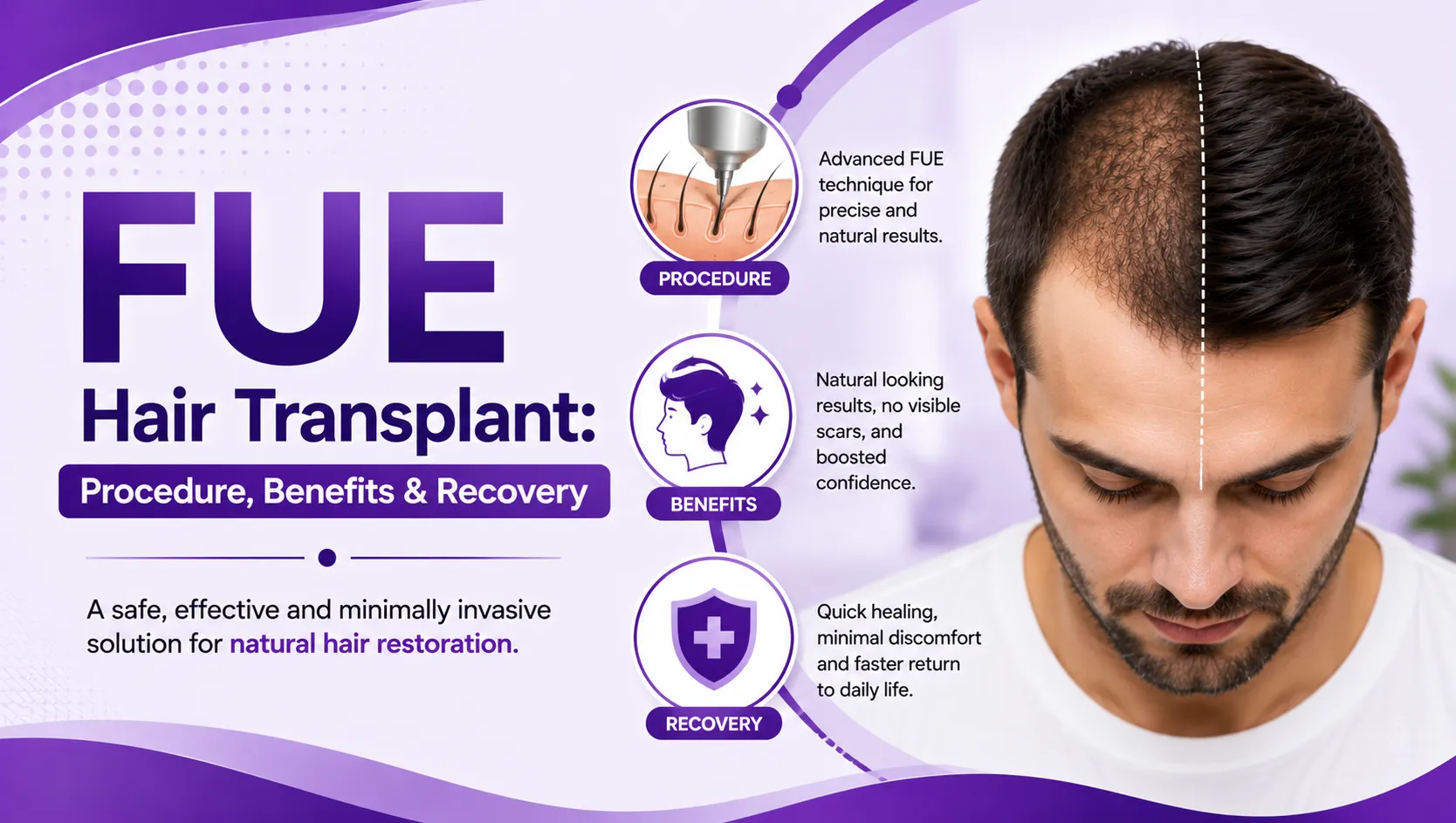
Hair loss can affect people at different ages. For some, a receding hairline is the first noticeable change. Others experience thinning across the scalp or develop bald patches over time. When non-surgical treatments are not enough, a hair transplant may be an option worth exploring.
Follicular Unit Extraction (FUE) is a surgical hair restoration technique that moves individual hair follicles from a donor area to areas with reduced hair density. Understanding the preparation process can help patients approach treatment with realistic expectations.
1. Understand the Cause of Your Hair Loss
Before considering a hair transplant, it is important to identify why your hair is falling out. Male and female pattern hair loss are common causes, but nutritional deficiencies, hormonal changes, scalp conditions, and certain medical problems can also contribute.
A hair transplant is not suitable for every type of hair loss. A qualified medical professional can examine the scalp, review medical history, and recommend further tests when needed.
Identifying the cause helps determine whether surgery, medication, or another treatment approach is appropriate.
2. Schedule a Professional Hair and Scalp Assessment
A consultation helps establish whether FUE hair transplant is suitable for your needs. The surgeon usually evaluates the donor area, hair density, pattern of thinning, and the condition of the scalp.
The assessment should also consider your age and the possibility of future hair loss. This matters because transplanted hair may remain while surrounding natural hair continues to thin.
Patients should discuss their goals openly and ask what level of coverage is realistic. A responsible treatment plan should reflect the available donor hair rather than promise a specific density.
3. Learn How the FUE Procedure Works
During FUE, a surgeon extracts individual follicular units from a donor area, usually at the back or sides of the scalp. These follicles are then implanted into the recipient area.
The procedure generally involves local anaesthesia, follicle extraction, graft preparation, and implantation. Its duration depends on the number of grafts, the complexity of the case, and the clinic's treatment plan.
FUE avoids the long linear incision associated with strip harvesting. However, it still involves surgery and can leave small scars in the donor area.
4. Follow Your Surgeon's Preoperative Instructions
Preparation requirements vary according to a patient's health and the clinic's protocol. Before the procedure, patients should provide a complete medical history and disclose all medicines, supplements, allergies, and previous treatments.
Do not stop prescribed medicines or start supplements without medical advice. Some medicines may affect bleeding or healing, so the surgeon should review them before surgery.
Patients should also ask about smoking, alcohol, scalp washing, and any restrictions before the appointment. Following individualized instructions helps reduce avoidable risks.
5. Plan for Recovery After Surgery
Recovery planning is an important part of the process. The scalp may feel tender, appear red, or develop small scabs after treatment. Temporary swelling can also occur.
Patients should arrange enough time for initial healing and follow the clinic's instructions for sleeping, washing, exercise, and protecting the scalp. Heavy exercise may need to be avoided for a period specified by the surgeon.
It is also important to know when to seek medical advice. Increasing pain, spreading redness, fever, or unusual discharge should be reported promptly.
6. Know What to Expect From Hair Growth
Hair transplant results develop gradually rather than immediately. Transplanted hairs commonly shed during the first few weeks. This is a normal part of the process for many patients and does not necessarily indicate treatment failure.
New growth often begins around three to four months after surgery. Visible changes may continue over six to nine months, with further maturation over 12 months or longer.
The final appearance depends on donor hair quality, graft survival, hair characteristics, and individual healing. Results cannot be guaranteed, and some patients may require ongoing treatment for continuing hair loss.
7. Understand the Cost of FUE Hair Transplant
The price of an FUE procedure depends on several factors. These include the number of grafts required, the surgeon's expertise, the complexity of the procedure, and the facilities and aftercare provided.
When comparing quotations, ask what the fee includes. Confirm whether consultation, medicines, follow-up appointments, and postoperative care are covered.
The cheapest option may not offer the most appropriate care. Patients should prioritize surgeon qualifications, safety standards, transparent pricing, and realistic treatment planning.
8. Choose a Clinic With Appropriate Surgical Expertise
Before booking, verify the surgeon's credentials and ask who will perform the extraction and implantation. Understanding the surgeon's role is especially important because graft handling and placement influence the outcome.
Ask to see relevant before-and-after photographs and discuss potential complications, limitations, and future hair loss. A trustworthy clinic should answer questions clearly without guaranteeing perfect results.
People researching their options can learn more about FUE hair transplant in Pakistan before arranging a professional consultation.
Conclusion
Preparing for an FUE hair transplant involves more than choosing a procedure. Patients should understand the cause of their hair loss, evaluate their suitability, follow medical instructions, and plan for recovery.
FUE can provide long-lasting hair restoration for suitable candidates, but outcomes depend on individual factors and surgical planning. A consultation with a qualified surgeon can help determine whether the procedure fits your needs and expectations.
❤️ Support Friends Aim! View a sponsored ad to help cover our website costs. Thanks!
Support Us — Ad 1 Support Us — Ad 2❤️ Support Friends Aim! View a sponsored ad to help cover our website costs. Thanks!
Support Us — Ad 1
 English
 Arabic
 French
 Spanish
 Portuguese
 Turkish
 Dutch
 Italiano
 Russian
 Romaian
 Portuguese (Brazil)
 Greek