


❤️ Support Friends Aim! View a sponsored ad to help cover our website costs. Thanks!
Support Us — Ad 1Orion CM654: How to Improve Speaker Output, Sharpen Vocal Detail, and Create a More Immersive In-Car Listening Experience
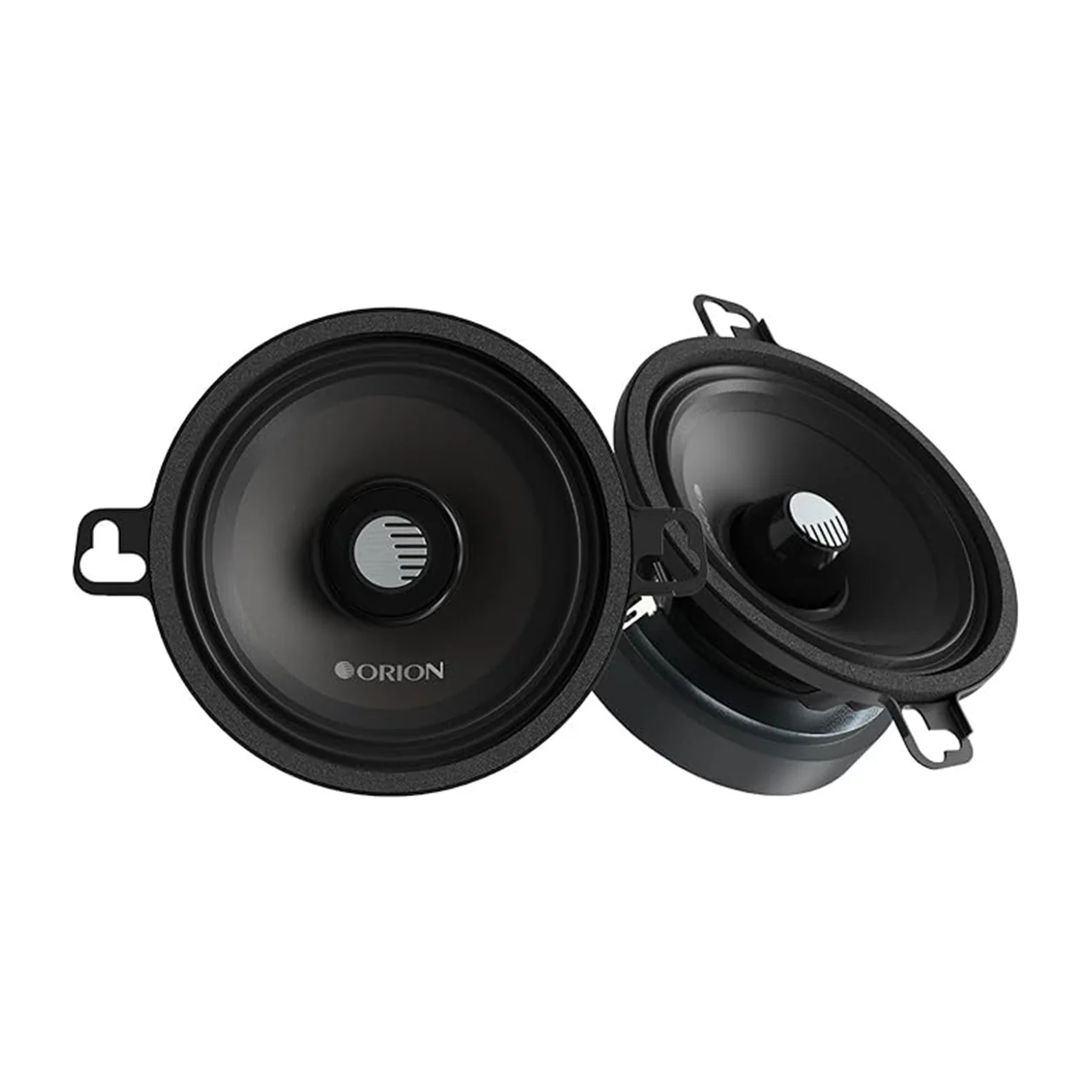
A memorable car audio experience comes from the details you notice while listening. Vocals sound present rather than distant, instruments retain their individual character, and music feels full without becoming harsh or overwhelming. Reaching that level of performance requires more than increasing the volume. The speakers, installation, power source, and acoustic environment must work together.
The orion cm654 is a model worth considering when planning a speaker upgrade, but the results you achieve depend on how well the equipment fits your vehicle and audio goals. Instead of focusing only on advertised output, consider the complete listening experience: clarity at normal volume, consistent performance during longer drives, and a balanced presentation across different musical styles.
Start With the Listening Experience You Want to Improve
Before changing any components, identify what your current system does poorly. A clear upgrade plan begins with the problems you hear, not the number of products you replace.
Some factory systems struggle to reproduce vocals with sufficient definition. Others produce thin midrange sound, uneven treble, or unwanted distortion when the volume rises. In some vehicles, the speakers themselves may not be the main problem; loose door panels, poor connections, or unsuitable audio settings can also reduce performance.
Use three familiar recordings to evaluate the system. Choose one with clear vocals, another with acoustic instruments, and a third with a busy arrangement containing drums, bass, and several overlapping instruments.
During playback, ask yourself:
-
Can you understand the lyrics without turning the volume up excessively?
-
Do individual instruments remain distinguishable when the arrangement becomes dense?
-
Does the sound become uncomfortable at higher listening levels?
-
Can you hear rattling or buzzing from the door panels?
-
Does music sound balanced from the driver's seat?
These observations help establish a reliable starting point. Once the upgrade is installed, repeating the same tests makes it easier to recognize genuine improvements.
Get More Output Without Sacrificing Sound Quality
Speaker output is not simply a matter of choosing the highest wattage rating. The amount of usable sound depends on factors such as sensitivity, available amplifier power, impedance, installation quality, and the demands of the music being played.
When evaluating the orion cm654, review the manufacturer's specifications and confirm that the model suits your intended setup. Avoid assuming that a speaker will automatically deliver greater volume or improved fidelity simply because it replaces a factory unit.
If you plan to retain the factory radio, determine whether its output is suitable for your desired listening level. An aftermarket amplifier may provide additional clean headroom when correctly matched to the speakers, but it is not necessary for every upgrade.
Pay attention to how the system behaves as the volume increases. If vocals become rough, cymbals sound brittle, or the music loses definition, the system may be reaching the limits of its signal or power delivery. Increasing the volume further is unlikely to solve the problem.
Instead, check the source signal, amplifier gain, equalizer settings, and speaker compatibility. Clean output at a comfortable volume is more valuable than excessive loudness accompanied by distortion.
Bring Vocals Forward Without Making Them Harsh
Vocal clarity is one of the most noticeable signs of a well-balanced audio system. When the singer sounds natural and easy to follow, music becomes more engaging even at moderate volume.
Several factors influence vocal reproduction. The speaker's frequency response matters, but so do the position of the listener, reflections inside the cabin, and the way the left and right channels interact.
Begin with a neutral equalizer setting. Listen to recordings featuring different vocal ranges and styles, paying attention to whether voices sound full, clear, and consistent. If vocals seem recessed, resist the temptation to apply large boosts immediately. First check whether excessive bass is masking the midrange or whether the existing treble balance makes the overall presentation seem uneven.
Small adjustments can help refine the sound, but every change should be evaluated against several recordings. A setting that makes one singer sound clearer may make another recording unnecessarily sharp.
Also check the left and right speaker balance. When one channel dominates, the vocal image can shift toward one side of the cabin. Carefully adjusting channel levels, where the system allows it, can create a more stable and centered presentation for the driver.
Make Installation Quality Part of the Upgrade
A speaker's performance depends partly on the surface supporting it. In a vehicle door, the speaker interacts with mounting hardware, interior trim, wiring, and the surrounding cavity. Poor installation can introduce unwanted vibrations or reduce the effectiveness of the speaker's output.
Before fitting the speakers, verify the required opening dimensions, mounting depth, electrical compatibility, and clearance behind the door panel. Confirm that the window mechanism can move freely and that no wiring will interfere with moving components.
A secure mounting arrangement helps prevent mechanical movement during playback. Suitable adapters may be needed to accommodate the vehicle's factory opening, while properly applied sealing material can help limit unwanted air leakage around the speaker.
After mounting, inspect the surrounding trim. Loose fasteners and unsecured wiring can create noises that sound like speaker distortion, particularly when music contains strong bass or repetitive percussion.
If the door panel resonates, consider targeted automotive damping material where appropriate. Apply it according to the material manufacturer's guidance and avoid covering drainage paths or interfering with factory mechanisms.
Test the system before fully completing the installation. Listen at several volume levels and check for buzzing, rattling, and changes in sound as the music becomes more demanding. Fixing these issues early can save time and prevent an otherwise promising upgrade from disappointing you.
Build a Cleaner Signal Path From Source to Speaker
Even a capable speaker cannot reproduce a clean signal if the audio reaching it is already distorted. The source unit, processing settings, wiring, and amplification all contribute to the final result.
Start by checking the source device. Poor-quality recordings and heavily compressed audio can limit detail regardless of the speakers installed. Whenever possible, compare familiar tracks from reliable sources and keep playback volume consistent during testing.
Next, review the signal-processing settings. Excessive bass boost, loudness enhancement, or aggressive equalization can make the sound seem impressive initially but reduce balance and clarity over time. Begin with moderate settings and introduce changes only when you can identify a specific problem.
Inspect the wiring and connections as well. Secure speaker terminals, compatible connectors, and sound electrical connections help ensure dependable operation. If you use an external amplifier, verify that its input configuration and gain settings suit the signal supplied by the source unit.
Remember that amplifier gain is designed to match input sensitivity, not to serve as an additional master-volume control. Setting it too high can cause clipping and compromise sound quality.
A clean signal path gives the speakers a better opportunity to reproduce musical detail without unnecessary harshness or distortion.
Balance Bass, Midrange, and Treble as One System
An immersive listening experience depends on how frequency ranges work together. Strong bass cannot compensate for weak vocals, and bright treble does not automatically create better detail. Each part of the sound should support the others.
If your system includes a subwoofer, use appropriate crossover settings to divide the workload between the main speakers and the subwoofer. A high-pass filter may help protect door speakers from excessive low-frequency movement, depending on their capabilities and the installation.
The correct crossover point depends on the equipment and vehicle, so begin with the manufacturers' recommendations and make gradual adjustments. Listen for a smooth transition between the main speakers and subwoofer rather than a noticeable gap or an exaggerated overlap.
Without a subwoofer, avoid expecting a compact door speaker to deliver the same deep bass as a dedicated low-frequency driver. Aim for balanced music and realistic expectations instead of forcing the speakers to reproduce frequencies beyond their practical capabilities.
Once the crossover is set, make small equalizer adjustments if necessary. Reduce problematic frequencies before applying large boosts elsewhere. This measured approach can preserve headroom and maintain a more natural sound.
Create a More Immersive Cabin Experience
Immersion is about how convincingly the music fills the available listening space. A good system lets you notice the placement of instruments, follow changes in the arrangement, and enjoy a coherent presentation rather than hearing separate sounds competing for attention.
Vehicle interiors make this challenging because the driver sits closer to one front speaker, while windows, seats, and dashboard surfaces reflect sound differently. These acoustic differences can affect stereo imaging and tonal balance.
Begin by setting reasonable left-to-right channel levels. If your audio system supports time alignment, its adjustments may help compensate for differences in the distance between the speakers and the listening position. Make changes carefully and evaluate them with familiar recordings.
Reduce unnecessary cabin rattles and check that the speaker grilles and door panels are fitted correctly. Small mechanical noises can distract from quiet musical details and make the system feel less refined.
Finally, test the sound from the seat you use most often. A setup optimized for the driver may not create an identical listening experience for every passenger, so decide which listening position matters most before making final adjustments.
Maintain Performance Through Regular Checks
A successful upgrade should continue performing reliably after the initial installation. Periodic inspections can help identify loose fittings, damaged wiring, or changes in sound before they become larger problems.
Pay attention to new rattles, intermittent output, or distortion that was not present before. Check accessible connections and mounting hardware when appropriate, following safe procedures and the vehicle manufacturer's guidance.
Avoid operating the system at maximum volume for extended periods, particularly if the sound begins to break up. Excessive distortion and overdriving can damage speakers, while unsuitable power delivery may affect reliability.
If the system sounds different after adjustments, return to your original listening notes and compare the results. Keeping a record of useful settings makes it easier to restore a balanced configuration if later changes do not work as expected.
Make Every Component Contribute to Better Sound
Improving in-car audio is a process of matching the right equipment with the right installation and configuration. Speaker selection establishes the foundation, while signal quality, suitable power, cabin acoustics, and thoughtful tuning determine how well that foundation performs.
For anyone considering the orion cm654, the best approach is to verify the product's specifications, confirm vehicle compatibility, and identify the improvements that matter most before beginning the installation. Focus on secure mounting, clean signal delivery, and balanced frequency response rather than relying on power ratings alone.
When these details come together, everyday listening can become more rewarding. Vocals are easier to follow, instruments retain more of their character, and music feels cohesive instead of harsh or unbalanced. The result is a practical audio upgrade designed around what matters most during every drive: clear sound, consistent performance, and a more enjoyable connection with the music.
❤️ Support Friends Aim! View a sponsored ad to help cover our website costs. Thanks!
Support Us — Ad 1 Support Us — Ad 2❤️ Support Friends Aim! View a sponsored ad to help cover our website costs. Thanks!
Support Us — Ad 1
 English
 Arabic
 Spanish
 Portuguese
 Deutsch
 Turkish
 Dutch
 Italiano
 Russian
 Romaian
 Portuguese (Brazil)
 Greek