


❤️ Support Friends Aim! View a sponsored ad to help cover our website costs. Thanks!
Support Us — Ad 1Closed Cell Foam Car Audio: Benefits, Uses, and Installation Tips
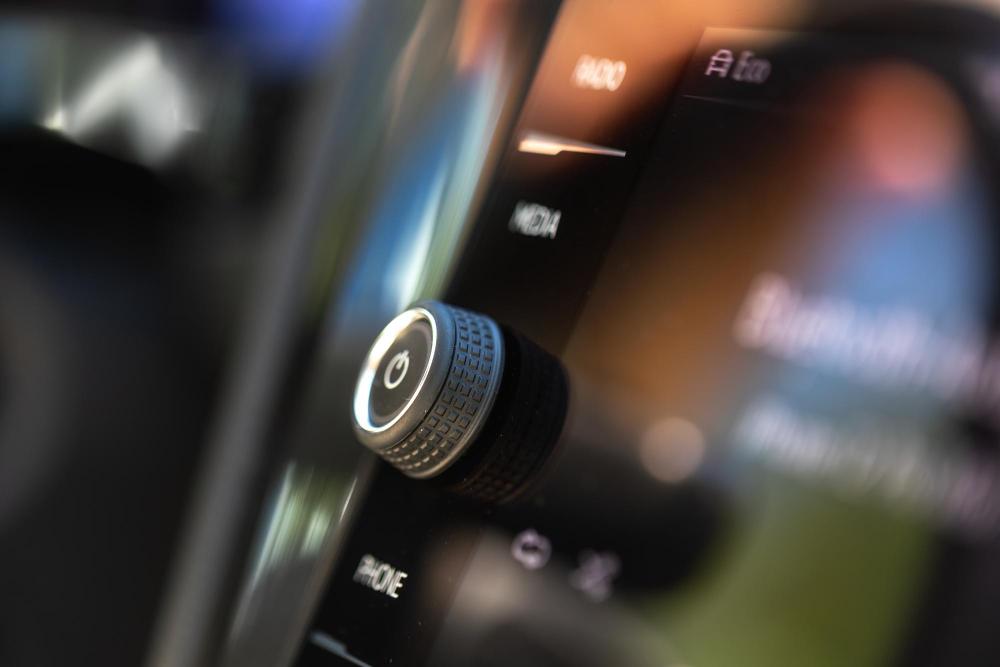
Closed cell foam car audio solutions can help improve the listening experience by reducing unwanted rattles, cushioning interior panels, and supporting a more controlled acoustic environment. When speakers vibrate against poorly insulated door panels or loose trim, the resulting noise can interfere with music clarity. Choosing the right automotive foam and installing it correctly can help address these issues while making the cabin feel more refined.
However, foam is not a universal fix for every car audio problem. Speaker performance also depends on mounting quality, door construction, vibration control, and the characteristics of the audio system. Understanding how closed-cell foam works soundproofing foam for cars where it is most useful, and how to fit it properly will help you make a more informed decision for your vehicle.
What Is Closed-Cell Foam in Car Audio?
Closed-cell foam is a material made from small, enclosed cells that help limit moisture absorption and provide cushioning. In automotive audio applications, it is commonly used around compatible interior panels, behind door cards, and in selected areas where contact between components may cause unwanted noise.
Unlike conventional open-cell foam, which contains interconnected spaces, closed-cell foam generally has a more moisture-resistant structure. This can make it useful in certain vehicle interiors, especially where materials need to withstand changing temperatures and occasional humidity.
Its main role depends on how it is designed and installed. Some products provide cushioning between surfaces, while specialized acoustic products can help manage sound within suitable spaces. Foam may also help prevent plastic trim from vibrating against metal or other components.
It is important to distinguish these functions from vibration damping. Closed-cell foam does not automatically stop a metal door panel from resonating, nor does it replace proper speaker mounting. For the best outcome, each material should be selected for the problem it is intended to solve.
Key Benefits of Closed-Cell Foam for Car Audio
The value of automotive foam extends beyond simply adding another layer behind a door panel. When used appropriately, it can address several common issues that affect the listening experience.
Reduced Speaker-Related Rattles
Door speakers produce vibrations that can cause nearby trim pieces, wiring, and plastic panels to move against one another. These movements sometimes create buzzing or rattling sounds that become more noticeable as the volume increases.
Suitable foam placed at compatible contact points can cushion those surfaces and reduce unwanted movement. This is particularly useful when a speaker sounds reasonably clear at low volume but develops distracting rattles during louder playback.
Improved Listening Comfort
Unwanted cabin noise competes with the music coming from your speakers. Tire noise, loose trim, and panel vibrations can make listening less enjoyable, especially during highway driving.
Foam can help manage certain sources of unwanted sound and trim noise. Although it will not eliminate all external road noise, reducing avoidable rattles can create a cleaner and more comfortable listening environment.
Better Support for Speaker Installation
Some automotive foam products are designed to fit around speaker openings or between compatible mounting surfaces. Depending on the product, this can help cushion contact points and reduce sound escaping into unintended gaps.
Correct speaker positioning and a Closed Cell Foam Car Audio secure mounting surface remain essential. Foam should never obstruct the speaker cone, restrict required movement, or interfere with electrical connections.
Moisture Resistance in Suitable Locations
Vehicle doors can experience moisture from rainwater entering around window seals. Closed-cell foam generally resists water absorption better than many open-cell materials, making it a useful option for certain protected automotive applications.
Nevertheless, moisture resistance varies by product. Select foam designed for the intended environment and keep factory drainage paths open to prevent water from collecting inside the door.
Where Can You Use Closed-Cell Foam in a Car Audio System?
The most useful installation location Closed Cell Foam Car Audio depends on the source of the noise and the construction of the vehicle. Start with areas where vibrations or contact noise are noticeable rather than applying material everywhere.
Behind Door Panels
Door panels are among the most common places to consider automotive foam. Speakers mounted in doors can excite nearby surfaces, while plastic trim may rattle against the underlying structure.
A suitable foam layer can cushion contact points behind the door card. Before installation, check that it will not interfere with window regulators, door locks, wiring, side-impact equipment, or the original moisture barrier.
Around Compatible Speaker Mounting Areas
Foam designed for speaker installations Closed Cell Foam Car Audio may help address gaps or contact points around a suitable mounting assembly. Certain products can also help reduce unwanted interaction between the speaker area and the surrounding trim.
Choose a product specifically intended for that application. Avoid covering speaker openings or placing material where it can contact the moving cone or surround.
In Trunk and Rear Interior Panels
Vehicles with subwoofers may develop rattles in trunk trim, rear decks, hatch panels, or other nearby components. Appropriate foam can cushion surfaces that touch and reduce some of these noises.
If a large metal panel itself is vibrating, a dedicated vibration-damping car cabin noise reduction material may be more effective than foam alone. Identifying the exact source will help you avoid unnecessary installation work.
Installation Tips for Better Results
A careful installation helps the material perform as intended and prevents problems when the interior is reassembled.
1. Identify the source of the noise. Play Closed Cell Foam Car Audio music at a moderate volume and listen for rattles around doors, speakers, and rear trim. Check for loose fasteners or damaged clips before adding insulation.
2. Remove the necessary trim carefully. Use appropriate tools to avoid damaging clips, wiring, or upholstery. Consult vehicle-specific service instructions when removing door panels or other components.
3. Clean and dry the surface. Follow the foam manufacturer's preparation instructions. Dust, grease, and moisture can affect adhesive performance.
4. Measure and cut accurately. Fit the material to the intended area without blocking drainage holes, fasteners, speaker openings, wiring, or moving mechanisms.
5. Apply the foam securely. Follow the manufacturer's guidance for positioning and pressure. Avoid excessive compression or overlapping material that prevents the panel from fitting correctly.
6. Reassemble and test the system. Make sure all clips and fasteners are secure. Test the audio at different listening levels and check for remaining rattles or interference before considering the job complete.
For safety, never place insulation where it could obstruct airbags, seat belts, electrical connections, or other safety-critical equipment.
How to Choose the Right Foam for Your Audio Setup
Not every foam product is designed for every automotive application. Compare the material's thickness, flexibility, adhesive, moisture resistance, and intended use before purchasing.
Thin, flexible foam may work well where space behind a door card is limited. A thicker product might offer more cushioning but could prevent the panel from sitting correctly. Moisture resistance is particularly important in doors, while temperature ratings matter in areas exposed to elevated heat.
Also consider whether foam alone will Closed Cell Foam Car Audio solve the problem. If the main issue is metal-panel resonance, a purpose-built damping material may be necessary. If the goal is to address several noise sources, a compatible multilayer treatment may be worth considering.
SoundSkins Global offers automotive acoustic products intended for different sound-control applications. When evaluating a product, review its specifications and installation guidance while ensure it suits your vehicle and the area you plan to treat.
Frequently Asked Questions (FAQs)
1. Does closed-cell foam improve car audio quality?
It can help reduce certain rattles and cushion interior panels, creating a less distracting listening environment. However, it does not automatically improve speaker frequency response or replace proper speaker installation and vibration damping.
2. Is closed-cell foam better than open-cell foam for car doors?
Closed-cell foam generally offers better moisture resistance, which can be beneficial in some door applications. The best choice depends on the product's design, acoustic purpose, and suitability for the specific installation area.
3. Can I install closed-cell foam around car speakers myself?
Yes, many automotive foam products are suitable for DIY installation. Measure carefully, follow the product instructions, and keep the material away from moving speaker components, electrical connections, window mechanisms, and drainage openings.
4. Does closed-cell foam stop all road noise?
No. It can help with certain rattles and acoustic issues, but tire noise, low-frequency vibration, and wind noise may require other solutions. The result depends on the noise source, vehicle design, and materials used.
❤️ Support Friends Aim! View a sponsored ad to help cover our website costs. Thanks!
Support Us — Ad 1 Support Us — Ad 2❤️ Support Friends Aim! View a sponsored ad to help cover our website costs. Thanks!
Support Us — Ad 1
 English
 Arabic
 French
 Spanish
 Portuguese
 Deutsch
 Turkish
 Dutch
 Italiano
 Russian
 Romaian
 Portuguese (Brazil)