


Can jtpackage Help You Choose Polyolefin Shrink Film?
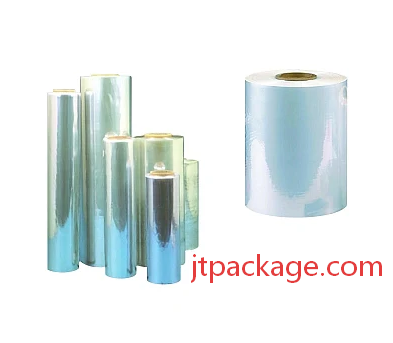
Packaging decisions influence how products are grouped, handled, stored, and displayed throughout the supply chain. For businesses seeking flexible packaging materials, Polyolefin Shrink Film from jtpackage offers an option to consider when planning packaging for different product categories. Selecting suitable film requires attention to product shape, packaging equipment, material characteristics, and the appearance expected from the finished package. A thoughtful approach helps businesses connect their packaging choices with practical operational requirements.
Product characteristics provide a useful starting point. Items vary in shape, surface texture, and packaging requirements, so the wrapping material should be assessed according to its intended application. Individual retail products may need a different wrapping arrangement from grouped merchandise or assorted product sets. Reviewing these differences before purchasing materials can help packaging teams determine which film formats and processing methods suit their workflow.
The film's ability to shrink under controlled heat allows it to conform around packaged items. This property can create a close-fitting outer layer and help keep grouped products together during routine handling. However, the final appearance depends on several factors, including film selection, sealing technique, product geometry, and heating conditions. Businesses should review product guidance and conduct suitable trials before integrating a new material into an established packaging process.
Visual presentation is another important consideration. Transparent wrapping can allow customers to view packaged goods while maintaining an enclosed outer layer. This can be useful for retail products where visibility contributes to the shopping experience. Packaging teams should also consider how the film looks around corners, edges, and irregular shapes, since these details can influence the appearance of the completed package.
Equipment compatibility deserves careful review. Packaging lines differ in their feeding mechanisms, sealing systems, and heating arrangements. A film that suits one setup may require different operating conditions in another. Before making a purchasing decision, businesses can confirm the material's specifications and discuss its intended application with their supplier. Appropriate equipment settings and consistent operating procedures can help packaging staff manage the process more effectively.
Storage and handling also form part of material management. Packaging teams should follow supplier instructions regarding storage conditions, handling practices, and material preparation. Keeping packaging supplies organized can help maintain an orderly production environment and simplify inventory planning. Businesses may also review how film rolls or other supplied formats fit their storage space and routine material handling procedures.
For companies managing varied product lines, packaging flexibility can support different presentation requirements. A manufacturer may need to wrap individual goods, combine related items into retail bundles, or prepare products for distribution. Evaluating the packaging needs of each product category helps purchasing teams select materials based on their actual applications. It also supports clearer coordination among production, procurement, and packaging staff.
Sourcing decisions should include more than a review of material appearance. Buyers may wish to clarify available specifications, film formats, packaging applications, equipment requirements, and ordering arrangements. Sharing details about the intended product and packaging process can help suppliers provide relevant information. Clear communication before an order is confirmed can reduce uncertainty and help businesses plan material use more carefully.
Packaging choices can also influence waste management procedures. Businesses should consider how packaging materials are handled after use and review applicable local disposal or recycling guidance. Following relevant instructions helps organizations incorporate material handling and end-of-life considerations into their broader packaging practices.
Ultimately, choosing shrink film involves balancing product requirements, processing conditions, appearance, and supply arrangements. A careful evaluation of these factors gives businesses a clearer basis for comparing available options and planning a packaging process that fits their operations.
Give your next packaging project a fresh starting point. Visit https://www.jtpackage.com/product/ to review available packaging materials and consider which options fit your products and workflow. A closer look at the available solutions could help you shape a packaging approach that feels right for your next project.

 English
 Arabic
 French
 Spanish
 Portuguese
 Deutsch
 Turkish
 Italiano
 Russian
 Romaian
 Portuguese (Brazil)
 Greek