


How an AI Image Generator Helps Businesses Create Better Marketing Visuals
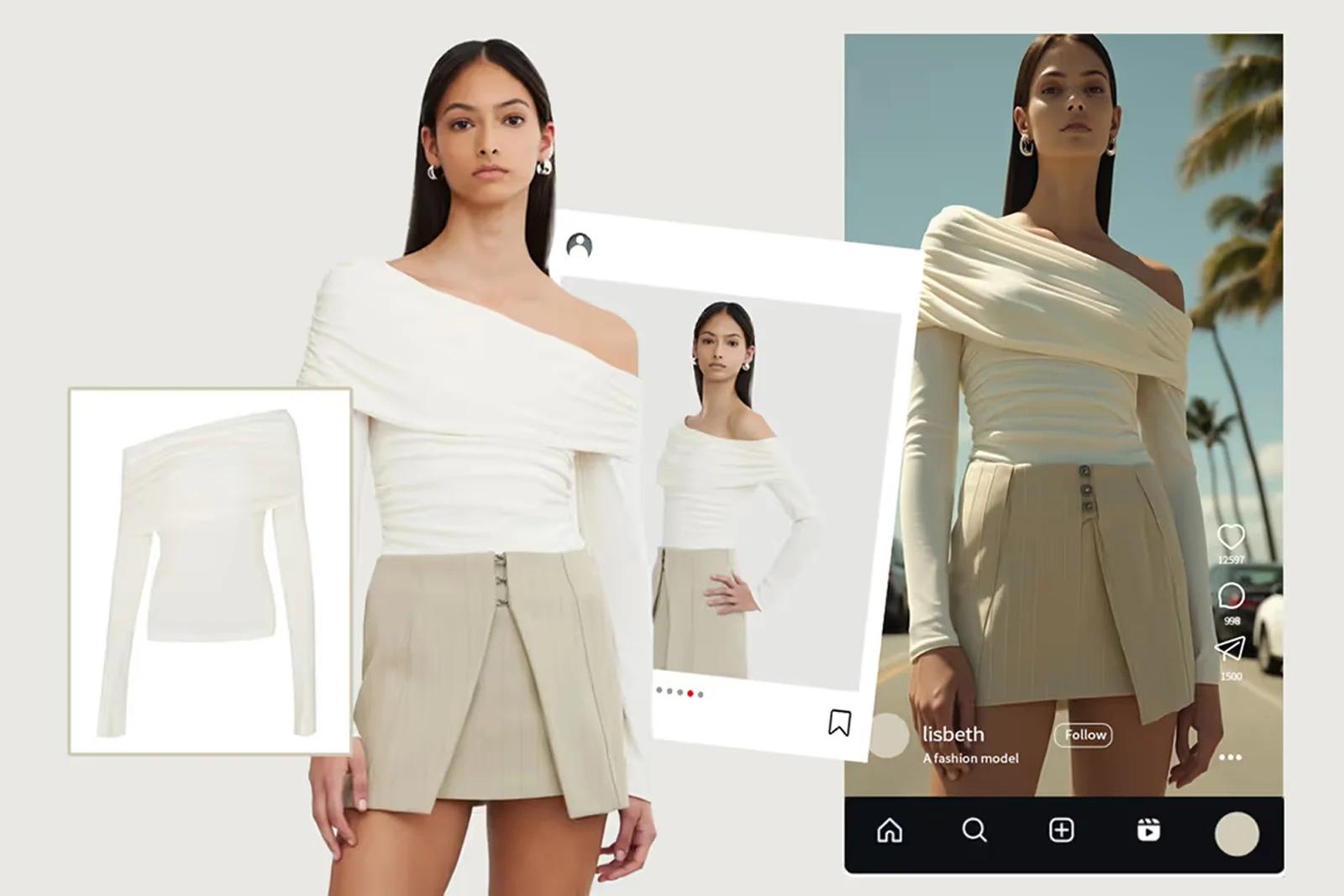
Businesses need high-quality visuals to attract attention, communicate ideas, and build recognizable brands. From website banners and social media graphics to digital advertisements and blog illustrations, visual content plays an important role in modern marketing. However, producing original images for every campaign can require significant time, creative resources, and budget.
An AI image generator offers another way to develop visual content. By describing an idea in a written prompt, users can generate images that support their marketing campaigns, creative projects, and digital communication.
For businesses that publish content regularly, AI image generation can help simplify the creative process while making it easier to explore different visual concepts.
What Is an AI Image Generator?
An AI image generator is a tool that uses artificial intelligence to create images from text descriptions or other supported inputs. Users describe the subject, setting, visual style, composition, lighting, and other details they want to include.
For example, a business could enter a prompt requesting a modern workspace with natural lighting, a laptop on a wooden desk, and a clean professional atmosphere. The generator then produces an image based on the description.
Depending on the tool, users may also be able to explore different styles, adjust prompts, or generate alternative versions of the same concept.
Unlike traditional stock image searches, which rely on finding existing photographs or illustrations, AI image generation allows users to explore visuals tailored to a specific creative brief.
1. Create Original Visuals for Social Media
Social media platforms require a consistent flow of visual content. Businesses often need images for product announcements, educational posts, seasonal campaigns, company updates, and promotional offers.
Creating each visual from scratch can slow down content production, particularly for small marketing teams.
An AI image generator can help marketers develop initial concepts for:
-
Instagram posts and campaign graphics
-
LinkedIn thought leadership visuals
-
Facebook promotional creatives
-
Pinterest graphics and visual guides
-
YouTube thumbnails and supporting illustrations
For example, a fitness brand could generate several concepts showing home workout environments, exercise equipment, and healthy lifestyle settings. A marketing team could then select and refine the most appropriate visual for its audience.
The key is to maintain consistent brand colors, messaging, and creative direction across the final assets.
2. Develop Product Concepts and Marketing Mockups
Product presentation influences how customers understand and evaluate an offering. Businesses may need product concepts for advertising, early-stage campaigns, landing pages, or internal presentations before investing in a complete photoshoot.
AI-generated visuals can help teams explore different backgrounds, environments, and creative directions.
Potential applications include:
-
Product campaign concepts
-
Packaging design inspiration
-
Lifestyle scene mockups
-
Promotional banner concepts
-
Early-stage product visualization
For instance, an online store selling home accessories might explore how a lamp would look in a minimalist bedroom or a contemporary living room.
When the exact appearance of a real product matters, businesses should preserve accurate product details and review generated images carefully. AI-generated concepts should not be presented as authentic product photographs if they materially misrepresent the item.
3. Produce More Engaging Blog Images
Visuals help readers understand information and make long-form content easier to navigate. Businesses publishing educational articles, tutorials, industry guides, and product comparisons can use custom images to support their written content.
An AI image generator can help create:
-
Blog header images
-
Conceptual illustrations
-
Step-by-step visual explanations
-
Industry-specific scenes
-
Presentation graphics
Consider a software company publishing an article about workflow automation. Instead of using a generic stock photograph, the team could generate a conceptual image illustrating connected applications, automated processes, and data flowing between systems.
Custom visuals can also support content differentiation. However, generated images alone do not guarantee better search rankings. They should complement useful content, accurate information, and a well-structured website.
4. Explore Creative Directions Faster
One of the most useful aspects of AI image generation is the ability to experiment with different creative approaches.
A single campaign concept might be explored through several visual styles, such as realistic photography, minimalist illustration, editorial artwork, or futuristic digital design.
This makes it easier for teams to compare ideas before committing to a final direction.
A practical workflow includes:
-
Define the campaign objective and target audience.
-
Write a detailed image prompt.
-
Generate several visual variations.
-
Compare the results against brand guidelines.
-
Refine the strongest option.
-
Review the final image before publication.
This process helps separate initial idea generation from final creative approval.
5. Write Better Prompts for More Relevant Images
The quality of an AI-generated image depends partly on how clearly the user communicates the desired result.
A vague prompt such as “make a marketing image” leaves many creative decisions unspecified. A more detailed description provides useful direction.
For example:
Basic prompt: A modern office.
Improved prompt: A photorealistic modern office for a technology company, featuring a spacious desk, two monitors, natural window lighting, neutral colors, clean composition, and room on the left for website headline text.
A useful prompt typically includes:
-
Subject: What should appear in the image?
-
Environment: Where does the scene take place?
-
Style: Should it look photographic, illustrative, or artistic?
-
Composition: Where should the main subject appear?
-
Lighting and colors: What visual atmosphere is required?
-
Purpose: Is the image for a blog, advertisement, presentation, or social post?
Users should still inspect the output because even detailed prompts may produce inaccurate details or unexpected elements.
6. Use AI Image Generation Responsibly
AI-generated content needs human review before it becomes part of a public marketing campaign.
Businesses should check for distorted objects, incorrect product details, unwanted text, inconsistent brand elements, and misleading representations. They should also review the tool's terms for commercial usage, privacy, and any applicable disclosure requirements.
Images representing real customers, physical locations, products, or measurable results deserve particular attention. Creative flexibility should not come at the expense of accuracy or customer trust.
Why Choose an AI Image Generator for Your Creative Workflow?
An AI image generator can make visual experimentation more accessible to marketers, entrepreneurs, content creators, and designers. It can help teams develop concepts, explore different styles, and produce supporting visuals for a wide range of digital projects.
The best results come from combining AI-assisted creation with a clear brief, careful editing, and a consistent visual strategy.
If you want to explore AI-powered visual creation, visit the Pyxa AI Image Generator to learn more about the available tool and its capabilities.
Frequently Asked Questions
Can an AI image generator create images from text?
Yes. Text-to-image tools interpret written descriptions and use them to generate visual content based on the prompt.
Can businesses use AI-generated images for marketing?
Potentially, yes. Businesses should review the tool's commercial-use terms and check the final image for accuracy, licensing concerns, and brand suitability.
Are AI-generated images useful for SEO?
They can support content presentation and relevance when used appropriately. Search performance also depends on content quality, technical SEO, user experience, and other ranking factors.
Do I need graphic design experience to use an AI image generator?
Not necessarily. Many tools accept natural-language prompts, although design knowledge can help users produce more consistent and polished results.

 English
 Arabic
 French
 Spanish
 Portuguese
 Deutsch
 Turkish
 Dutch
 Italiano
 Russian
 Romaian
 Portuguese (Brazil)