


Replacement Door Locks: What to Check Before Choosing a New Lock
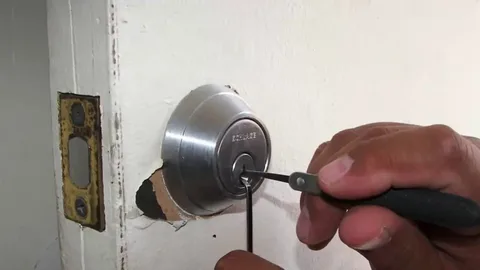
Choosing replacement door locks is not simply a matter of picking a lock that looks good. The new hardware needs to match the door, frame, existing fittings, and the way the property is used.
A suitable replacement can make everyday locking easier and resolve problems caused by worn or damaged hardware. Before buying anything, take a few measurements and identify the type of door you have.
Start With the Door Material
The door material affects which locks may be suitable.
Wooden, metal, uPVC, and aluminium doors can use different locking arrangements.
For example, an aluminium door may require hardware designed specifically for its profile and available space.
Before removing the existing lock, identify the door material and inspect how the current mechanism is installed.
This can prevent you from purchasing a lock that cannot be fitted correctly.
Measure the Existing Lock
Never rely only on the appearance of the old lock.
Measure important dimensions such as:
- Door thickness
- Backset
- Lock body dimensions
- Cylinder size
- Screw positions
- Handle spacing
The exact measurements required will depend on the type of lock.
Keeping these details available can make it much easier to identify compatible replacement hardware.
Check the Locking Mechanism
Different doors use different mechanisms.
Your existing setup may use a deadbolt, latch, mortise lock, cylinder lock, multipoint system, or another configuration.
The replacement needs to work with the door and surrounding hardware.
Changing only the visible cylinder may not solve a problem caused by the internal mechanism.
Before purchasing, determine which part actually needs to be replaced.
Consider Aluminium Doors Carefully
Aluminium doors often have narrower profiles and specific hardware requirements.
A lock that fits a wooden door may not be suitable for an aluminium frame.
If you are replacing hardware on an aluminium entrance, review compatible aluminium door lock solutions before making a purchase.
The lock, cylinder, handles, and other components should work together rather than being selected separately without checking compatibility.
Think About Who Uses the Door
A residential front door may have different requirements from an office entrance.
Consider how many people need access and whether keys will be shared.
For a small home, a standard keyed lock may be sufficient.
A business with several employees may need a system that makes access easier to manage.
The intended users should be part of the decision.
Decide Whether You Need One Lock or Several
Replacing one damaged lock is straightforward.
However, if several locks around the property are old or unreliable, you may want to review them together.
Using compatible hardware throughout a property can make maintenance easier.
You may also decide to use different locks for different areas.
For example, a main entrance could have one locking arrangement while a storage room or private office uses another.
Do Not Ignore the Door Frame
The lock is only one part of the system.
The strike plate or receiver must align correctly with the latch or bolt.
If the frame is damaged or the door has shifted, installing a new lock may not fix the problem.
Check whether the door closes naturally and whether the existing bolt enters the strike area without excessive pressure.
If it does not, the alignment may need attention before or during the lock replacement.
Check the Keys and Cylinders
If you are replacing a cylinder, consider how many keys you need.
You may also want to know whether additional copies can be made easily.
For a business, keeping track of issued keys can become important as employees and contractors change.
For a home, consider who needs access to the property and whether old keys should remain usable.
Avoid Buying Based Only on Price
A low-cost lock may appear attractive, but the cheapest option is not necessarily the correct match for your door.
Compatibility, installation requirements, durability, and replacement-part availability can all matter.
At the same time, a more expensive lock is not automatically appropriate for every property.
Start with the door's requirements and choose hardware that fits those needs.
When Should You Replace the Existing Lock?
Replacement may be worth considering when:
- The lock repeatedly jams
- The cylinder is damaged
- Keys are frequently difficult to turn
- The hardware is badly worn
- A key has been lost
- Access requirements have changed
- The existing lock is no longer compatible with a renovated door
However, some problems are caused by alignment or loose hardware rather than the lock itself.
Identify the cause before replacing anything.
Professional Installation Can Help
Lock installation may appear simple, but incorrect positioning can affect how the entire door operates.
The new lock should be fitted correctly and tested several times.
If measurements are uncertain or the door uses specialized hardware, professional assistance can reduce the risk of selecting or installing an incompatible component.
This is particularly useful for aluminium doors and other doors with limited space around the locking mechanism.
Test Everything After Installation
Once the replacement is fitted, test the door while it is open.
Turn the key and operate the handle several times.
Then close the door and check whether the latch and bolt engage correctly.
The key should operate smoothly without excessive force.
If the door needs to be pushed or pulled unusually hard before the lock works, check the alignment.
Final Thoughts
Choosing replacement door locks requires more than selecting a new design.
Consider the door material, measurements, locking mechanism, frame alignment, number of users, and access requirements before purchasing.
For aluminium doors, compatible hardware is particularly important.
Taking the time to identify the existing setup can help you choose a replacement that fits correctly and works reliably for everyday use.

 English
 Arabic
 French
 Spanish
 Portuguese
 Deutsch
 Turkish
 Dutch
Dutch
 Italiano
 Russian
 Romaian
 Greek
Greek