


GAPP Program: Understanding Benefits for Children With Complex Medical Needs
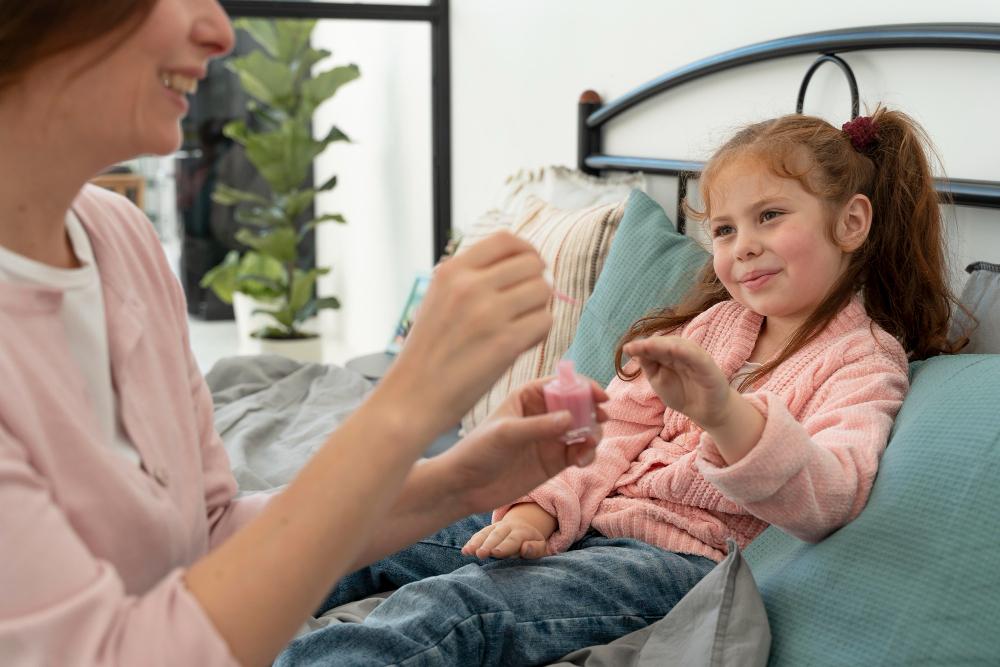
Caring for a child with complex medical needs requires patience, careful planning, and access to dependable healthcare services. For families managing ongoing medical conditions, everyday responsibilities can include coordinating appointments, monitoring symptoms, supporting daily activities, and ensuring that medical instructions are followed consistently. Finding the right care can help children remain comfortable while giving parents greater confidence in their daily routines.
The GAPP Program in Georgia is designed to help eligible children with significant medical needs access medically necessary in-home nursing and personal care support. These services can help families manage their child's care in a familiar environment while addressing essential healthcare needs. Understanding the program, its potential benefits, and the application process can help parents make informed decisions about their child's care.
At SLB In-Home Care, we recognize the importance of compassionate, individualized pediatric care. Learning about available programs and coordinating with qualified healthcare professionals can help families explore options that support their child's health, safety, and quality of life.
Understanding the Georgia Pediatric Program
The Georgia Pediatric Program, commonly known as GAPP, is a Georgia Medicaid program that provides approved services to eligible children with complex medical needs. Depending on medical necessity and authorization, services may include skilled nursing and personal care support in the home. The program is intended to address healthcare needs that require more specialized assistance than ordinary daily caregiving.
For many families, receiving appropriate care at home can make it easier to maintain familiar routines and coordinate care with the child's medical team. Rather than relying exclusively on facility-based support, eligible children may receive approved services in their home environment.
However, not every child with a medical diagnosis automatically qualifies. Eligibility depends on applicable Medicaid requirements, the child's medical circumstances, and the required authorization for services.
Which Children May Benefit From GAPP Services?
Children with significant medical needs may require regular monitoring, specialized nursing interventions, or help with everyday activities. When these needs meet program requirements, GAPP may offer an important source of support.
Children whose circumstances may warrant an eligibility assessment include those who have:
-
Respiratory support needs: Children who depend on oxygen or respiratory equipment and require ongoing medical monitoring.
-
Complex neurological conditions: Children who need specialized assistance with medical care, mobility, or daily routines.
-
Feeding and nutritional challenges: Children who require medically directed tube-feeding support or related nursing care.
-
Multiple medical conditions: Children whose health needs involve several body systems and require coordinated care.
-
Ongoing skilled nursing requirements: Children who need medically necessary nursing services that cannot be provided safely through ordinary supervision alone.
These examples are not a guarantee of eligibility. Georgia Medicaid's current policies and medical review process determine whether a child qualifies for particular services. Families should consult their child's physician and an enrolled GAPP provider to discuss their specific circumstances.
Key Benefits of the GAPP Program for Families
Access to appropriate pediatric care can affect the entire household. When a child has complex medical needs, parents often balance caregiving with employment, family responsibilities, and their own well-being.
1. Access to Skilled Nursing Care at Home
One potential benefit of the GAPP Program is access to authorized skilled nursing services in the home. Depending on the child's care plan, nursing responsibilities may involve monitoring health status, supporting prescribed treatments, assisting with specialized equipment, or performing other medically necessary interventions.
Care is based on the child's assessed needs and authorized services. Families should discuss the expected nursing responsibilities with the healthcare team and service provider.
2. Support With Daily Living Activities
Some eligible children need assistance with personal care in addition to nursing services. Approved personal care support may help with activities such as bathing, dressing, personal hygiene, feeding assistance, and mobility.
This support can help families manage daily routines while ensuring that assistance reflects the child's abilities, safety needs, and care plan.
3. A Familiar and Comfortable Environment
Home can offer children a sense of familiarity and consistency. Receiving approved care in this setting may allow them to remain close to family members and participate in appropriate household routines.
Families can also work with healthcare professionals to organize care around the child's medical requirements, prescribed treatments, and individual preferences.
4. Greater Support for Family Caregivers
Caring for a medically fragile child can involve demanding schedules and significant emotional responsibilities. Appropriate professional support may help parents manage some caregiving tasks while maintaining communication with the child's medical team.
The GAPP Program does not remove every responsibility from parents, but authorized services may help create a more manageable care arrangement.
5. A More Coordinated Approach to Care
Children with complex conditions may receive treatment from multiple healthcare professionals. Consistent communication among parents, nurses, physicians, and other providers can help everyone understand the child's needs and follow the established care plan.
Families should ask how nursing observations, changes in health status, medication instructions, and follow-up recommendations will be communicated.
How to Explore GAPP Eligibility in Georgia
Understanding the application process can help families prepare for the next steps. Although the details depend on the child's circumstances, the following approach provides a useful starting point.
Step 1: Discuss your child's medical needs with the physician.
Explain the care your child requires at home, including respiratory support, specialized treatments, monitoring, and assistance with daily activities. Ask whether a GAPP assessment may be appropriate.
Step 2: Review Medicaid eligibility.
GAPP services require the applicable Georgia Medicaid eligibility and program approvals. If your child is not currently enrolled, contact Georgia Medicaid or the local Division of Family and Children Services office to discuss eligibility options. Some children may qualify through specific pathways, depending on their circumstances.
Step 3: Contact an enrolled GAPP provider.
Georgia Medicaid advises families to contact a GAPP provider agency directly to begin exploring services. A qualified agency can explain its intake process and help identify the documentation needed for review.
Step 4: Gather medical documentation.
Prepare relevant medical records, physician information, treatment plans, and other documents requested by the reviewing team. Complete and accurate records can help explain why the child needs the requested services.
Step 5: Complete the required medical review and authorization.
Eligibility for Medicaid alone does not automatically authorize GAPP services. The child's needs must be reviewed, and the requested services must receive the required approval before covered care can begin.
How SLB In-Home Care Supports Pediatric Care
Choosing pediatric home care involves more than finding someone to provide assistance. Families need to understand their child's care requirements, communicate remain effectively with healthcare professionals, and identify services that align with the child's approved needs.
SLB In-Home Care focuses on the importance of compassionate, individualized care for children who need support at home. Families exploring GAPP-related services should ask prospective providers about their experience with medically complex children, care coordination practices, staff qualifications, service availability, and authorization requirements.
It is also helpful to discuss how care plans are followed, how concerns are communicated, and what procedures are used when a child's medical condition changes.
The right arrangement depends on the child's needs and the services that can be authorized and provided. Parents should confirm all program requirements and service details directly with the appropriate healthcare professionals and Medicaid-enrolled provider.
Helping Children Receive the Care They Need
For families raising children with complex medical conditions, finding appropriate support can make the path forward feel more manageable. Understanding the GAPP Program is an important step toward learning which nursing and personal care services may be available through Georgia Medicaid.
Every child's situation is different. By working with physicians, reviewing eligibility requirements, gathering medical documentation, and communicating with qualified providers, families can make more informed decisions about home-based care.
The goal is to build a care arrangement that respects the child's medical needs while supporting family routines, comfort, and safety. With reliable information and thoughtful planning, parents can better navigate available resources and advocate for the care their children need.
Frequently Asked Questions
1. What does GAPP stand for in Georgia?
GAPP stands for the Georgia Pediatric Program. It provides approved nursing and personal care services to eligible children with significant medical needs through Georgia Medicaid.
2. Who may qualify for the GAPP Program?
Eligibility depends on Georgia Medicaid requirements, the child's medical needs, and the applicable program criteria. Families should consult their child's physician and an enrolled GAPP provider to determine whether an assessment is appropriate.
3. What services may GAPP provide at home?
Depending on authorization, services may include skilled nursing and personal care support. The specific services available depend on the child's assessed medical needs and approved care arrangements.
4. How can parents begin applying for GAPP services?
Parents can start by discussing their child's needs with the physician, confirming Medicaid eligibility, and contacting an enrolled GAPP provider. The provider and reviewing team can explain the documentation and authorization steps required for the child's case.

 English
 Arabic
 Spanish
 Portuguese
 Deutsch
 Turkish
 Dutch
Dutch
 Italiano
 Russian
 Romaian
 Portuguese (Brazil)
 Greek
Greek