


Is Root Canal Treatment Effective for Sensitive Teeth?
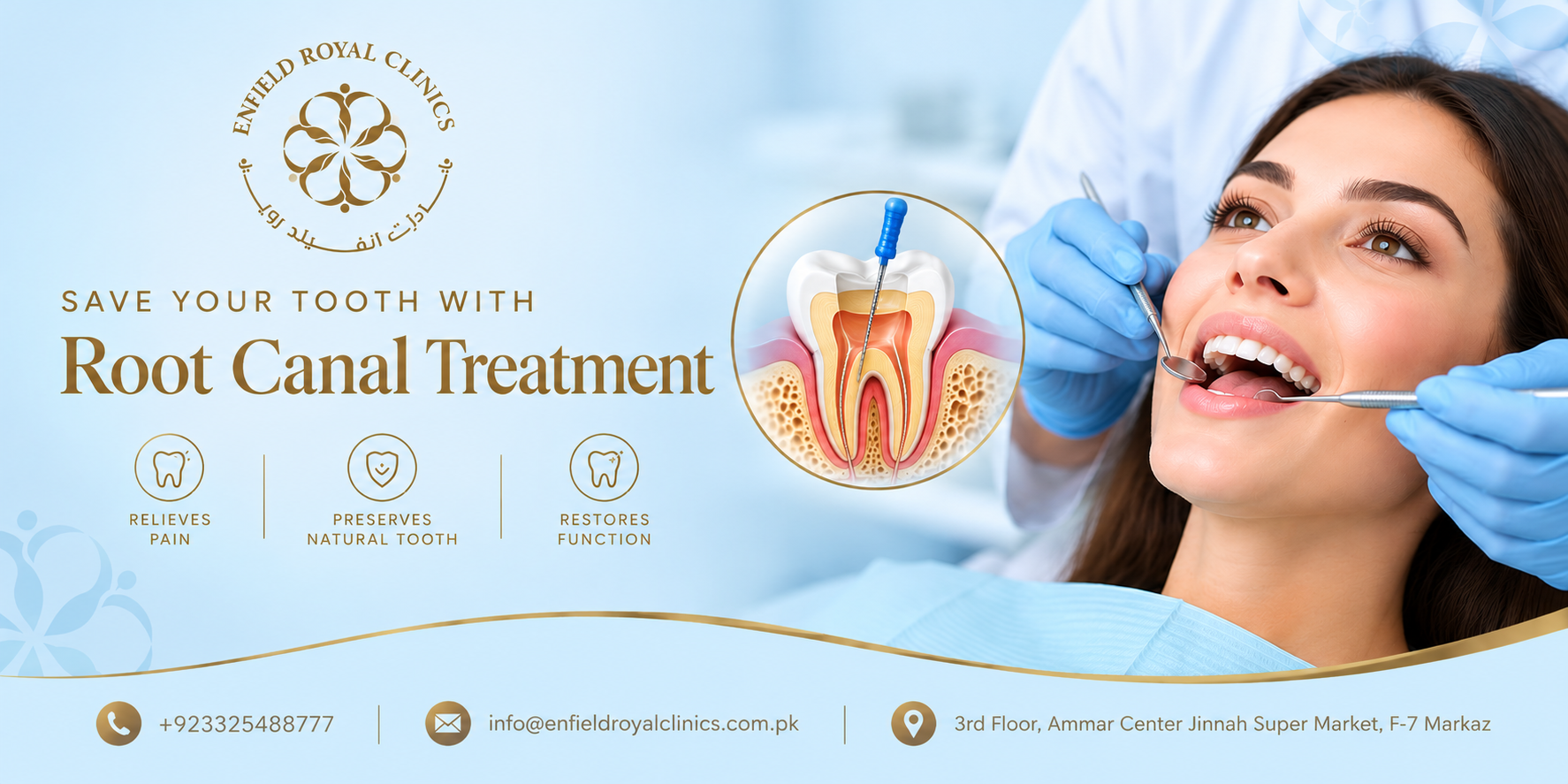
Tooth sensitivity is a common dental concern that can make everyday activities uncomfortable. Drinking cold water, enjoying hot tea, eating sweets, or breathing in cold air may trigger a sudden sharp sensation in one or more teeth. While mild sensitivity can often improve with simple dental care, persistent or severe discomfort may indicate an underlying problem that needs professional attention.
Root Canal Treatment in Islamabad is an option for patients whose tooth sensitivity results from severely inflamed or infected dental pulp. However, root canal treatment is not necessary for every sensitive tooth. The correct approach depends on the cause of the sensitivity, the condition of the tooth, and the findings of a dental examination.
Understanding when root canal treatment can help, how the procedure works, and which alternatives may be suitable can help patients make informed decisions about their oral health.
1. What Causes Tooth Sensitivity?
Tooth sensitivity occurs when the protective outer layers of a tooth no longer adequately shield the underlying dentin or when the dental pulp becomes irritated. Dentin contains tiny channels that can transmit temperature and other stimuli toward the nerve inside the tooth, producing discomfort.
Several factors can contribute to sensitive teeth.
-
Enamel erosion: Acidic foods, drinks, or stomach acid can gradually weaken tooth enamel and expose the dentin underneath.
-
Gum recession: When gums move away from the teeth, the roots may become exposed. Root surfaces do not have the same enamel protection as the crowns of teeth.
-
Tooth decay: Cavities can penetrate the enamel and dentin, making the tooth more sensitive to temperature, sweets, and pressure.
-
Cracked or damaged teeth: Small cracks may allow temperature changes or chewing forces to irritate the inner structures.
-
Recent dental procedures: Some patients experience temporary sensitivity after fillings, whitening treatments, or other dental work.
-
Pulp inflammation: Deep decay, trauma, or repeated dental procedures may inflame the pulp, sometimes causing prolonged pain and requiring root canal treatment.
The type of discomfort can provide useful clues. Brief sensitivity that disappears immediately after removing a trigger may be associated with exposed dentin or mild irritation. Pain that lingers, occurs spontaneously, or becomes severe may indicate a more significant problem. However, symptoms alone cannot establish the diagnosis.
2. How Does Root Canal Treatment Help Sensitive Teeth?
Root canal treatment addresses problems inside a tooth rather than sensitivity caused only by exposed enamel or roots. It may be recommended when the dental pulp becomes irreversibly inflamed or infected and the tooth can still be restored.
The pulp contains nerves, blood vessels, and connective tissue. Deep decay, cracks, or injuries can damage this tissue and trigger intense sensitivity or persistent toothache. When the pulp cannot recover, simply using sensitive-teeth toothpaste or applying a filling may not resolve the underlying condition.
During root canal treatment, the dentist opens the tooth, removes the damaged or infected pulp, and cleans and disinfects the internal canals. The canals are then filled with a suitable material and sealed. A filling or crown restores the tooth, depending on the amount of healthy structure remaining.
Removing the inflamed pulp eliminates the source of pain within the tooth when that pulp is responsible for the symptoms. The treatment also helps control infection while preserving the natural tooth.
For people considering Root Canal Treatment in Islamabad, it is important to understand that this procedure is intended to treat a specific internal dental problem. It is not a routine solution for every instance of sensitivity, and a dentist should confirm the cause before recommending it.
3. When Is Root Canal Treatment Necessary for Sensitive Teeth?
A dentist may recommend root canal treatment when examination findings indicate irreversible pulp inflammation or infection. Sensitivity is more concerning when it occurs alongside other symptoms that suggest deeper damage.
Possible warning signs include:
-
Pain that continues after hot or cold food and drinks have been removed.
-
Toothache that develops without an obvious trigger.
-
Pain that becomes worse at night or interferes with sleep.
-
Discomfort when biting or chewing.
-
Deep decay or a damaged filling close to the pulp.
-
A cracked tooth with signs of pulp damage.
-
Swelling, tenderness, or a pimple-like swelling on the gum near the affected tooth.
These symptoms do not automatically mean that a root canal is required. For example, pain during biting may also occur with a cracked tooth, gum disease, or inflammation around the root. A dental abscess may require urgent treatment, and the appropriate approach depends on the source and extent of the infection.
During an assessment, the dentist may examine the teeth and gums, test the tooth's response to temperature, check for tenderness, and take dental X-rays when appropriate. These findings help distinguish reversible irritation from more serious pulp damage.
Early evaluation is valuable because untreated decay or pulp infection can progress and may eventually make the tooth harder to preserve.
4. Can Sensitive Teeth Improve Without Root Canal Treatment?
Yes. Many cases of tooth sensitivity can improve without root canal treatment, particularly when the pulp remains healthy or the irritation is reversible. Treatment focuses on correcting the cause and protecting the exposed or weakened tooth surfaces.
For sensitivity associated with enamel wear or exposed roots, a dentist may recommend desensitising toothpaste containing ingredients that reduce sensitivity. Fluoride products may also help strengthen tooth surfaces and protect against decay.
Other treatments may include:
-
Dental fillings: A filling can repair a cavity and protect the sensitive inner layers when decay has not caused irreversible pulp damage.
-
Fluoride applications: Professional fluoride treatment may help strengthen enamel and reduce sensitivity in suitable cases.
-
Gum-related treatment: When gum recession or gum disease contributes to sensitivity, managing the gum condition may help.
-
Protective dental restorations: Bonding or other restorations may cover exposed dentin or repair damaged tooth structure.
-
Changes in brushing habits: Using a soft-bristled toothbrush and brushing gently can reduce additional enamel wear and gum irritation.
Patients should also consider limiting frequent exposure to acidic drinks and foods. After consuming acidic products, rinsing with water and waiting before brushing can help avoid brushing softened enamel.
These approaches may relieve symptoms when the cause is relatively minor. However, they cannot reliably resolve irreversible pulp inflammation or an established infection inside a tooth. Persistent symptoms should therefore be assessed rather than managed indefinitely with home remedies.
5. What Should Patients Expect During Recovery?
Root canal treatment is usually performed with local anaesthesia, which helps control discomfort during the procedure. Many patients experience relief from the original toothache as the inflamed or infected pulp is treated, although some tenderness around the tooth may remain temporarily.
The surrounding tissues can feel sensitive for several days, particularly if infection or inflammation was present before treatment. The dentist may provide instructions for managing discomfort and advise the patient to avoid chewing hard foods on the treated tooth until its permanent restoration is complete.
A treated tooth may need a crown, especially when extensive decay or previous damage has weakened its structure. The final restoration helps protect the remaining tooth and supports normal chewing. Completing the recommended restoration is an important part of the treatment plan.
Patients should contact their dentist if pain becomes severe, swelling develops or increases, their bite feels uneven after treatment, or symptoms do not improve as expected. Facial swelling accompanied by difficulty breathing or swallowing requires emergency medical attention.
Good oral hygiene remains important after treatment. Brushing twice daily with fluoride toothpaste, cleaning between the teeth, reducing frequent sugary snacks, and attending regular checkups can help protect the restored tooth and the surrounding teeth.
6. How Can Patients Prevent Recurring Tooth Sensitivity?
Although some causes of sensitivity cannot be completely prevented, consistent dental care can reduce the risk of many common problems. Prevention is particularly useful for patients who have experienced enamel erosion, gum recession, cavities, or repeated dental discomfort.
A soft-bristled toothbrush and gentle brushing technique can help protect enamel and gums. Brushing too aggressively may worsen gum recession and expose sensitive root surfaces. Patients who grind their teeth may benefit from a dental assessment to determine whether a protective night guard is appropriate.
Limiting acidic drinks, avoiding frequent sugary snacks, and drinking water regularly can also support oral health. Fluoride toothpaste helps strengthen enamel, while routine dental visits allow early detection of cavities, cracks, and gum problems.
Sensitivity should not be ignored when it becomes persistent or changes in intensity. Early treatment can often address the underlying issue before it progresses to more extensive damage.
For patients exploring Root Canal Treatment in Islamabad, the most effective next step is a professional assessment to determine whether the discomfort comes from the pulp or another part of the tooth. A personalised treatment plan can then focus on relieving pain, preserving healthy tooth structure, and maintaining long-term oral function.
Frequently Asked Questions
1. Does root canal treatment permanently stop tooth sensitivity?
Root canal treatment can resolve sensitivity caused by irreversibly inflamed or infected pulp. However, it does not prevent every future dental problem. A treated tooth can still develop decay, cracks, or issues with its restoration, and the surrounding teeth may remain sensitive for other reasons.
2. Is root canal treatment necessary for sensitivity to cold drinks?
Not always. Brief sensitivity to cold drinks may result from enamel erosion, exposed roots, or mild irritation. Root canal treatment is generally considered when the pulp is irreversibly inflamed or infected. A dentist can determine the cause through an examination and appropriate tests.
3. How long does sensitivity last after root canal treatment?
Some tenderness may continue for several days after treatment, depending on the original condition of the tooth and surrounding tissues. Symptoms should generally improve over time. Severe, worsening, or persistent pain should be reported to the dentist.
4. Can sensitive-teeth toothpaste replace root canal treatment?
Desensitising toothpaste may help with sensitivity caused by exposed dentin or similar problems. However, it cannot remove infected pulp or reliably treat irreversible inflammation inside a tooth. If sensitivity is persistent or severe, a dental examination is important.
Meta Description: Learn whether root canal treatment can relieve sensitive teeth, discover common causes, understand treatment options, and explore ways to protect oral health.

 English
 French
 Spanish
 Portuguese
 Deutsch
 Turkish
 Dutch
Dutch
 Italiano
 Russian
 Romaian
 Portuguese (Brazil)
 Greek
Greek