


Dubai Driving Costs Explained: Fuel, Salik Tolls, Parking, Fines, and Other Expenses
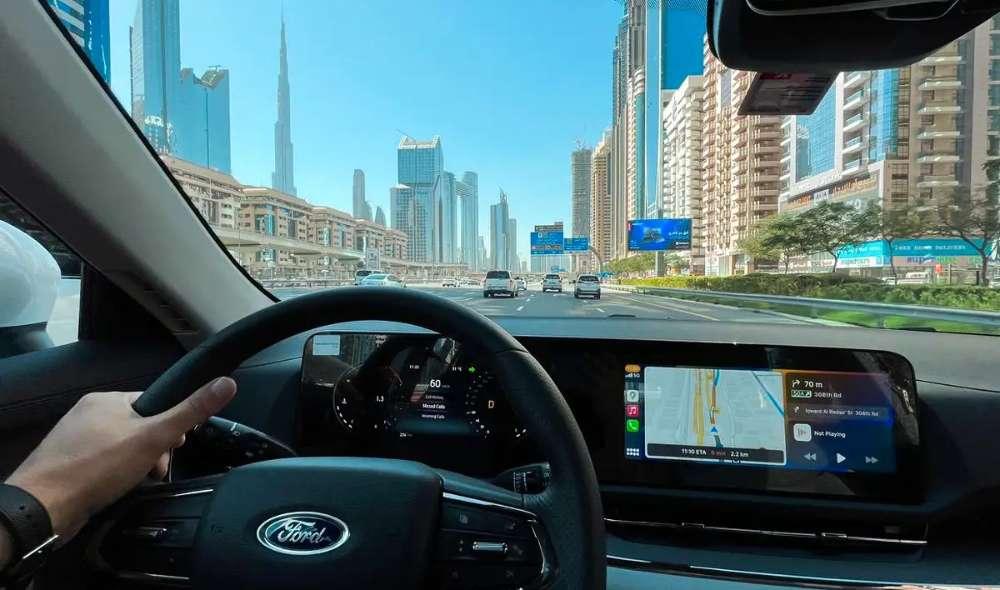
Driving in Dubai involves more than paying for petrol. Drivers also need to account for Salik toll gates, public parking, traffic fines, vehicle insurance, maintenance, and road-trip expenses. The total cost depends on the vehicle, distance travelled, driving habits, and whether someone owns, rents, or uses a taxi. This guide explains the main driving expenses in Dubai, how the charges work, and what drivers can do to plan a realistic budget.
1. What Does It Cost to Drive in Dubai?
Dubai driving costs vary according to the type of vehicle, daily mileage, route, and length of ownership or rental. A driver who travels mainly between home and work may spend much less on tolls and parking than someone who regularly visits Downtown Dubai, Dubai Marina, or other busy areas.
The main expenses include:
-
Fuel: Petrol or diesel used for everyday journeys.
-
Salik tolls: Charges for passing through electronic toll gates.
-
Parking: Public parking fees, private parking charges, and paid parking at destinations.
-
Insurance: Mandatory third-party motor insurance for vehicle owners.
-
Maintenance: Servicing, tyres, oil changes, and unexpected repairs.
-
Registration and inspection: Applicable vehicle registration renewal and testing fees.
-
Traffic fines: Penalties for speeding, illegal parking, and other violations.
-
Vehicle payments: Purchase instalments, depreciation, rental charges, or other financing costs.
Some costs apply to almost every driver, while others depend on how the vehicle is used. For example, a person who rents a car for a weekend may not pay separate registration or annual insurance fees, but the rental agreement may include other charges and usage conditions.
2. Fuel Costs in Dubai
Fuel is one of the most frequent expenses for Dubai drivers. The amount you spend depends on the vehicle's fuel economy, the distance you cover, traffic conditions, and the petrol price in effect when you refuel.
The UAE publishes retail fuel prices monthly. Petrol grades commonly include E-Plus 91, Special 95, and Super 98, while diesel serves vehicles that require it. Check the current rates through the UAE Ministry of Energy and Infrastructure or an official fuel retailer before calculating your budget.
How to Calculate Your Fuel Budget
Use this formula to estimate the cost of a journey:
Fuel cost = Distance travelled ÷ Fuel economy × Fuel price
If a car travels 1,000 km, consumes 8 litres per 100 km, and uses petrol priced at AED 2.50 per litre, the estimated fuel cost is AED 200.
|
Driving distance |
Fuel economy |
Estimated fuel needed |
Cost at AED 2.50/litre |
|
100 km |
8 L/100 km |
8 litres |
AED 20 |
|
500 km |
8 L/100 km |
40 litres |
AED 100 |
|
1,000 km |
8 L/100 km |
80 litres |
AED 200 |
|
2,000 km |
8 L/100 km |
160 litres |
AED 400 |
These figures are illustrative, not current fuel-price quotations. Actual consumption varies by vehicle and driving conditions.
What Affects Fuel Consumption?
Several factors can increase fuel costs in Dubai:
-
Vehicle size: Large SUVs and high-performance cars generally consume more fuel than many compact cars.
-
Traffic congestion: Frequent acceleration and braking can increase consumption.
-
Driving speed: High speeds and aggressive acceleration can reduce fuel efficiency.
-
Air conditioning: Heavy air-conditioning use can increase fuel consumption, particularly in hot weather.
-
Tyre pressure: Incorrect tyre pressure can increase rolling resistance.
-
Journey length: Repeated short trips may be less fuel-efficient than longer journeys.
Drivers who want to reduce fuel expenses should choose a vehicle suited to their usual journeys, maintain the correct tyre pressure, and avoid unnecessary idling.
3. Salik Toll Charges in Dubai
Salik is Dubai's electronic road-toll system. Vehicles pass through designated toll gates without stopping to pay manually, and the system records the applicable toll charge.
Dubai's toll rates changed under a time-based pricing system introduced in January 2025. Under that published structure, standard toll charges are generally AED 6 during peak periods, AED 4 during off-peak periods, and free during designated overnight hours. Ramadan and certain public holidays may have different applicable timings or arrangements.
Because toll policies and operating hours can change, check the official Salik website for the latest rates, gate information, exemptions, and account requirements.
How Much Should You Budget for Salik?
Your total toll expense depends on how many chargeable gates you pass, the time of travel, and any applicable exemptions.
For example, if you pass through three chargeable toll gates on a journey and each costs AED 4, the toll expense for that journey is AED 12. A return journey using the same number of chargeable gates at the same rate would cost AED 24.
|
Chargeable gate crossings |
Example rate per crossing |
Total toll cost |
|
2 |
AED 4 |
AED 8 |
|
4 |
AED 4 |
AED 16 |
|
6 |
AED 6 |
AED 36 |
|
10 |
AED 6 |
AED 60 |
These examples assume every crossing is chargeable at the stated rate. Actual charges depend on the applicable time, gate, and current Salik rules.
How to Avoid Unexpected Toll Expenses
-
Check your route before travelling to identify toll gates.
-
Review Salik terms before using a rental vehicle.
-
Ask whether toll charges are billed separately by your rental company.
-
Keep track of journeys that regularly pass through toll gates.
-
Compare alternative routes where the extra driving time and fuel do not outweigh the toll savings.
Avoiding a toll gate does not automatically make a journey cheaper. A longer alternative route may consume more fuel and take more time, so consider the complete journey cost.
4. Public Parking Costs in Dubai
Parking is another expense that drivers should include in their budgets. Dubai has public parking zones, paid parking facilities, private car parks, and destination-specific parking arrangements.
Public parking tariffs vary by zone, location, duration, and applicable peak or premium rates. Busy commercial districts and popular destinations may have different charges from residential areas. Parking operators may also apply separate tariffs at shopping centres, hotels, airports, and private facilities.
Check the Parkin website for applicable public parking information, tariffs, and payment options.
Common Parking Expenses
|
Parking situation |
What to consider |
|
Residential parking |
Whether your building provides free or paid parking |
|
Workplace parking |
Employer-provided spaces or daily parking charges |
|
Shopping centres |
Free parking periods and charges after the permitted duration |
|
Tourist attractions |
Location-specific parking rules and availability |
|
Airport parking |
Short-term or long-term parking tariffs |
|
Street parking |
Zone-specific fees, timings, and payment requirements |
For example, someone who pays AED 10 per day for workplace parking over 22 working days would spend AED 220 per month. This is an illustrative calculation, not a standard Dubai parking tariff.
Always check the signs or official parking app before leaving your vehicle. Parking in a restricted area, exceeding the permitted duration, or failing to pay the required fee can result in additional charges or fines.
5. Vehicle Insurance Costs in Dubai
Vehicle insurance is a necessary expense for car owners in Dubai. The premium depends on the vehicle's value, age, model, driver profile, claims history, and selected coverage.
The two main types of motor insurance are:
-
Third-party liability insurance: Covers eligible liability for injury or damage caused to other people and their property, subject to the policy terms.
-
Comprehensive insurance: Generally covers third-party liability and damage to the insured vehicle, subject to exclusions, deductibles, and policy conditions.
Comprehensive insurance often costs more because it provides broader protection. However, the actual premium varies between insurers and vehicles, so drivers should compare quotations instead of relying on a fixed price.
When budgeting for insurance, consider the following:
-
Annual premium and renewal costs.
-
Deductible or excess payable when making an eligible claim.
-
Agency or non-agency repair conditions.
-
Roadside assistance and other optional benefits.
-
Coverage for the intended driver and vehicle use.
Drivers who finance a vehicle should also check whether their finance agreement requires comprehensive coverage.
6. Vehicle Registration, Testing, and Renewal Fees
Vehicle owners must budget for registration renewal and any required vehicle testing. The applicable charges depend on the vehicle category, service, and circumstances.
Common expenses include:
-
Vehicle registration renewal.
-
Technical inspection where required.
-
Insurance renewal.
-
Replacement registration documents or plates when necessary.
-
Applicable late-renewal penalties.
Owners should verify the current charges through the Dubai Roads and Transport Authority (RTA) rather than assuming every vehicle has the same renewal cost.
These expenses matter when comparing the cost of owning a car with renting one. A rental customer generally does not arrange the vehicle's annual registration personally, but the rental price and contract terms determine which costs are included and which may be charged separately.
7. Vehicle Maintenance and Repair Expenses
Maintenance costs depend on the vehicle's make, model, mileage, age, and service schedule. A small economy car will often cost less to maintain than a high-performance luxury vehicle, although the exact difference depends on the model and parts required.
Typical maintenance expenses include:
|
Expense |
What determines the cost? |
|
Engine oil and filters |
Vehicle specifications and service interval |
|
Tyres |
Tyre size, brand, and replacement frequency |
|
Brakes |
Driving conditions, components, and wear |
|
Battery |
Battery type and service life |
|
Air-conditioning service |
System condition and required repairs |
|
Mechanical repairs |
Vehicle age, parts, labour, and fault severity |
|
Scheduled servicing |
Manufacturer requirements and workshop rates |
Dubai's hot climate can place additional demands on air-conditioning systems, batteries, tyres, and cooling systems. Drivers should follow the manufacturer's maintenance schedule and address warning signs promptly.
How to Keep Maintenance Costs Under Control
-
Check tyre pressure regularly, especially before longer journeys.
-
Replace worn tyres and damaged components when necessary.
-
Follow the recommended oil-change and service intervals.
-
Inspect the cooling system and air-conditioning performance.
-
Compare workshop quotations for non-urgent repairs.
-
Keep records of maintenance and repair work.
Preventive maintenance can reduce the risk of expensive breakdowns, but drivers should not delay safety-critical repairs to save money.
8. Traffic Fines and Other Driving Penalties
Traffic fines can increase driving expenses unexpectedly. Dubai authorities enforce rules covering speed limits, parking, mobile phone use, seat belts, dangerous driving, and other road-safety matters.
The amount of a fine depends on the specific violation and the applicable regulations. Some offences may also carry black points, vehicle impoundment, or additional penalties.
Common ways to avoid unnecessary fines include:
-
Follow posted speed limits and road signs.
-
Keep a safe distance from other vehicles.
-
Avoid using a handheld phone while driving.
-
Wear seat belts and ensure passengers use them.
-
Park only in permitted spaces.
-
Check vehicle registration and insurance validity.
-
Follow lane markings and traffic signals.
Drivers can check applicable traffic fines and services through the UAE Government's official roadways information and the relevant emirate's official traffic services.
Do not build expected fines into a normal driving budget. Treat them as avoidable penalties and focus on following the rules.
9. Additional Road Tolls Outside Dubai
A journey beyond Dubai can introduce additional toll expenses. Abu Dhabi, for example, operates the Darb toll system, which has its own rules and charging arrangements.
Drivers travelling between Dubai and Abu Dhabi should check whether their route passes through a chargeable Darb gate. They should also review the applicable toll timings, exemptions, and account requirements.
Before taking an inter-emirate trip, check:
-
Whether the destination operates a separate toll system.
-
Which roads and gates carry charges.
-
Whether the vehicle requires a registered toll account.
-
Whether a rental agreement covers toll administration or bills tolls separately.
-
Whether the chosen route adds parking or other destination fees.
The official UAE roadways guide provides information about Dubai's Salik and Abu Dhabi's Darb systems.
10. Is Driving Your Own Car Cheaper Than Renting in Dubai?
The answer depends on how often you drive and how long you need the vehicle. Owning a car involves purchase or financing costs, insurance, registration, maintenance, depreciation, and operating expenses. Renting replaces many ownership responsibilities with a rental charge, although fuel, tolls, parking, and contract-specific fees may still apply.
|
Cost factor |
Owning a car |
Renting a car |
|
Initial expense |
Purchase price or down payment |
Rental payment and any required security deposit |
|
Insurance |
Owner arranges and renews the policy |
Coverage depends on the rental agreement |
|
Registration |
Owner manages renewal |
Generally managed by the rental company |
|
Maintenance |
Owner pays for servicing and repairs |
Responsibility depends on the agreement and cause of damage |
|
Fuel |
Paid by the owner |
Usually paid by the renter |
|
Salik tolls |
Charged according to applicable rules |
May be billed separately by the rental company |
|
Parking |
Paid where applicable |
Paid where applicable |
|
Depreciation |
Owner bears the loss in vehicle value |
Not a direct vehicle ownership cost for the renter |
For a short holiday, a daily rental may be more practical than purchasing a vehicle. For someone who needs regular transport over several months, a monthly rental can simplify budgeting, particularly when the agreement clearly states the included services and extra charges.
People who need a vehicle for different purposes can also compare economy car rental options for everyday journeys or consider a suitable SUV or luxury vehicle when passenger space, luggage capacity, or vehicle preference matters.
For example, Great Dubai offers car rental services that travellers can consider when comparing vehicle options and rental durations. Before booking, confirm the exact model, rental rate, mileage allowance, insurance coverage, deposit policy, delivery arrangements, and toll-billing terms directly with the provider.
When Does Renting Make Financial Sense?
Renting may suit drivers who:
-
Visit Dubai for a short holiday or business trip.
-
Need a vehicle temporarily while their own car is unavailable.
-
Want to avoid the long-term financial commitment of purchasing a car.
-
Need a larger vehicle for a particular journey.
-
Prefer a fixed rental period instead of managing vehicle ownership.
Owning may suit people who drive regularly for years and are comfortable paying the associated fixed and variable costs. A fair comparison should include depreciation and financing costs rather than considering fuel alone.
11. How to Estimate Your Monthly Driving Budget
A useful monthly budget includes both predictable expenses and costs that vary with usage. Start with the distance you expect to travel, then estimate fuel, tolls, parking, and other vehicle-related expenses.
Use the following categories:
|
Expense |
How to estimate it |
|
Fuel |
Monthly kilometres × fuel consumption × current fuel price |
|
Salik |
Expected chargeable gate crossings × applicable toll rate |
|
Parking |
Expected paid hours or days × applicable tariff |
|
Insurance |
Annual premium divided by 12 |
|
Registration and testing |
Expected annual fees divided by 12 |
|
Maintenance |
Estimated annual maintenance budget divided by 12 |
|
Vehicle payment |
Monthly finance instalment or rental charge |
|
Other expenses |
Roadside assistance, cleaning, or applicable additional services |
For a vehicle owner, depreciation is also important when calculating the full economic cost of driving. For a renter, focus on the rental charge and any expenses excluded from the agreement.
A practical budget should also include a contingency for unexpected repairs or changes in driving patterns. Keep estimates separate from confirmed charges so that your monthly total remains realistic.
12. Practical Ways to Reduce Driving Costs in Dubai
Drivers can manage their expenses without compromising road safety or vehicle maintenance.
Choose a vehicle that matches your needs. A compact car can be more economical for solo commuting, while an SUV may be appropriate for families or trips that require more space.
Plan journeys efficiently. Combine nearby errands, check traffic conditions, and consider whether a different route would reduce the total cost of fuel and tolls.
Monitor fuel consumption. Track monthly kilometres and fuel purchases to identify changes in efficiency.
Check parking rules before arrival. Confirm tariffs, free parking periods, and permitted parking duration before leaving the vehicle.
Review toll charges regularly. Keep track of Salik or other applicable tolls, particularly if you commute across several chargeable gates.
Maintain the vehicle properly. Follow service schedules and address mechanical problems before they become more expensive.
Compare rental agreements carefully. When renting, examine the total price, mileage allowance, insurance terms, excess kilometres, toll administration fees, and potential damage charges instead of comparing daily rates alone.
Avoid preventable fines. Follow speed limits, parking rules, and all other traffic regulations.
Frequently Asked Questions About Driving Costs in Dubai
Is fuel expensive in Dubai?
Fuel costs depend on the monthly UAE retail price, vehicle efficiency, and distance travelled. The UAE adjusts petrol and diesel prices periodically, so drivers should check the current rate before estimating monthly expenses.
How much does petrol cost in Dubai?
For October 2026, the published UAE retail prices are AED 4.21 per litre for E-Plus 91, AED 4.28 for Special 95, and AED 4.40 for Super 98. Diesel costs AED 4.80 per litre. These rates apply to October 2026; check the latest announcement before refuelling in a later month. Source: Emirates News Agency (WAM)
Do drivers pay Salik every time they pass a toll gate?
Salik charges depend on the applicable toll rules, crossing time, and any exemptions. Some crossings may be free during designated periods, so drivers should check the current official schedule rather than assuming every passage costs the same amount.
Is parking free in Dubai?
Some locations provide free parking or free periods, but many public parking areas and private facilities charge fees. Drivers should check local signs and the relevant operator's current tariff before parking.
What is the biggest driving expense in Dubai?
The largest expense depends on the driver. For an owner, vehicle purchase or financing, depreciation, and insurance can outweigh day-to-day fuel expenses. For a frequent driver, fuel, parking, and tolls may represent a substantial share of recurring costs. For a renter, the rental charge is often the main expense.
Is renting a car cheaper than owning one in Dubai?
Renting can be more economical for short visits or temporary transport needs because it avoids the purchase price and many ownership responsibilities. Owning may suit regular long-term use. Compare the total cost over the same period, including vehicle payments, depreciation, insurance, maintenance, fuel, parking, and tolls.
Do rental cars in Dubai include Salik charges?
Not necessarily. Rental companies may deduct toll charges from a deposit, bill them after the rental, or apply additional administration fees according to their terms. Check the agreement before collecting the vehicle.
Final Thoughts
Dubai driving costs include fuel, Salik tolls, parking, insurance, maintenance, registration, and other expenses that depend on the vehicle and how it is used. Drivers can estimate these costs more accurately by tracking monthly mileage, checking official tariffs, and comparing the full cost of owning or renting a vehicle.
The most useful approach is to calculate both fixed and usage-based expenses before choosing a vehicle or planning a journey. A realistic budget helps drivers manage everyday transport costs without overlooking the smaller charges that accumulate over time.

 Arabic
 French
 Spanish
 Portuguese
 Deutsch
 Turkish
 Dutch
Dutch
 Italiano
 Russian
 Romaian
 Portuguese (Brazil)
 Greek
Greek