


AI Proofreader Improve Clarity, Accuracy, and Writing Quality
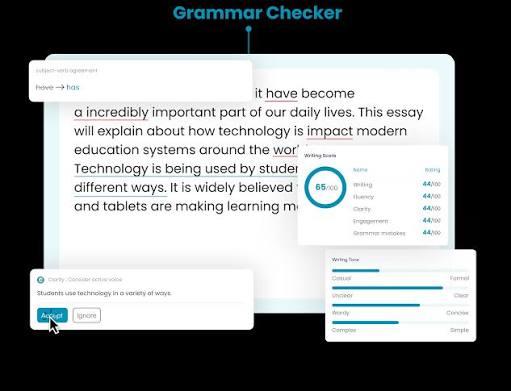
Even a well-researched article can lose its impact because of unclear sentences, grammatical mistakes, or awkward phrasing. A misplaced comma or an unnecessarily complicated explanation may seem minor, but these issues can make writing harder to understand. For students, professionals, and content creators, reviewing every sentence manually can also take considerable time.
An AI proofreader tool offers a practical way to identify writing problems and improve readability without losing the original meaning. By combining language analysis with thoughtful editing, writers can refine their work, communicate ideas more effectively, and produce content that feels polished and natural. The real value lies not in making every sentence sound perfect, but in helping every sentence serve its purpose.
What Is an AI Proofreader?
An AI proofreader is a digital tool that examines text for grammatical errors, spelling mistakes, punctuation issues, and problems with sentence construction. Depending on its capabilities, it may also identify repetitive wording, unclear expressions, inconsistent tone, and opportunities to improve readability.
Unlike a basic spellchecker, an AI-powered proofreading tool can evaluate language in context. It may recognize that a sentence is grammatically correct but unnecessarily complicated, or that a word is technically accurate but unsuitable for the intended audience.
These features make AI proofreading useful for academic assignments, business emails, website content, reports, and everyday communication. Writers can identify common mistakes more efficiently while retaining control over the final version.
How Does AI Proofreading Improve Writing?
Identifying Grammar and Punctuation Errors
Grammar and punctuation influence how readers interpret information. Incorrect verb agreement, inconsistent tense, or misplaced punctuation can interrupt the flow of an otherwise strong piece of writing.
An AI proofreader reviews these elements and suggests corrections based on the surrounding text. For example, it may recommend changing a confusing sentence structure or correcting an inconsistent verb tense.
Writers should still review suggested changes carefully, especially when working with technical terminology, specialized expressions, or deliberate stylistic choices.
Improving Clarity and Sentence Flow
Correct grammar does not automatically make writing easy to understand. Long sentences, vague references, and unnecessary repetition can prevent readers from following an argument.
AI proofreading tools can highlight these weaknesses and suggest clearer alternatives. Breaking an overloaded sentence into two shorter statements, for instance, may make an explanation more accessible without removing important details.
The goal is to preserve the writer's intended message while making it easier for readers to understand.
Maintaining a Consistent Tone
Different types of writing require different approaches. A business proposal may need a professional tone, while a blog post should feel approachable and conversational.
An AI proofreader can help identify language that does not match the intended style. It may suggest replacing overly casual expressions in a formal document or simplifying complicated wording in reader-focused content.
However, writers should avoid accepting every suggestion automatically. Consistency matters, but a distinctive voice is equally important.
Who Can Benefit From an AI Proofreader?
Students and Academic Writers
Students can use AI proofreading to identify language mistakes, improve sentence structure, and make assignments easier to follow. Researchers may also find it helpful when preparing abstracts, reports, and manuscripts.
Proofreading should support learning rather than replace it. Understanding why a correction is necessary helps writers recognize recurring mistakes and develop stronger editing skills over time.
Bloggers and Digital Marketers
Website content must communicate information clearly while meeting readers' expectations. Bloggers and marketers can use proofreading tools to review articles, landing pages, newsletters, and product descriptions before publication.
A careful review can improve readability, remove distracting errors, and make important information easier to find. However, proofreading alone cannot guarantee search rankings. Content must also satisfy user needs, provide accurate information, and demonstrate genuine value.
Professionals and Business Teams
In professional communication, small writing errors can create confusion or make a message appear less polished. An AI proofreader can help employees review proposals, presentations, client emails, and internal documents before sharing them.
For teams producing large amounts of content, consistent proofreading can also support a more efficient editorial workflow.
Using Isgen for AI-Assisted Proofreading
Isgen provides AI-powered writing tools that can support users who want to review and refine their text. When using an AI proofreader, writers should focus on corrections that improve clarity, grammar, and readability without changing the meaning of the original material.
A practical approach begins with completing the first draft. Next, review the text with a proofreading tool and examine the suggested corrections individually. Check whether each change improves the sentence, preserves the intended tone, and fits the surrounding context.
Finally, read the revised version from beginning to end. This final review helps catch awkward transitions, missing information, and changes that may have introduced new errors.
Combining automated assistance with human judgment produces a more reliable editing process than accepting every recommendation without review.
Best Practices for Effective AI Proofreading
To get better results from an AI proofreader, follow a few simple principles:
- Proofread after drafting: Finish developing your ideas before focusing on minor language corrections.
- Review suggestions individually: Accept changes that improve the writing, not those that merely make it different.
- Preserve your voice: Keep expressions and stylistic choices that communicate your personality or brand identity.
- Verify technical details: Check specialized terminology, names, statistics, and factual claims independently.
- Complete a final read-through: Make sure the edited document remains accurate, coherent, and natural.
These habits help writers use technology efficiently while maintaining responsibility for the final content.
Conclusion
An AI proofreader can make the editing process faster and more manageable by identifying grammatical mistakes, improving sentence clarity, and highlighting inconsistent language. From academic assignments to professional documents and website articles, it offers practical support for anyone who wants to communicate more effectively.
However, good proofreading involves more than correcting errors. It requires understanding the audience, preserving meaning, and recognizing when a suggested change does not fit the context.

 English
 French
 Spanish
 Portuguese
 Deutsch
 Turkish
 Dutch
Dutch
 Italiano
 Russian
 Romaian
 Portuguese (Brazil)
 Greek
Greek