


Is Solar Power Energy Really Worth It for UK Homes?
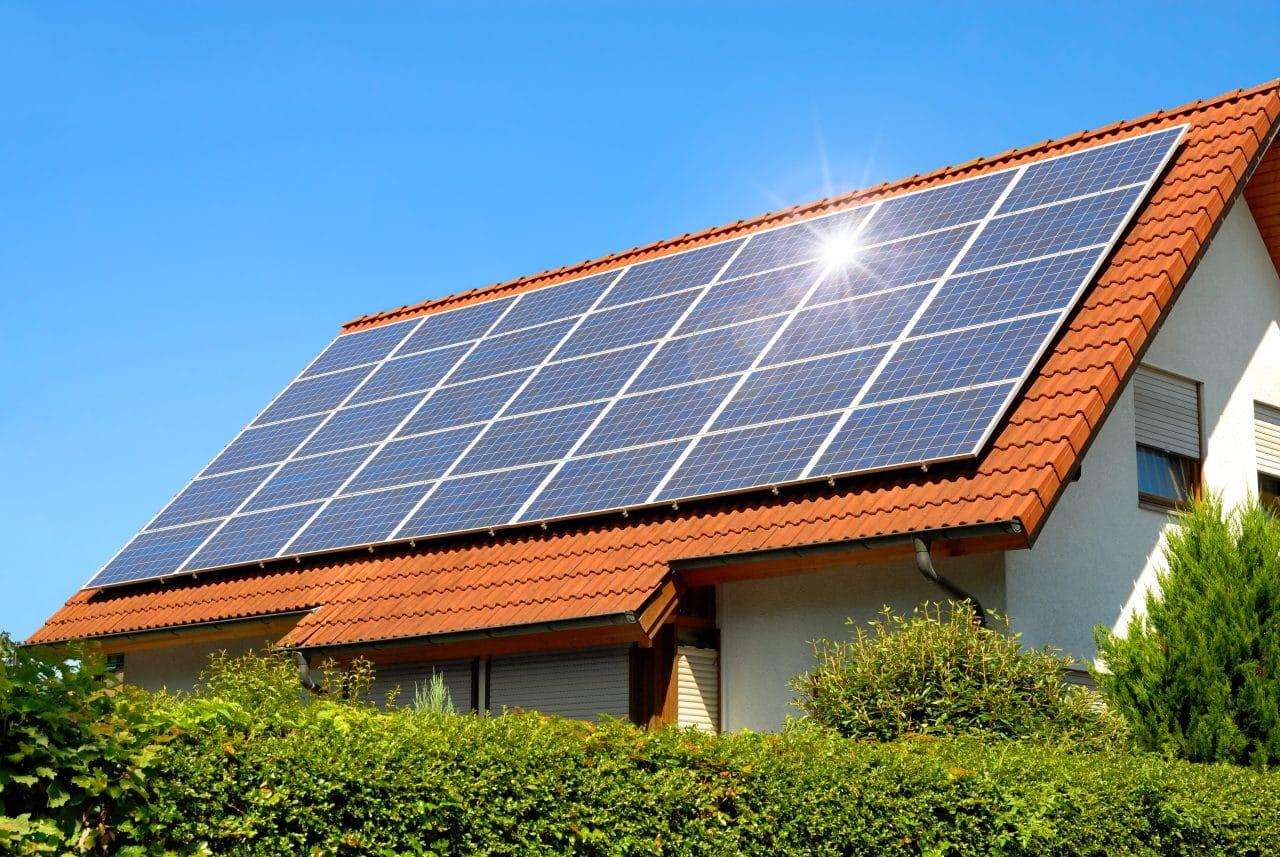
Rooftops across the UK are increasingly being used as small-scale power stations. Improvements in panel technology, rising household energy costs and greater interest in renewable electricity have made solar a practical option for many homeowners.
Before making a decision, however, it is important to understand the installation process, expected costs, roof suitability and potential long-term savings. Looking beyond the initial price can help homeowners decide whether solar is suitable for their property.
What Makes Solar Installation Suitable for UK Homes?
The UK may not be known for year-round sunshine, but solar panels do not need constant bright sunlight to produce electricity. They can generate power from daylight, making them useful even during cloudy conditions.
A professional solar panel installation services project normally considers:
-
Roof direction and available space
-
Roof condition and structural suitability
-
Shading from trees or nearby buildings
-
Household electricity consumption
-
Panel capacity required
-
Inverter requirements
-
Potential battery storage
-
Available roof mounting options
South-facing roofs are traditionally considered favourable, but east- and west-facing roofs can also work effectively depending on the property and household's electricity usage.
How Much Does Solar Panel Installation Cost?
One of the first questions homeowners ask is how much they should budget. The solar panel installation cost depends on several factors rather than being a single fixed figure.
The size of the system is one of the biggest influences. A larger household using more electricity may require more panels, increasing both equipment and installation costs.
Other factors affecting solar panel installation cost include:
-
Number and type of panels
-
Inverter specification
-
Roof complexity
-
Scaffolding requirements
-
Labour
-
Electrical work
-
Battery storage
-
Monitoring equipment
-
Additional roof or wiring work
Because every property is different, getting a property-specific quotation is more useful than relying solely on an average figure.
Does a Bigger Solar System Always Mean Better Savings?
Not necessarily. The ideal system should match the property's electricity requirements, roof space and available generation potential.
Installing more panels can increase electricity production, but homeowners also need to consider how much of that electricity they can use themselves. A correctly designed solar power installation uk system aims to balance generation with household demand.
For example, a homeowner who is regularly away during daylight hours may produce electricity when the property is using relatively little power. Battery storage can potentially help by storing surplus electricity for later use.
What Should Homeowners Consider Before Installation?
A few checks can prevent unexpected costs and performance issues.
-
Check the roof condition
Installing panels on a roof that needs major repairs may create additional complications. -
Assess shading
Trees, chimneys and surrounding buildings can reduce solar generation. -
Review electricity consumption
Recent energy bills can help determine an appropriate system size. -
Consider future electricity use
Electric vehicles, heat pumps or home extensions could increase future demand. -
Compare installation quotations
Look beyond the headline price and check what equipment and services are included.
What Is Included in Solar Panel Installation Cost?
When comparing quotations, homeowners should check exactly what they are paying for. Two companies can provide very different prices because their packages may include different components.
A quotation may cover:
-
Solar panels
-
Inverter
-
Mounting system
-
Cabling
-
Labour
-
Scaffolding
-
Electrical connections
-
System commissioning
-
Monitoring setup
-
Documentation
Battery storage may be quoted separately. Therefore, the solar panel installation cost should always be compared on a like-for-like basis.
How Does the Installation Process Work?
A typical solar power installation uk project follows several stages.
1. Property Assessment
The installer assesses the roof, available space, shading, electrical setup and likely system requirements.
2. System Design
The system is designed around the property's roof and expected electricity consumption. Panel positioning and inverter selection are considered at this stage.
3. Installation
Mounting equipment is secured to the roof before panels are positioned and connected. Electrical components are then installed and connected to the home's electrical system.
4. Testing and Commissioning
The completed system is tested to ensure that the panels, inverter and electrical connections operate correctly.
5. Monitoring
Many modern systems provide monitoring tools that allow homeowners to see electricity generation and, depending on the setup, household consumption.
Can Solar Panels Work With Battery Storage?
Yes. Solar panels and batteries can complement one another.
During periods when solar generation exceeds household demand, surplus electricity can be directed into a battery rather than being immediately unused. The stored electricity can then potentially be used later.
However, adding a battery increases the overall solar panel installation cost. Whether it makes financial sense depends on factors such as household consumption patterns, electricity prices and the size of the solar system.
How Can Homeowners Get Better Value From Solar?
The best results usually come from matching the system to the way the home actually uses electricity.
Homeowners can consider:
-
Running appliances during periods of solar generation
-
Using smart controls where appropriate
-
Reducing unnecessary electricity consumption
-
Monitoring daily generation
-
Considering battery storage where suitable
-
Maintaining panels and associated equipment
A well-planned solar power installation uk system can therefore become part of a broader strategy for managing household electricity rather than simply being a collection of panels on the roof.
Is Solar Worth Considering for Your Home?
Solar can be a worthwhile long-term investment for homeowners who have suitable roof space, consistent electricity demand and a reasonable expectation of using the electricity generated.
The most important decision is not simply finding the cheapest solar panel installation cost. Instead, homeowners should look at the complete system, installation quality, expected generation, equipment specification and long-term household requirements.
With the right design, solar power can help UK households generate their own electricity while reducing reliance on electricity purchased from the grid.
Final Considerations
Before committing to a solar power installation uk project, homeowners should compare professional quotations, inspect the proposed system design and understand exactly what is included.
Likewise, the solar panel installation cost should be evaluated alongside expected electricity generation and household usage rather than viewed as an upfront expense alone. A properly designed system can provide useful renewable electricity for many years, making solar an increasingly relevant consideration for UK homeowners.

 English
 Arabic
 French
 Spanish
 Portuguese
 Turkish
 Dutch
Dutch
 Italiano
 Russian
 Romaian
 Portuguese (Brazil)
 Greek
Greek