


Plastic Surgery Instruments: Why Precision Shapes Every Result
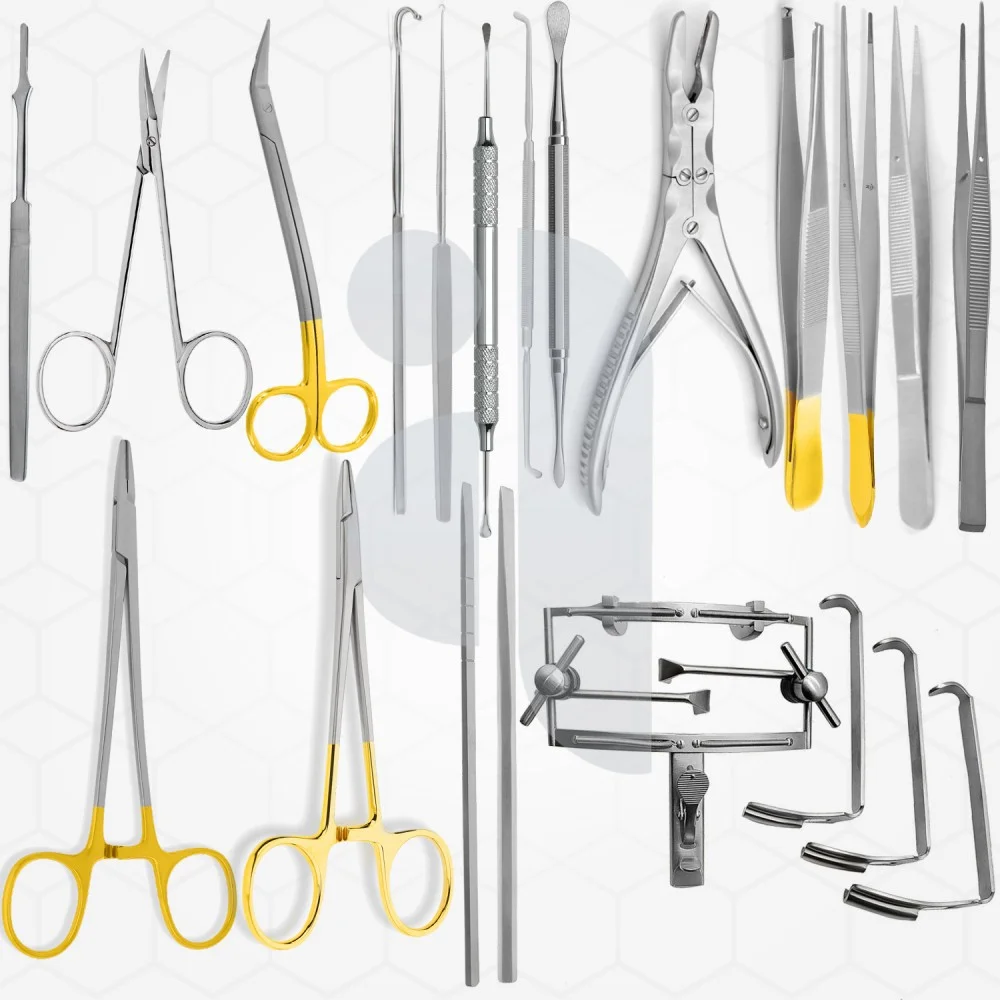
Plastic surgery leaves almost no room for error. An incision that wanders by a millimeter can become a visible scar your patient lives with for years. Your surgeons know this better than anyone, and the tools in their hands either support that precision or quietly work against it.Low-quality plastic surgery instruments look affordable on paper, but the cost shows up later in patient outcomes. Buy for the closure, not the invoice.
What Sets These Tools Apart
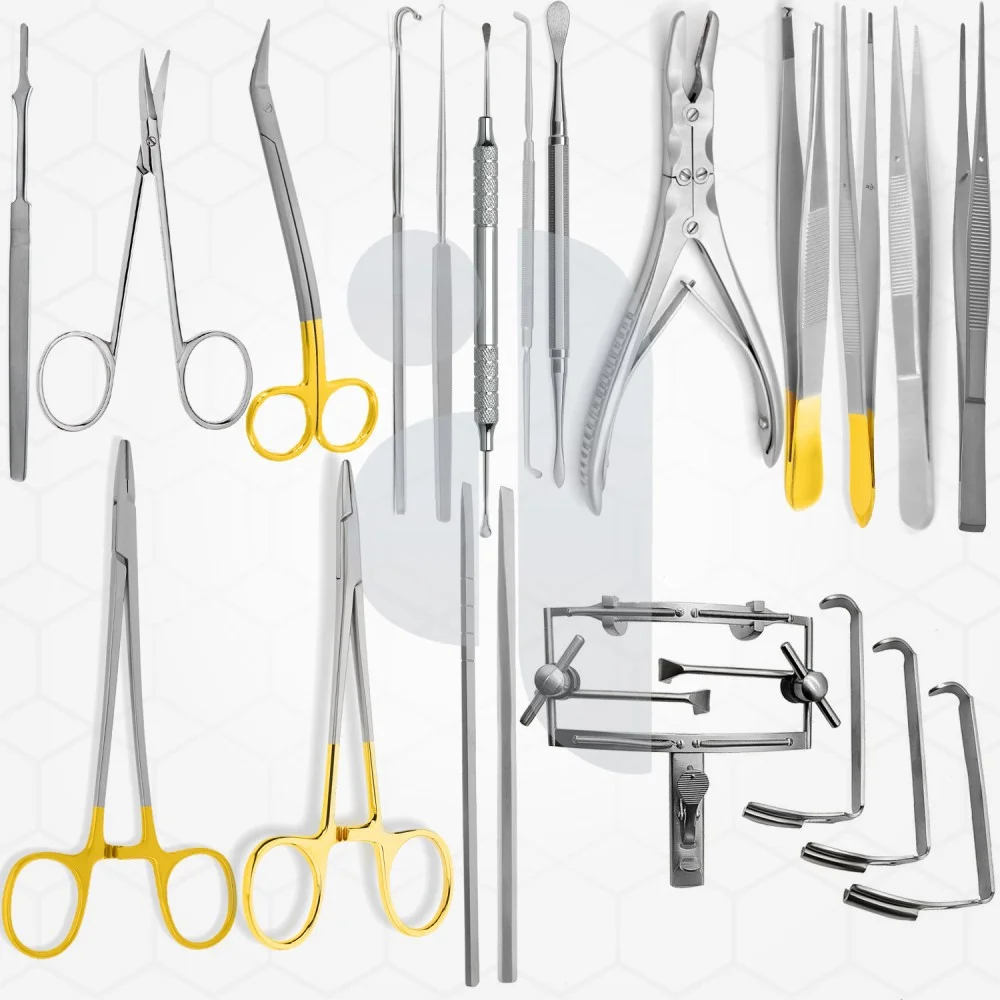
Plastic surgery instruments are medical instruments designed for delicate work on skin, soft tissue, and the fine structures of the face and body. This category includes fine scissors, needle holders, skin hooks, retractors, and tissue forceps. Orthopedic tools are built for force. Plastic surgery tools are built for control, with fine tips, light weight, and balance that keeps your surgeon's hand steady through a four-hour procedure. Fatigue is real, and it shows up in the final stitches. Treat precision as the main specification, not a bonus.
Where Low-Grade Tools Let You Down
Cheap instruments rarely fail in an obvious way. They fail in small ways that add up. Forceps with misaligned teeth crush tissue instead of holding it. Scissors that drag instead of cut leave ragged edges that heal poorly. Fine tips bend after a few sterilization cycles, and nobody notices until a closure doesn't sit right. Low-quality plastic surgery instruments look affordable on paper, but the cost shows up later in patient outcomes. Buy for the closure, not the invoice.
How to Judge Quality Before You Order
You don't need a lab to spot a good instrument. Close a pair of forceps and hold them up to the light. The tips should meet evenly with no gap. Test scissors on gauze and check that they cut cleanly all the way to the tip. Work the ratchets on needle holders, which should lock firmly and release smoothly. Look at the finish too, since a satin surface cuts glare under bright operating room lights. Then ask your supplier how they inspect plastic surgery instruments before shipping. A detailed answer is a good sign. A vague one tells you what you need to know.
Two Decades of Getting the Details Right
AzeeMed focuses on making surgical instruments of the highest quality for the medical community around the globe. With over two decades of experience, the company understands that fine surgery depends on fine tools. Its plastic surgery instruments are made with close attention to tip alignment, edge sharpness, and balance in the hand. These are the details your surgeons feel in every case, whether they mention them or not.
One Supplier Across Your Specialties
Your plastic surgery team probably isn't the only department you stock. AzeeMed also supplies instruments for dental, ophthalmic, neuro surgical instrument set and spine, and orthopedic surgeries. You get one quality standard across departments, fewer vendors to manage, and one contact when you need something quickly. Fewer suppliers means fewer surprises.
Conclusion
In plastic surgery, your tools show up in the result, sometimes for the rest of a patient's life. Precision, balance, and durability are what you're really paying for. Choose plastic surgery instruments that pass a hands-on check and come from a manufacturer with proven experience. When you're ready to plan your next order, contact AzeeMed and tell them what your surgical team needs.

 English
 Arabic
 French
 Spanish
 Portuguese
 Turkish
 Dutch
Dutch
 Italiano
 Russian
 Romaian
 Portuguese (Brazil)
 Greek
Greek