


How to Sell a Car in Alberta Without Getting Scammed
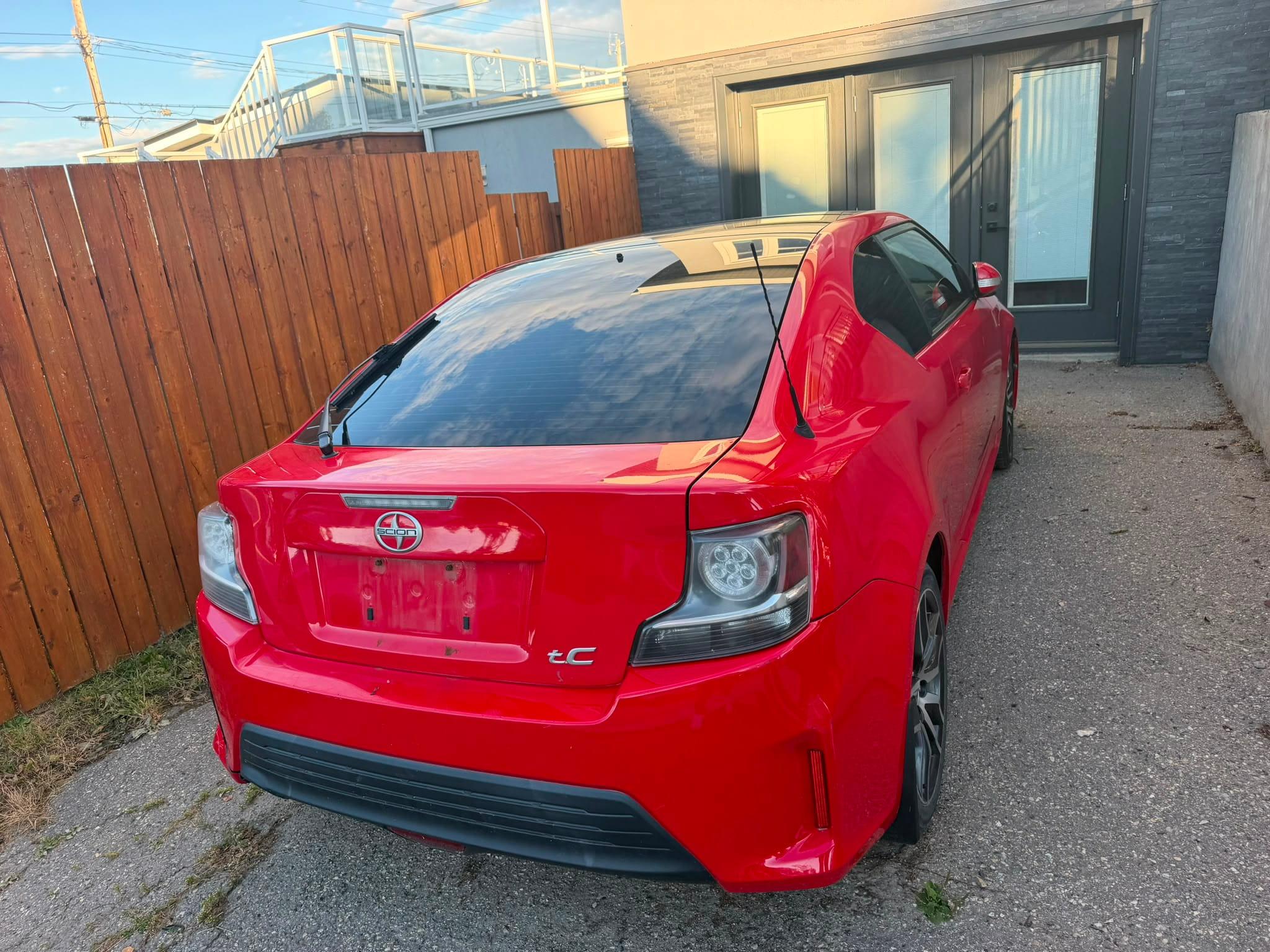
Selling a car privately in Alberta should be simple: list it, show it, get paid, hand over the keys. For a lot of sellers it is. But Marketplace and Kijiji are also where scammers go looking for people in a hurry, and car sellers are a favourite target because the amounts are large and the transaction happens fast.
The good news is that almost every car-selling scam follows a handful of predictable patterns. Learn to spot them and you're very hard to fool. This guide covers the most common scams Alberta sellers run into, the red flags that give them away, and a step-by-step routine for getting paid safely.
Why Car Sellers Are Targeted
Scammers like vehicle sales for three reasons. The amounts are big enough to be worth the effort. Sellers are often under time pressure — moving, buying another car, or just tired of answering messages. And the final step, handing over keys, can't be undone. Once the car is gone, getting it back is difficult, especially if you handed it over willingly.
The Six Most Common Car-Selling Scams
1. The fake e-transfer notification
The buyer "sends" an Interac e-Transfer and shows you a confirmation screen, or you get an official-looking email or text saying the money is on its way. It isn't. Screenshots and notifications can be faked in seconds. The only proof that matters is the money sitting in your own account, which you check by logging into your banking app yourself — not by clicking a link in a message.
2. The overpayment
The buyer sends more than the asking price — by cheque, bank draft or a transfer that hasn't cleared — and asks you to refund the difference, often to "cover the shipper." Days later the original payment bounces or is reversed, and you've lost both the refund and possibly the car. A real buyer has no reason to overpay you.
3. The out-of-province buyer who can't see the car
Someone from another province wants your car sight unseen, will pay full price, and is sending a shipping company or "cousin" to collect it. Nobody buys an ordinary used car from across the country without seeing it. This setup almost always leads to a payment scam.
4. The "vehicle history report" phishing link
A buyer asks you to get a history report from a specific website they link to. The site takes your card details, charges you, and the buyer disappears. Alberta sellers have been warned about this exact pattern. If a real buyer wants a report, they can order it themselves from a provider they trust.
5. The verification code request
The buyer says they need to "verify you're real" and asks you to read back a code sent to your phone. That code is often the key to taking over your Marketplace, email or banking account. Never share a code sent to your phone with anyone.
6. The test drive that doesn't come back
A buyer asks to take the car for a drive alone, or swaps keys while you're distracted. Always ride along, keep the keys in your hand between drives, and take a photo of the buyer's driver's licence first.
Red Flags at a Glance
|
Red flag |
What it usually means |
|
Buyer won't talk on the phone, only text |
Often overseas or using a fake identity |
|
Wants to buy without seeing the car |
Setting up a payment or shipping scam |
|
Offers more than your asking price |
Overpayment scam |
|
Sends a link for you to click |
Phishing for card or account details |
|
Asks for a code sent to your phone |
Account takeover attempt |
|
Urgent pressure — "I need it today, I'll send money now" |
Trying to rush you past normal checks |
|
Story keeps changing |
You're not dealing with a real buyer |
A Safe Selling Routine, Step by Step
1. Prepare your documents. Have your registration, photo ID and a bill of sale ready. Alberta's standard bill of sale lists both names, the VIN, the price and the date.
2. Screen buyers by phone. A short call filters out most scammers. Real buyers are happy to talk.
3. Meet somewhere safe. Choose a busy public place in daylight. Edmonton police and TELUS set up designated online-exchange areas in police station parking lots, covered by video cameras, for exactly this kind of meeting.
4. Check their ID before the test drive. Photograph their driver's licence, and ride along.
5. Agree the price, then get paid properly. For larger amounts, a bank draft verified in person at the issuing bank, or a transfer you confirm in your own banking app, are the safest options. Don't accept personal cheques.
6. Only hand over keys when the money is in your account. Not "pending," not "on its way." In your account.
7. Complete the bill of sale and keep a copy. It proves when ownership changed.
8. Keep your plate. In Alberta the licence plate belongs to you, not the car.
9. Cancel or transfer the registration and call your insurer. Do it the same day so you're not responsible for the car after it's gone.
If You're Buying, Watch for These Too
Sellers aren't the only targets. If you're buying a used car privately in Alberta, watch for curbsiders — unlicensed dealers posing as private sellers — and for odometer tampering. In 2026, Edmonton police laid fraud charges in a case involving vehicles bought on Facebook Marketplace, with odometers allegedly rolled back by hundreds of thousands of kilometres before resale. A vehicle history report, a pre-purchase inspection and a seller whose name matches the registration go a long way.
When a Private Sale Isn't Worth the Risk
For a valuable, late-model vehicle, a careful private sale can still be worth the effort. But if your car is older, high-kilometre, damaged or not running, the maths changes. You'll spend weeks fielding messages for a car that might sell for a few thousand dollars or less, and every message is another chance to meet a scammer.
In that case, a reputable local buyer is often the simpler route. Edmonton sellers can get a quote from a service like yegcashforcars.ca, have the car towed for free and be paid at pickup, with the paperwork handled on the spot — no strangers, no test drives and no payment screenshots to second-guess.
What to Do If You've Been Scammed
1. Contact your bank immediately. The faster you report it, the better the chance of stopping or tracing a transfer.
2. Report it to your local police. In Edmonton, non-emergency fraud can be reported to the Edmonton Police Service.
3. Report it to the Canadian Anti-Fraud Centre, which tracks scams across the country.
4. Report the account to the marketplace where you met the buyer.
5. If the car is gone, give police the VIN, plate and the buyer's details, and tell your insurer.
Quick Answers
Is Interac e-Transfer safe for selling a car?
It can be, as long as you confirm the money has arrived by logging into your own banking app. Never rely on an email, text or screenshot.
Do I need a bill of sale in Alberta?
Yes. It's your proof of the sale and the buyer needs it to register the vehicle.
Should I let a buyer take the car to their mechanic?
Only if you go with them, or if they leave a substantial verified deposit and you've checked their ID. Never let a stranger drive off alone.
The Bottom Line
Car-selling scams rely on speed and pressure. Slow down, talk to buyers on the phone, meet in a safe place, and never hand over keys until the money is genuinely in your account. Follow that routine and you'll avoid nearly every trick in the book.

 English
 Arabic
 French
 Spanish
 Portuguese
 Deutsch
 Turkish
 Dutch
Dutch
 Italiano
 Romaian
 Portuguese (Brazil)
 Greek
Greek