


 About
 Terms
 Privacy
How Can Melasma Treatment Improve Skin Appearance?
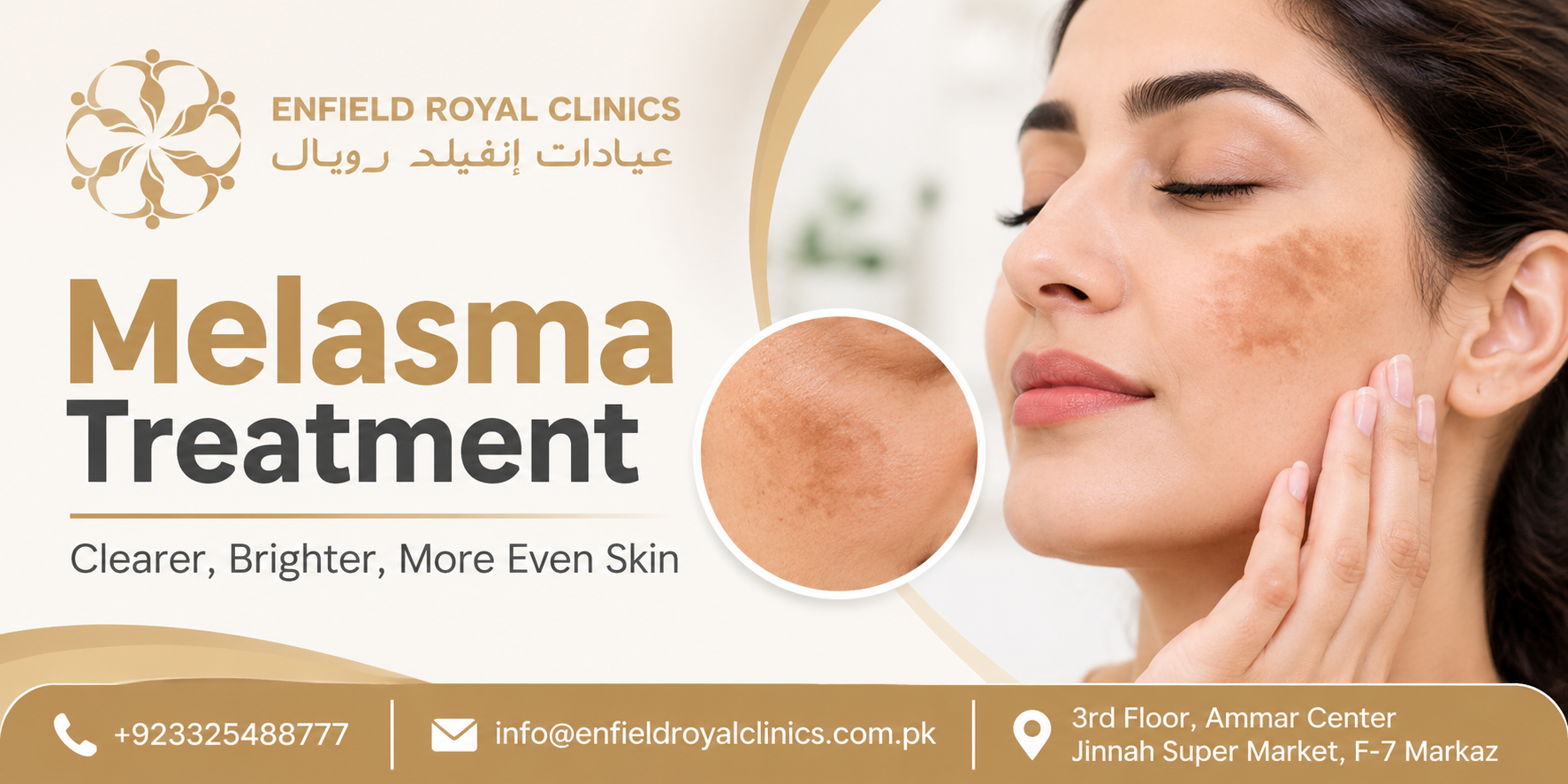
Healthy and glowing skin can make a person feel more confident and comfortable with their appearance. However, pigmentation problems such as melasma can affect the natural complexion and create uneven skin tone. Melasma is a common skin condition that causes brown, greyish-brown, or dark patches to appear on different areas of the face, particularly the cheeks, forehead, nose, and upper lip.
Although melasma is not generally harmful to physical health, its visible appearance can become a concern for individuals who want clear and balanced skin. Factors such as sun exposure, hormonal changes, genetics, and heat can contribute to the development of this condition. Fortunately, modern skincare offers different approaches to managing pigmentation and improving overall skin appearance.
Melasma Treatment in Islamabad provides individuals with several options for addressing stubborn dark patches and achieving a more even-looking complexion. Depending on the skin condition, treatment may involve topical pigmentation products, chemical peels, or selected laser procedures. Understanding how these treatments work can help individuals make informed decisions about their skincare needs.
1. How Does Melasma Affect Overall Skin Appearance?
Melasma develops when melanocytes, the cells responsible for producing melanin, become overactive. Excessive melanin production creates darker areas that appear different from the surrounding skin.
These patches usually develop gradually and may become more noticeable over time. They commonly affect sun-exposed areas of the face and can vary in size, shape, and intensity.
Melasma can affect skin appearance in several ways:
-
Uneven Complexion: Dark patches create differences in skin tone and make the complexion appear inconsistent.
-
Visible Facial Pigmentation: Brown or greyish patches can become noticeable on the cheeks, forehead, and upper lip.
-
Dull Appearance: Uneven pigmentation may make the skin look less radiant.
-
Reduced Confidence: Persistent dark patches can make some individuals feel uncomfortable about their appearance.
-
Recurring Discoloration: Without proper management, pigmentation may become darker or return after improvement.
The condition can affect different skin types, although it is more common in individuals with medium to darker skin tones. Understanding the cause and severity of pigmentation is an important step towards selecting suitable treatment options.
2. How Can Melasma Treatment Improve Skin Appearance?
Melasma Treatment in Islamabad focuses on reducing excess pigmentation and improving the overall balance of skin tone. Different treatments work through different mechanisms, depending on the type and depth of pigmentation.
Here are some ways professional pigmentation management can improve skin appearance.
Reducing Dark Patches
Suitable pigmentation treatments help reduce excessive melanin production, making dark patches gradually less noticeable. This can improve the contrast between affected areas and the surrounding skin.
Creating a More Even Complexion
As pigmentation becomes lighter, the skin may develop a more balanced appearance. This helps reduce the visible differences between darker and lighter areas.
Improving Skin Brightness
Certain topical ingredients support skin renewal and provide antioxidant protection. These products may help the complexion look fresher and brighter.
Supporting Healthy Skin Texture
Some treatment approaches, particularly carefully selected chemical peels, help remove accumulated dead skin cells and encourage surface renewal.
Improving Overall Facial Appearance
By managing visible pigmentation, suitable treatments can help create a more uniform complexion without changing the skin's natural characteristics.
The level of improvement varies according to pigmentation depth, skin sensitivity, treatment consistency, and individual response.
3. Which Treatment Options Help Improve Melasma?
Modern skincare provides several options for managing melasma. The appropriate method depends on the individual's skin condition, pigmentation severity, and treatment goals.
Topical Pigmentation Products
Topical treatments are commonly used to reduce excess pigmentation and support a more even skin tone. They contain active ingredients that target different aspects of melanin production and skin health.
Some commonly used ingredients include:
-
Vitamin C: Helps protect the skin against oxidative stress and supports a brighter complexion.
-
Niacinamide: Supports the skin barrier and helps improve uneven pigmentation.
-
Azelaic Acid: Helps manage pigmentation and inflammation.
-
Kojic Acid: Helps reduce excessive melanin production.
-
Hydroquinone: A pigmentation-reducing ingredient that may be prescribed for selected cases under professional supervision.
These products usually require regular application, and improvements develop gradually.
Chemical Peels
Chemical peels involve applying specially formulated solutions to exfoliate the outer layers of the skin. They can help improve superficial pigmentation and encourage skin renewal.
The peel strength and formulation should be selected according to the individual's skin type. Excessively strong peels may cause irritation and worsen melasma, particularly in darker skin tones.
Laser and Light-Based Treatments
Selected laser procedures target excess pigment and may help manage persistent pigmentation in certain individuals.
However, laser treatments are not suitable for everyone. Some procedures can cause inflammation or post-inflammatory hyperpigmentation. A careful skin assessment is necessary before considering this approach.
4. What Are the Main Benefits of Melasma Treatment for Facial Skin?
Professional pigmentation management can offer several benefits for individuals who want to improve their skin appearance.
More Balanced Skin Tone: Reducing visible pigmentation can help create a more uniform complexion.
Reduced Dark Spots: Suitable treatments may gradually lighten brown and greyish patches.
Brighter-Looking Skin: Managing excess melanin can help improve the appearance of dull and uneven skin.
Personalized Skincare: Different treatment options can be selected according to skin type, sensitivity, and pigmentation depth.
Better Skin Confidence: Improvements in visible pigmentation may help individuals feel more comfortable with their appearance.
Improved Skin Maintenance: Professional recommendations can help individuals develop healthier skincare habits and reduce common pigmentation triggers.
It is important to understand that melasma is a chronic condition. Treatments can improve its appearance, but complete and permanent removal cannot always be guaranteed.
5. How Does Skin Type Influence Melasma Treatment Results?
Every individual's skin responds differently to pigmentation treatments. Factors such as oil production, sensitivity, skin tone, and pigmentation depth influence treatment selection.
For example, individuals with sensitive skin may require gentle topical formulations to avoid irritation. People with oily skin may benefit from lightweight, non-comedogenic products, while dry skin may require additional moisturization to maintain a healthy skin barrier.
Melasma is also classified according to the depth of pigmentation:
-
Epidermal Melasma: Pigmentation affects the upper layer of the skin and may respond more readily to topical products.
-
Dermal Melasma: Excess pigment is located deeper in the skin and can be more difficult to manage.
-
Mixed Melasma: Both superficial and deeper layers are affected, sometimes requiring a combination of treatment methods.
Before starting Melasma Treatment in Islamabad, a professional assessment can help determine the pigmentation pattern and identify suitable treatment options.
This is particularly important for darker skin tones because aggressive exfoliation and unsuitable laser procedures can increase pigmentation rather than improve it.
6. Why Is Sun Protection Important for Maintaining Better Skin Appearance?
Sun exposure is one of the major factors that can worsen melasma. Ultraviolet radiation stimulates melanin production, making existing dark patches more noticeable and increasing the risk of recurring pigmentation.
Even after successful treatment, insufficient sun protection can affect the results.
Individuals managing melasma should follow these important precautions:
-
Apply broad-spectrum SPF 30 or higher sunscreen every morning.
-
Consider tinted sunscreen containing iron oxides for additional protection against visible light.
-
Reapply sunscreen every two hours when outdoors.
-
Wear wide-brimmed hats and sunglasses during outdoor activities.
-
Avoid unnecessary exposure to direct sunlight and excessive heat.
-
Use gentle skincare products to prevent irritation.
Consistent sun protection helps maintain improvements and supports healthier-looking skin over time.
7. How Can Individuals Maintain Healthy-Looking Skin After Treatment?
Maintaining an improved complexion requires regular skincare and attention to factors that contribute to pigmentation. Since melasma can return, long-term maintenance is an important part of managing the condition.
Individuals should consider the following practices:
-
Follow a consistent skincare routine based on their skin type.
-
Use recommended pigmentation products as directed.
-
Keep the skin moisturized to support its natural protective barrier.
-
Avoid harsh scrubs and excessive exfoliation.
-
Apply sunscreen throughout the year.
-
Avoid unverified skin-whitening creams and bleaching products.
-
Attend follow-up assessments when recommended.
A gentle skincare routine can help reduce irritation and support the skin's natural barrier. Individuals should also avoid combining multiple strong active ingredients without professional guidance.
With consistent care, the skin can maintain a healthier appearance while the risk of pigmentation recurrence may be reduced.
Frequently Asked Questions (FAQs)
1. Can Melasma Treatment make the skin look brighter?
Yes, suitable melasma treatments can reduce excess pigmentation and improve uneven skin tone. As dark patches become lighter, the complexion may appear brighter and more balanced.
2. How long does Melasma Treatment take to improve skin appearance?
Results vary depending on pigmentation depth, skin type, and treatment method. Some individuals may notice gradual improvement within several weeks, while others require a few months.
3. Is Melasma Treatment suitable for darker skin tones?
Yes, treatment options are available for darker skin tones. However, careful selection is important because aggressive procedures may increase the risk of post-inflammatory hyperpigmentation.
4. Can chemical peels improve melasma?
Chemical peels may help reduce superficial pigmentation and improve skin appearance. The peel formulation and strength must be selected carefully to avoid irritation.
5. Can melasma return after treatment?
Yes, melasma can return due to sun exposure, hormonal fluctuations, and other triggers. Consistent sunscreen use and maintenance skincare can help manage recurrence.
6. What is the best way to maintain an even skin tone after Melasma Treatment?
Daily sunscreen, gentle skincare, appropriate pigmentation products, and professional follow-up are important for maintaining improvements and reducing the risk of recurring dark patches.
Conclusion
Melasma can affect the natural appearance of the skin by creating dark patches, uneven pigmentation, and differences in complexion. However, suitable treatment approaches can help reduce excess melanin and improve overall skin appearance.
Melasma Treatment in Islamabad offers different options for individuals looking to manage stubborn pigmentation and achieve a more balanced complexion. From topical skincare products to chemical peels and selected laser procedures, the right approach depends on individual skin requirements. With proper assessment, consistent skincare, and daily sun protection, individuals can work towards brighter, healthier-looking, and more even-toned skin.
❤️ Support Friends Aim! View a sponsored ad to help cover our website costs. Thanks!
Support Us — Ad 1 Support Us — Ad 2- Arts, Culture & Design
- Automotive & Transport
- Accounting & Finance
- Advertising & Marketing
- Agriculture & Farming
- Business & Consulting
- Books & Publishing
- Building & Construction
- Beauty & Personal Care
- Baby, Kids & Parenting
- Charity & Social Causes
- Crafts & Handmade
- Careers & Jobs
- Computers & Laptops
- Consumer Electronics
- Entertainment & Events
- Food & Beverages
- Delivery & Logistics
- Digital Media & Content
- Dating & Relationships
- E-Commerce & Retail
- Education & Learning
- Energy & Environment
- Fitness
- Fashion & Apparel
- Gaming & Toys
- Government & Legal
- Gardening
- Health & Medical Care
- Home Decor & Furniture
- IT & Software
- Industrial & Tools
- Import & Export
- Jewelry & Watches
- Lifestyle & Wellness
- Legal Services & Law
- News & Media
- News & Current Affairs
- Religion & Faith
- Sports
- Technology
- Travel & Tourism
- Weddings & Events
- Other

 Arabic
 French
 Spanish
 Portuguese
 Deutsch
 Turkish
 Dutch
 Italiano
 Russian
 Romaian
 Portuguese (Brazil)
 Greek