


 About
 Terms
 Privacy
Pool Excavation and Groundwork: The Foundation of Every Good Pool
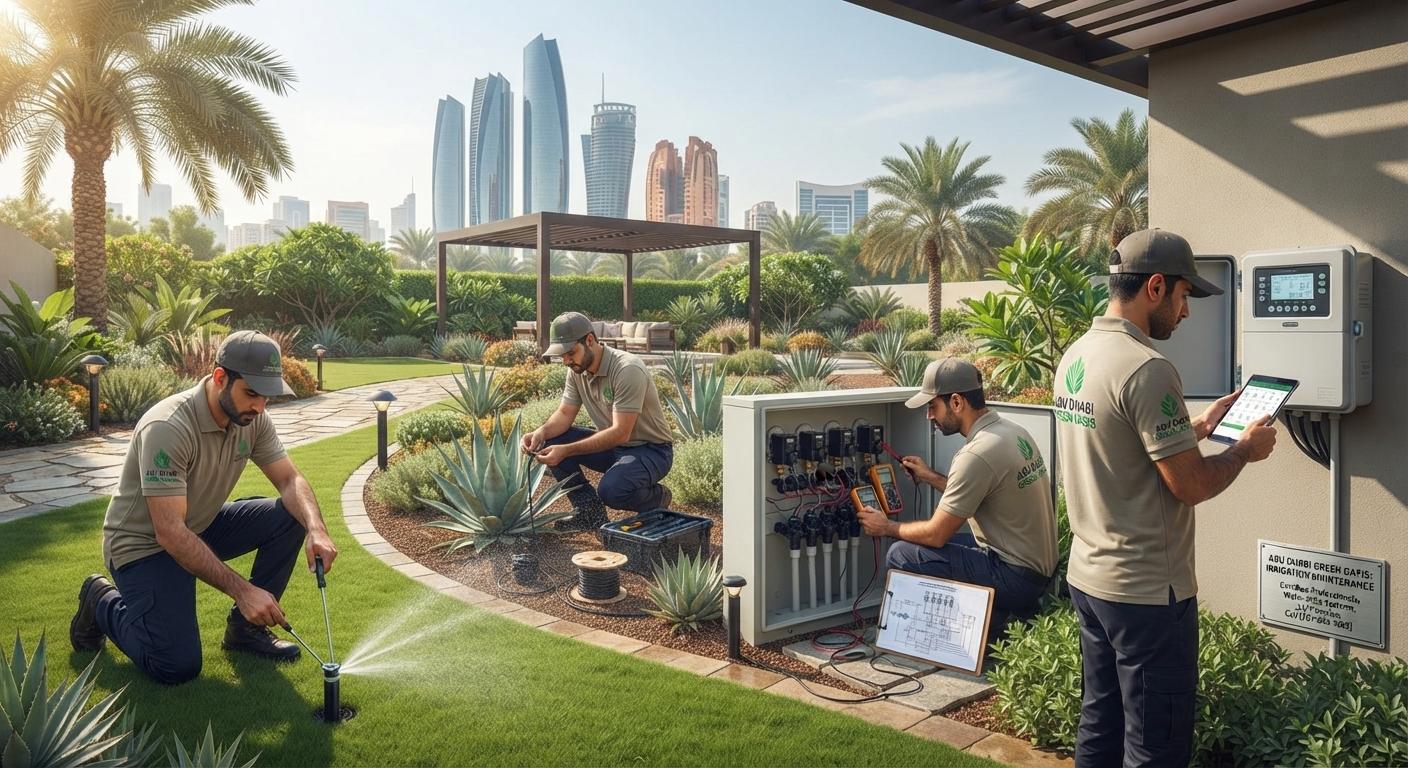
When homeowners picture a new swimming pool, they usually think about the finished result: glittering blue water, smooth tiles, underwater lights and a relaxing deck. What they rarely think about is what happens underground before any of that is possible. Yet the strength, safety and lifespan of every pool depend on the work done in the first few weeks of construction. If the ground isn't properly prepared, even the most expensive tiles and equipment won't stop cracks, leaks and settling later on.
In Abu Dhabi, this early stage is even more critical. Sandy soil can shift and collapse, coastal areas often have a high water table, buried utilities run close to villa boundaries and extreme heat affects how concrete cures. That's why professional pool excavation and groundwork is the most important investment you make in your project. Our Atlanta Pools construction team has prepared sites for villa pools across the city, and we know how much the right groundwork shapes the final result. Every project we deliver through our villa swimming pool construction service starts with careful planning below the surface. If you're thinking about adding a pool, now is the right time to discuss your pool project and get expert advice before digging begins.
In this guide, we explain what excavation and groundwork involve, the different types of pool digs, the benefits of doing it properly, what to consider before you start and how the process works step by step.
What Is Pool Excavation and Groundwork?
Pool excavation is the process of digging the hole that will hold your pool's structure. Groundwork covers everything done to prepare that hole and the surrounding area so the pool can be built safely and last for decades.
Together, these stages usually include:
- Site survey and setting out: measuring the plot, checking levels and marking the exact pool shape on the ground.
- Soil assessment: understanding soil type, compaction and groundwater conditions.
- Locating utilities: identifying buried water, power, drainage and telecom lines before digging.
- Excavation: removing soil to the correct depth, shape and slope.
- Shoring and stabilisation: supporting the walls of the dig so sandy soil doesn't collapse.
- Dewatering: pumping out groundwater where the water table is high.
- Compaction and levelling: preparing a firm, even base.
- Blinding concrete and waterproofing: creating a clean, stable layer to build on.
- Trenching for plumbing and electrical lines: preparing routes to the plant room and equipment.
- Soil removal and backfilling: taking away excess soil and refilling around the finished structure.
Done properly, groundwork gives your pool a strong, level and waterproof foundation. Done badly, it leads to cracked shells, uneven floors, leaks and costly repairs.
That's why choosing a pool builder with real excavation experience matters so much. It's also worth thinking ahead to life after handover. A pool built on solid groundwork is far easier to look after, and post construction pool care costs less when the structure is sound from day one.
Types of Pool Excavation for Abu Dhabi Villas
Not every pool is dug the same way. The type of excavation depends on your design, plot size, access and soil conditions.
1. Standard in-ground excavation.
The most common type for villa pools. The full pool shape is dug into the ground, with depth varying from a shallow end to a deeper swimming area. Most skimmer pools use this approach.
2. Overflow and infinity pool excavation.
Overflow pools need extra excavation for balance tanks, perimeter channels and precise level control. The groundwork must be exact, because even small level errors affect how water spills over the edge. Our guide to overflow infinity pool designs explains why these pools need such careful preparation.
3. Plunge pool and compact excavation.
Smaller villas and townhouses often choose plunge pools. Excavation is shallower and smaller but usually happens in tight spaces, so manual digging or small machinery may be needed.
4. Semi in-ground excavation.
Part of the pool sits below ground and part above, often on sloped plots or where groundwater is very high. This reduces excavation depth while keeping a built-in look.
5. Excavation for pool renovation.
Sometimes an existing pool needs partial excavation to fix leaks, replace plumbing or reshape the structure. This requires extra care to protect existing landscaping and paving.
6. Excavation for spas and water features.
Jacuzzis, spill-over spas and water features attached to the pool need their own excavation, plumbing trenches and foundations.
Whatever the type, a well-built pool needs planned care afterwards. Many homeowners arrange maintenance contracts after handover so their new pool stays in perfect condition from the very first season.
Benefits of Professional Excavation and Groundwork
Cutting corners during excavation may seem like a way to save money, but it almost always costs more later. Here's what proper groundwork gives you.
Structural strength and stability.
A firm, compacted, level base supports the weight of the concrete shell and thousands of litres of water. This prevents settling, cracking and uneven floors.
Leak prevention.
Proper blinding, waterproofing and careful pipe trenching greatly reduce the risk of leaks, which are among the most expensive pool problems to find and repair.
Safe working conditions.
Shoring and stabilisation stop sandy walls from collapsing during construction. This protects workers, neighbouring walls and nearby structures.
Protection for surrounding property.
Careful excavation avoids damage to boundary walls, villa foundations, driveways and underground utilities.
Better equipment performance.
Well-planned trenches and correctly placed plant rooms make plumbing runs shorter and more efficient. Following the correct pump installation process from the start helps your filtration system work quietly and efficiently for years.
Fewer delays and budget surprises.
Proper site surveys and soil checks reveal problems such as high groundwater or buried rock before digging begins, not halfway through.
A cleaner start for your pool.
When construction is managed well, less debris ends up in the finished pool. A professional first pool cleaning service then removes any remaining dust and residue so your pool is ready to enjoy.
Important Factors to Consider Before Excavation Begins
Planning before the first shovel goes into the ground saves time, money and stress. Here are the main factors to consider.
Approvals and permissions.
Most villa communities and master developers in Abu Dhabi require approval before pool construction starts. Your contractor should help prepare drawings and handle the required permissions.
Soil and groundwater conditions.
Coastal and island communities often have a high water table, which means groundwater can flood the dig. Some inland areas have compacted layers or rock. Understanding your soil helps plan the right excavation method, shoring and dewatering.
Site access.
Many villas have narrow side passages or finished landscaping. Your contractor needs to plan how machinery enters, where soil is stored and how it's removed without damaging walls or gates.
Underground utilities.
Water lines, electrical cables, irrigation pipes and drainage often run through gardens. These must be located and protected before digging.
Pool design and depth.
The final design determines excavation depth, slope, steps, benches and any extra features such as balance tanks or spas. Changes after digging are expensive, so finalise the design first.
Contractor experience.
Excavation is specialised work. Working with experienced local pool builders means your project benefits from knowledge of local soil, regulations and weather conditions.
Single point of responsibility.
Projects run more smoothly when one company handles design, excavation, structure, plumbing and finishing. A complete pool building service avoids the gaps and blame-shifting that can happen when several contractors are involved.
Timing and weather.
Extreme summer heat affects working hours and concrete curing. Good contractors plan pours for cooler times of day and use proper curing methods to prevent cracking.
How Does Pool Excavation and Groundwork Work? Step by Step
Every project is unique, but professional pool excavation usually follows these stages.
Step 1: Site survey and design confirmation.
The team measures the plot, checks levels and confirms the pool's exact position, shape and depth. Final drawings are approved before work begins.
Step 2: Utility locating and site protection.
Buried services are identified and marked. Paving, plants and walls near the work area are protected, and access routes for machinery are prepared.
Step 3: Setting out.
The pool outline is marked on the ground using pegs, string lines or paint, with allowances for wall thickness and working space.
Step 4: Excavation.
Machinery or manual labour removes soil to the planned depth and profile. Depths are checked continually against the design.
Step 5: Shoring and dewatering.
In sandy or unstable soil, walls are supported to prevent collapse. If groundwater enters, pumps keep the excavation dry so work can continue safely.
Step 6: Compaction and base preparation.
The base is levelled and compacted to create firm, even support. A layer of blinding concrete is then poured to give a clean, stable working surface.
Step 7: Waterproofing and reinforcement.
Waterproof membranes are laid where needed, followed by steel reinforcement for the pool floor and walls.
Step 8: Plumbing and electrical trenching.
Trenches are dug for pipes running to skimmers, main drains, return jets, overflow channels and the plant room. Electrical conduits for lights and equipment are laid at the same time. For overflow designs, extra attention goes into overflow pool construction details such as balance tank placement and channel levels.
Step 9: Backfilling and soil removal.
Once the structure is complete and pressure-tested, the space around the walls is backfilled and compacted. Excess soil is removed from the site.
Working with trusted pool contractors UAE homeowners rely on means each of these steps is supervised, checked and documented before moving to the next.
Applications: Where Proper Groundwork Makes the Biggest Difference
Good groundwork matters for every pool, but it's especially important in these situations.
Coastal and island villas.
Homes in waterfront and island communities often face high groundwater and loose sandy soil. Dewatering, strong shoring and careful waterproofing are essential here.
Tight townhouse plots.
Small gardens with limited access need careful planning for machinery, soil storage and removal. Plunge pools and compact designs are common, and every centimetre counts.
Luxury and overflow pools.
Infinity and overflow pools depend on perfect levels. Groundwork errors show up as uneven water spill or constant water loss.
Pools with advanced equipment.
Heaters, chillers, salt systems and automation all need properly planned plumbing routes and plant room foundations. A correct pool pump system setup depends on trenches and pipe runs being right from the start.
Pool renovations and extensions.
Adding a spa, extending the shallow end or replacing old plumbing all involve partial excavation near existing structures, which takes extra care and skill.
Family homes planning long-term use.
Families who plan to stay in their villa for many years benefit most from a pool built to last. Pairing a well-built pool with new pool upkeep plans keeps it safe and beautiful for years.
Why Choose Atlanta Pools for Pool Excavation and Groundwork?
At Atlanta Pools, we believe every great pool starts below the surface. Our team handles excavation and groundwork with the same care we put into tiling, lighting and finishing, because we know the hidden work decides how long your pool will last.
Here's what you can expect from us:
- End-to-end project delivery. From design and approvals to excavation, structure and finishing, our turnkey pool construction projects give you one accountable team.
- Local ground expertise. We understand Abu Dhabi's sandy soil, high water table areas and the challenges of building in extreme heat.
- Careful site management. We protect your villa, landscaping and neighbouring properties throughout the dig.
- Quality checks at every stage. Depths, levels, reinforcement and plumbing are inspected before we move forward.
- Support after handover. Your relationship with us doesn't end when the pool is filled. Our ongoing pool AMC support keeps your new pool running perfectly year after year.
Conclusion
Excavation and groundwork may be invisible once your pool is finished, but they decide almost everything about how it performs. A properly surveyed, dug, stabilised and prepared site gives you a strong, level, leak-free pool that lasts for decades. Cutting corners at this stage leads to cracks, leaks and repair bills that far outweigh any short-term savings.
If you're ready to build a pool that's strong from the ground up, plan your pool build with our team and get expert guidance from day one. Once your project is complete, our pool cleaning after construction service makes sure your new pool is spotless and ready to enjoy.
Frequently Asked Questions (FAQs)
1. How long does pool excavation take?
For a typical villa pool, excavation usually takes a few days to a week. Groundwater, rock, tight access or complex designs can extend this.
2. What happens if groundwater is found during excavation?
The contractor uses dewatering pumps to keep the excavation dry. Extra waterproofing and structural measures may also be needed to protect the pool long term.
3. Do I need approval before digging a pool in Abu Dhabi?
In most cases, yes. Villa communities and developers usually require approved drawings before construction begins. Your pool contractor can guide you through the process.
4. What happens to the excavated soil?
Some soil may be reused for backfilling or landscaping, while the excess is loaded and removed from the site by the contractor.
5. Can a pool be built in a small garden?
Yes. Compact pools and plunge pools are designed for small spaces. Careful planning of access, machinery and soil removal makes excavation possible even in tight plots.
❤️ Support Friends Aim! View a sponsored ad to help cover our website costs. Thanks!
Support Us — Ad 1 Support Us — Ad 2- Arts, Culture & Design
- Automotive & Transport
- Accounting & Finance
- Advertising & Marketing
- Agriculture & Farming
- Business & Consulting
- Books & Publishing
- Building & Construction
- Beauty & Personal Care
- Baby, Kids & Parenting
- Charity & Social Causes
- Crafts & Handmade
- Careers & Jobs
- Computers & Laptops
- Consumer Electronics
- Entertainment & Events
- Food & Beverages
- Delivery & Logistics
- Digital Media & Content
- Dating & Relationships
- E-Commerce & Retail
- Education & Learning
- Energy & Environment
- Fitness
- Fashion & Apparel
- Gaming & Toys
- Government & Legal
- Gardening
- Health & Medical Care
- Home Decor & Furniture
- IT & Software
- Industrial & Tools
- Import & Export
- Jewelry & Watches
- Lifestyle & Wellness
- Legal Services & Law
- News & Media
- News & Current Affairs
- Religion & Faith
- Sports
- Technology
- Travel & Tourism
- Weddings & Events
- Other

 Arabic
 French
 Spanish
 Portuguese
 Deutsch
 Turkish
 Dutch
 Italiano
 Russian
 Romaian
 Portuguese (Brazil)
 Greek