


 About
 Terms
 Privacy
Rhinoplasty in Riyadh: Exploring Options for Subtle Nose Refinement
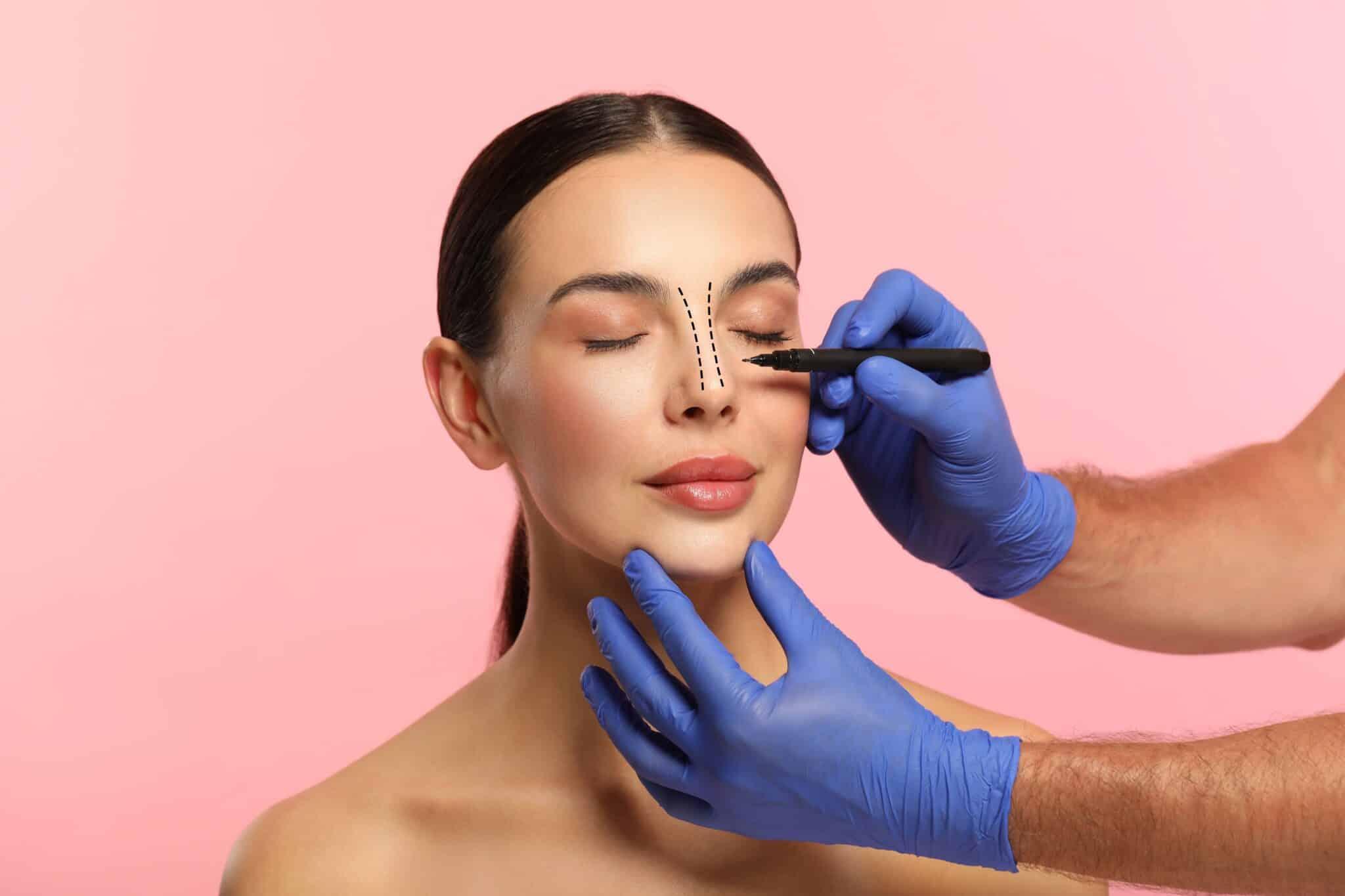
The appearance of the nose plays an important role in overall facial harmony. Even small differences in nasal shape, width, projection, or symmetry can influence how facial features complement one another. For individuals considering aesthetic improvements, subtle nose refinement offers an opportunity to explore changes that respect natural facial characteristics rather than dramatically altering appearance. With developments in modern surgical techniques, Rhinoplasty in Riyadh (عملية تجميل الأنف في الرياض) has become an important consideration for people interested in personalized nasal enhancement.
Across Saudi Arabia, individuals researching nose reshaping procedures often want to understand the available techniques, expected outcomes, recovery process, and factors that influence surgical planning. Rather than focusing exclusively on appearance, modern rhinoplasty approaches may also consider nasal structure and breathing function. Understanding these aspects can help individuals make informed decisions and develop realistic expectations before considering surgery.
Understanding the Concept of Subtle Nose Refinement
Subtle nose refinement focuses on improving selected nasal features while maintaining a natural relationship between the nose and the surrounding facial structures. The objective is not necessarily to create a completely different nose but to address specific characteristics that may affect facial proportions.
For example, some individuals may be concerned about a noticeable nasal hump, a slightly uneven bridge, a rounded nasal tip, or differences in nostril appearance. Others may want to improve the overall balance between their nose, chin, forehead, and cheeks.
A personalized approach considers the individual's facial anatomy, skin characteristics, nasal cartilage, and personal aesthetic preferences. These factors help determine which changes may be appropriate and whether surgical intervention can realistically achieve the desired result.
Why People Consider Rhinoplasty in Riyadh
People explore nose reshaping for different personal and functional reasons. Some are interested in refining their facial appearance, while others may have concerns related to nasal structure or breathing difficulties.
Rhinoplasty in Riyadh attracts attention from individuals seeking modern approaches to nasal correction and personalized surgical planning. The decision to undergo surgery is highly individual and should be based on a thorough understanding of potential benefits, limitations, and risks.
Common reasons for considering rhinoplasty include:
Improving Nasal Symmetry
Minor differences between the two sides of the nose can influence facial balance. Rhinoplasty may help address selected structural irregularities, although perfect symmetry is not always achievable because natural facial asymmetry is common.
Refining the Nasal Tip
The nasal tip contributes significantly to the overall appearance of the nose. Some individuals seek refinement of a rounded, broad, drooping, or poorly defined tip. Surgical planning may involve adjusting cartilage to create a more balanced appearance.
Addressing a Prominent Nasal Bridge
A noticeable bump or irregularity along the nasal bridge can be a concern for individuals interested in a smoother nasal profile. Depending on the anatomy, surgical techniques may be used to modify the underlying bone and cartilage.
Improving Nasal Proportions
The nose should complement other facial features. Rhinoplasty planning considers the relationship between nasal length, width, projection, and surrounding structures to support a balanced appearance.
Different Approaches to Nose Refinement
Modern rhinoplasty includes different surgical approaches, and the most appropriate technique depends on the individual's anatomy and treatment objectives. A qualified surgeon evaluates the nasal framework before recommending a particular method.
Open Rhinoplasty
Open rhinoplasty involves a small incision across the columella, the tissue separating the nostrils, along with internal incisions. This approach allows the surgeon to lift the nasal skin and obtain a clearer view of the underlying cartilage and bone.
It may be suitable for procedures requiring detailed structural adjustments, significant tip refinement, or more complex nasal corrections. The approach also allows precise visualization during surgery.
Closed Rhinoplasty
Closed rhinoplasty involves incisions placed inside the nostrils. Because there is no external columellar incision, the technique avoids a visible external incision.
It may be appropriate for selected patients whose surgical requirements can be addressed through an internal approach. However, its suitability depends on the complexity of the planned modifications and the surgeon's assessment.
Structural Rhinoplasty
Structural rhinoplasty focuses on maintaining or improving the support of the nasal framework while making aesthetic adjustments. Cartilage grafts may sometimes be used to reinforce specific areas and support nasal shape.
This approach can be particularly relevant when structural stability and long-term nasal function are important considerations.
How Rhinoplasty Planning Supports Natural-Looking Results
Achieving subtle results requires careful assessment and individualized planning. Every person's nose has a different combination of cartilage, bone, skin thickness, and internal anatomy. Therefore, the same surgical technique may produce different outcomes in different individuals.
During an initial consultation, the surgeon typically evaluates facial proportions, nasal shape, skin characteristics, and breathing function. The individual's concerns and expectations are also discussed to establish realistic treatment goals.
Facial Proportion Assessment
The nose is evaluated in relation to the forehead, cheeks, lips, and chin. A change that appears suitable for one facial structure may not be appropriate for another.
For this reason, surgical planning should focus on overall facial harmony rather than attempting to reproduce a particular nose shape.
Skin Thickness and Nasal Structure
Skin thickness can influence how clearly underlying structural changes become visible. Thicker nasal skin may limit the definition of certain features, while thinner skin may make small irregularities more noticeable.
Cartilage strength and bone structure also affect which refinements can be performed safely and effectively.
Understanding Individual Expectations
A detailed discussion helps clarify which features an individual wants to address. It also allows the surgeon to explain what surgery can realistically accomplish.
Computer-generated simulations may sometimes be used as visual planning tools, but they should not be interpreted as guaranteed predictions of surgical results.
Rhinoplasty in Saudi Arabia: Understanding Functional and Aesthetic Goals
Interest in Rhinoplasty in Riyadh is often connected to broader searches for modern nasal surgery options throughout the country. People researching Rhinoplasty in Saudi Arabia may be interested in both cosmetic improvements and procedures that address structural concerns affecting breathing.
Cosmetic rhinoplasty primarily focuses on changing the external appearance of the nose. Functional rhinoplasty, on the other hand, addresses structural issues that may interfere with normal airflow.
Septoplasty and Nasal Breathing
A deviated septum occurs when the wall separating the nasal passages is displaced or uneven. This condition may contribute to breathing difficulties, depending on its severity and other nasal factors.
Septoplasty is a procedure designed to correct the position of the nasal septum. In selected cases, it may be performed alongside rhinoplasty when both functional and aesthetic concerns need attention.
Nasal Valve Concerns
The nasal valves are important areas within the nose that regulate airflow. Structural narrowing or weakness in these areas can contribute to breathing problems.
A functional assessment helps determine whether nasal valve correction may be necessary as part of a broader treatment plan.
What to Expect During the Rhinoplasty Recovery Process
Recovery is an important part of the overall rhinoplasty experience. Healing varies between individuals depending on the surgical technique, extent of correction, personal health factors, and the body's natural healing response.
Immediately after surgery, patients may experience swelling, bruising, congestion, and temporary discomfort. These effects are generally expected during the early recovery period and should gradually improve.
The First Week After Surgery
During the initial recovery period, patients may need to wear a nasal splint to protect and support the nose. Swelling and bruising around the nose and eyes can occur.
Following postoperative instructions is important. Patients should avoid unnecessary pressure on the nose and attend scheduled follow-up appointments.
Gradual Improvement Over Several Weeks
As healing progresses, visible swelling generally decreases, and the nose begins to reveal more of its refined shape. However, some swelling, particularly around the nasal tip, may remain for a longer period.
Returning to physical activities should be guided by the surgeon. Contact sports and activities that could cause nasal injury may need to be avoided for an extended period.
Long-Term Healing
Final rhinoplasty results develop gradually. Although significant improvements may become noticeable within the first few months, complete refinement can take approximately a year or sometimes longer.
Patience is essential because the tissues need sufficient time to settle into their new structure.
Factors to Consider Before Choosing Rhinoplasty
Choosing to undergo nose surgery requires careful consideration. Understanding the procedure, possible complications, and recovery expectations can help individuals make responsible decisions.
A surgeon's qualifications and experience are important factors. Individuals should seek a properly qualified specialist with relevant experience in facial and nasal surgery.
It is also important to understand the potential risks, including bleeding, infection, scarring, breathing changes, persistent swelling, asymmetry, dissatisfaction with appearance, and the possibility of revision surgery.
A comprehensive consultation should include a review of medical history, current medications, previous nasal procedures, and any breathing concerns. Patients should have enough time to ask questions and understand the proposed treatment plan before making a decision.
Frequently Asked Questions About Rhinoplasty in Riyadh
1. What Is the Main Purpose of Rhinoplasty in Riyadh?
Rhinoplasty in Riyadh is considered by individuals interested in improving nasal appearance, correcting structural irregularities, or addressing certain breathing problems. The procedure is planned according to individual anatomy and treatment objectives.
2. Can Rhinoplasty Create Subtle Changes to the Nose?
Yes. Rhinoplasty can be planned to address specific features, such as a nasal hump, tip shape, or bridge width. The extent of refinement depends on the patient's anatomy and what can safely be achieved through surgery.
3. What Is the Difference Between Open and Closed Rhinoplasty?
Open rhinoplasty uses an additional incision across the columella to provide greater visibility of nasal structures. Closed rhinoplasty uses internal incisions. The appropriate technique depends on the complexity of the required corrections.
4. How Long Does Recovery From Rhinoplasty Take?
Initial recovery generally takes a few weeks, although swelling can continue to improve over several months. Final results may take approximately twelve months or longer to become fully visible.
5. Is Rhinoplasty in Saudi Arabia Suitable for Breathing Problems?
Rhinoplasty in Saudi Arabia may include functional approaches for selected patients with structural breathing concerns. Procedures such as septoplasty or nasal valve repair may be considered following an appropriate medical assessment.
6. How Can Someone Prepare for a Rhinoplasty Consultation?
Preparation involves identifying personal concerns, reviewing medical history, listing current medications, and discussing aesthetic and functional expectations. Asking about surgical techniques, possible complications, recovery, and realistic outcomes can also make the consultation more informative.
Conclusion
Subtle nose refinement is about creating a natural balance between nasal appearance, facial proportions, and individual structural characteristics. Modern surgical approaches provide different options for addressing concerns involving the nasal bridge, tip, symmetry, and breathing function. Understanding these techniques, recovery expectations, and possible risks is essential before making a surgical decision.
For individuals exploring Rhinoplasty in Riyadh or researching Rhinoplasty in Saudi Arabia, the most important consideration is choosing an approach that reflects their individual needs and prioritizes both appearance and nasal function. A detailed consultation, realistic expectations, and appropriate surgical expertise can help guide the decision-making process. Enfield Royal Clinic Saudi is one of the names individuals may explore when researching rhinoplasty services and consultation options in Saudi Arabia.
❤️ Support Friends Aim! View a sponsored ad to help cover our website costs. Thanks!
Support Us — Ad 1 Support Us — Ad 2- Arts, Culture & Design
- Automotive & Transport
- Accounting & Finance
- Advertising & Marketing
- Agriculture & Farming
- Business & Consulting
- Books & Publishing
- Building & Construction
- Beauty & Personal Care
- Baby, Kids & Parenting
- Charity & Social Causes
- Crafts & Handmade
- Careers & Jobs
- Computers & Laptops
- Consumer Electronics
- Entertainment & Events
- Food & Beverages
- Delivery & Logistics
- Digital Media & Content
- Dating & Relationships
- E-Commerce & Retail
- Education & Learning
- Energy & Environment
- Fitness
- Fashion & Apparel
- Gaming & Toys
- Government & Legal
- Gardening
- Health & Medical Care
- Home Decor & Furniture
- IT & Software
- Industrial & Tools
- Import & Export
- Jewelry & Watches
- Lifestyle & Wellness
- Legal Services & Law
- News & Media
- News & Current Affairs
- Religion & Faith
- Sports
- Technology
- Travel & Tourism
- Weddings & Events
- Other

 Arabic
 French
 Spanish
 Portuguese
 Deutsch
 Turkish
 Dutch
 Italiano
 Russian
 Romaian
 Portuguese (Brazil)
 Greek