


 About
 Terms
 Privacy
How Poor Waste Management Can Attract Rats to Homes and Businesses
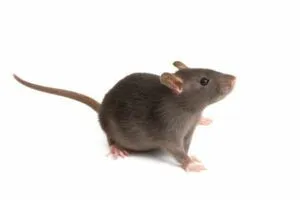
Unmanaged rubbish and leftover food can create favourable conditions for rodents around residential and commercial properties. Even small amounts of food waste can attract rats when bins are left uncovered or waste collection areas are not maintained properly. Rats Removal Melbourne helps property owners understand the connection between poor waste management and rodent activity. Taking preventive action and arranging professional rodent control Melbourne prices assessments can help property owners understand suitable options for managing infestations and maintaining cleaner surroundings.
Why Rubbish Attracts Rats
Rats are opportunistic feeders and can survive on various food sources. Household rubbish, discarded takeaway containers, food packaging and leftover meals can provide easy access to nourishment.
When rubbish is stored in open containers or left outside for extended periods, it can attract rodents from nearby areas. Once rats discover a reliable food source, they may repeatedly return to the same location.
Commercial properties can face similar problems, particularly restaurants, cafes, warehouses and food preparation facilities. Poorly maintained waste storage areas may encourage rodents to settle close to buildings.
Common Waste Management Mistakes That Encourage Rodent Activity
Several everyday habits can unintentionally make properties more attractive to rats.
1. Leaving Bin Lids Open
Uncovered rubbish bins allow rodents to access food scraps easily. Even a partially open lid can provide an opportunity for rats to investigate the contents.
2. Allowing Food Waste to Accumulate
Food scraps left in kitchens, outdoor areas or commercial waste spaces can attract rodents. Delayed rubbish removal may increase the likelihood of unwanted activity.
3. Storing Rubbish Bags Outside
Rubbish bags placed directly on the ground can be damaged by rodents and other animals. Food odours may attract rats even when bags are tied securely.
4. Neglecting Recycling Areas
Food containers, takeaway packaging and drink bottles can retain small amounts of food residue. If recycling areas are not cleaned regularly, they may become attractive to pests.
5. Ignoring Spills Around Bins
Liquid waste, spilled food and leftover scraps around rubbish containers can provide additional feeding opportunities.
6. Poorly Maintained Commercial Waste Areas
Businesses that produce large amounts of food waste should pay particular attention to bin storage, cleaning schedules and collection arrangements.
How Rats Can Affect Property Hygiene
Rodents can create several hygiene concerns when they gain access to household or workplace environments. They may travel across rubbish storage areas before entering kitchens, cupboards and food preparation spaces.
Their droppings, urine and contaminated nesting materials can affect the cleanliness of surfaces. Rats may also chew through food packaging, damage stored products and contaminate supplies.
For businesses, these problems can affect workplace hygiene standards and customer confidence. Maintaining clean waste management areas is therefore an important part of responsible property maintenance.
The Importance of Identifying Rodent Activity Early
A few droppings near an outdoor bin may seem like a minor issue, but repeated signs could indicate that rodents are regularly visiting the property.
Look for these warning signs:
· Small droppings around rubbish storage locations.
· Gnaw marks on plastic bins and waste containers.
· Torn rubbish bags and scattered food scraps.
· Scratching noises around sheds and storage spaces.
· Unusual movement near bins during the evening.
· Burrows or disturbed soil around outdoor waste areas.
Professional rat removal in Melbourne assistance can help property owners investigate these signs, identify possible nesting locations and determine appropriate control measures.
Early investigation is particularly important when rodent activity continues despite improvements to rubbish storage and cleaning practices.
Practical Ways to Improve Waste Management
Good waste management does not require complicated changes. Consistent daily habits can significantly reduce the food sources available to rodents.
Use durable rubbish bins: Choose containers with secure, properly fitted lids that prevent rodents from accessing waste.
Separate food waste: Store organic waste in suitable covered containers and empty them regularly.
Clean bin areas: Wash rubbish containers periodically and remove food residue from surrounding surfaces.
Arrange timely collection: Avoid allowing waste to accumulate for extended periods, particularly in commercial environments.
Maintain recycling hygiene: Rinse food containers before placing them in recycling bins.
Keep outdoor areas organised: Remove unnecessary materials and avoid storing rubbish bags near building entrances.
Secure compost areas: Use suitable enclosed composting systems and avoid leaving exposed food scraps.
These measures can help reduce food availability and make properties less appealing to rodents.
Why Professional Rodent Management May Be Necessary
Improving waste management is an important preventive step, but it may not resolve an established infestation. Rats can build nests in concealed locations such as roof cavities, wall spaces, garages and outdoor structures.
Professional assistance can help identify the extent of the problem and recommend appropriate control methods. A suitable approach may involve locating entry points, assessing nesting areas and advising property owners on measures to reduce future activity.
Property owners should also address the environmental conditions that originally attracted rodents rather than relying entirely on temporary solutions.
Maintain Cleaner Surroundings and Reduce Rat Activity
Responsible rubbish management plays an important role in keeping homes and workplaces less attractive to rodents. Securing bins, cleaning waste storage areas and removing food scraps can help reduce common attractants.
Residents experiencing rodent problems in nearby suburbs can consider professional rat removal Epping assistance to investigate activity and identify suitable prevention measures. Combining good waste management with early intervention can help protect properties and maintain healthier surroundings.
❤️ Support Friends Aim! View a sponsored ad to help cover our website costs. Thanks!
Support Us — Ad 1 Support Us — Ad 2- Arts, Culture & Design
- Automotive & Transport
- Accounting & Finance
- Advertising & Marketing
- Agriculture & Farming
- Business & Consulting
- Books & Publishing
- Building & Construction
- Beauty & Personal Care
- Baby, Kids & Parenting
- Charity & Social Causes
- Crafts & Handmade
- Careers & Jobs
- Computers & Laptops
- Consumer Electronics
- Entertainment & Events
- Food & Beverages
- Delivery & Logistics
- Digital Media & Content
- Dating & Relationships
- E-Commerce & Retail
- Education & Learning
- Energy & Environment
- Fitness
- Fashion & Apparel
- Gaming & Toys
- Government & Legal
- Gardening
- Health & Medical Care
- Home Decor & Furniture
- IT & Software
- Industrial & Tools
- Import & Export
- Jewelry & Watches
- Lifestyle & Wellness
- Legal Services & Law
- News & Media
- News & Current Affairs
- Religion & Faith
- Sports
- Technology
- Travel & Tourism
- Weddings & Events
- Other

 Arabic
 French
 Spanish
 Portuguese
 Deutsch
 Turkish
 Dutch
 Italiano
 Russian
 Romaian
 Portuguese (Brazil)
 Greek