


 About
 Terms
 Privacy
Managing Excavated Soil and Waste on Construction Projects
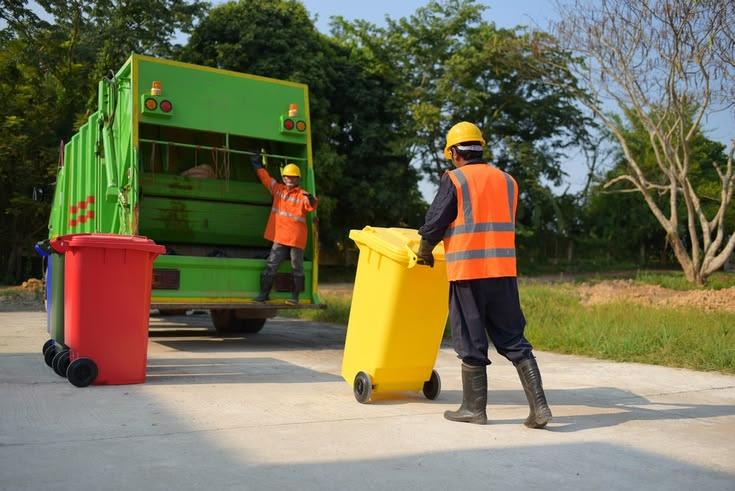
Construction projects involve various activities that generate significant amounts of excavated soil, rubble, and other waste materials. Whether developing residential properties, commercial buildings, roads, or infrastructure, managing these materials effectively is essential for maintaining a safe, organised, and productive worksite. Poor waste management can lead to delays, increased costs, environmental problems, and potential safety hazards.
A well-planned approach to excavation waste management helps contractors maintain efficient operations while meeting environmental responsibilities. From separating different types of materials to arranging suitable transportation and disposal, every stage plays an important role in keeping construction projects on schedule.
Understanding Excavated Soil and Construction Waste
Excavation is often one of the first major activities undertaken during construction. It involves removing soil, clay, gravel, rocks, and other underground materials to prepare land for foundations, drainage systems, roads, and landscaping.
However, not everything removed from the ground can be treated as ordinary soil. Construction sites may also generate concrete fragments, bricks, asphalt, timber, metal, and mixed demolition waste.
Understanding the different materials produced during excavation is important because each type may require a specific handling, transportation, recycling, or disposal method. For example, clean soil may be suitable for reuse in landscaping or ground levelling, while contaminated materials require specialist assessment and appropriate treatment.
Identifying waste types early allows construction teams to make better decisions and avoid unnecessary disposal expenses.
Planning Waste Management Before Excavation Begins
Effective waste management starts before machinery begins digging. Contractors should assess the site, estimate the amount of material likely to be removed, and identify suitable locations for temporary storage and collection.
A practical waste management plan should include:
- Estimated quantities of excavated soil and other materials.
- Suitable areas for separating and storing waste.
- Arrangements for transportation and removal.
- Approved disposal and recycling facilities.
- Procedures for handling potentially contaminated materials.
- Responsibilities assigned to site workers and contractors.
Planning ahead helps prevent large waste piles from accumulating and interfering with construction activities. It also allows project managers to organise collection schedules according to the progress of excavation work.
Working with an experienced waste removal provider can make these arrangements easier and help avoid unnecessary interruptions.
Separating Soil and Different Waste Materials
One of the most effective ways to improve construction waste management is through proper material separation. Mixing recyclable materials with general waste can increase disposal costs and reduce opportunities for reuse.
Construction teams should establish separate collection areas for materials such as clean soil, concrete, bricks, timber, metal, and general construction waste.
Clear signs and designated containers can help workers understand where different materials belong. Regular inspections also ensure that waste separation procedures are followed consistently.
Segregating excavated materials offers several advantages. Clean soil may be reused where appropriate, metals can be recycled, and suitable concrete or brick materials may be processed for alternative construction applications.
This approach reduces the volume of waste sent to landfill and supports more sustainable construction practices.
Choosing the Right Waste Removal Service
Selecting a reliable waste removal company is essential for maintaining an organised construction site. Excavated materials can accumulate quickly, particularly during large projects involving extensive groundwork.
Professional removal services provide suitable vehicles, equipment, and transportation arrangements to move large quantities of soil and construction waste efficiently.
When choosing a provider, contractors should consider experience, vehicle availability, pricing transparency, waste handling procedures, and compliance with relevant environmental regulations.
For projects requiring excavated waste removal Yorkshire, choosing a dependable local service can help contractors organise collections efficiently and minimise unnecessary delays.
It is also important to check that the provider holds the appropriate waste carrier registration and uses authorised facilities for disposal or recovery. Contractors should retain relevant waste transfer documentation to demonstrate responsible waste management.
Maintaining a Clean and Safe Construction Site
Unmanaged excavation waste can create several safety risks. Large piles of soil may obstruct access routes, while scattered rubble and construction debris can cause trips, falls, and equipment-related accidents.
Keeping the site clean and organised makes it easier for workers and machinery to move safely. Waste should be stored in designated areas away from pedestrian walkways, vehicle routes, drainage systems, and emergency access points.
Regular site inspections help identify potential hazards before they become serious problems.
Project managers should also ensure that workers understand safe waste handling procedures. Appropriate protective equipment, including gloves, safety boots, and high-visibility clothing, should be provided when necessary.
Prompt removal of accumulated materials helps maintain better working conditions and supports overall site productivity.
Reducing Environmental Impact Through Responsible Disposal
Construction activities can affect the surrounding environment if excavated materials are not managed correctly. Soil can enter nearby drainage systems, loose materials may create dust, and improperly stored waste can cause pollution.
Responsible waste management helps reduce these risks. Contractors should consider opportunities to reuse suitable excavated soil within the project before arranging off-site disposal.
For example, uncontaminated soil may be appropriate for landscaping, filling, or ground-level adjustments, provided it meets the relevant technical and environmental requirements.
Materials that cannot be reused should be transported to authorised facilities for recycling, recovery, or disposal.
Potentially contaminated soil requires additional attention. Appropriate testing and specialist advice may be necessary to determine how it should be handled.
These measures help protect local surroundings while ensuring construction projects meet their environmental obligations.
Managing Costs and Improving Project Efficiency
Waste removal costs can represent a considerable part of a construction project's overall expenditure. Poor planning, unnecessary vehicle movements, and mixed waste loads can increase expenses.
Contractors can control these costs by estimating waste quantities accurately, arranging collections in advance, and separating materials according to their disposal requirements.
Using appropriately sized vehicles also improves efficiency. For example, grab lorries can collect and transport suitable loose materials from accessible areas, reducing the need for repeated manual loading.
Coordinating waste collections with excavation schedules prevents materials from occupying valuable working space for extended periods.
A well-organised approach to excavated waste removal Yorkshire can therefore contribute to better project scheduling, reduced handling requirements, and more predictable waste management costs.
The Importance of Regular Waste Monitoring
Waste management should be monitored throughout the construction process rather than treated as a one-time responsibility.
Site supervisors should regularly check waste storage areas, collection schedules, and transportation records. Monitoring also helps identify opportunities to improve material separation and reduce unnecessary waste generation.
Keeping accurate records of the types and quantities of waste removed can support project reporting and environmental compliance.
If excavation activities generate more waste than originally expected, collection arrangements should be adjusted accordingly. This flexibility helps prevent operational problems and ensures that waste management remains effective as the project develops.
How Professional Grab Hire Services Support Construction Projects
Professional grab hire services offer a practical solution for removing large quantities of suitable excavated soil, rubble, and other loose construction materials. Grab lorries use hydraulic lifting equipment to collect materials from accessible locations, making them useful for projects where conventional skip arrangements may be less convenient.
They can help reduce manual handling, clear working areas, and transport collected materials to appropriate authorised facilities.
MLJ Grab Hire (mljgrabhire) provides services designed to support construction and groundwork projects requiring efficient waste collection and removal. By helping contractors manage excavated materials and maintain cleaner working environments, the company can contribute to smoother site operations. Choosing a suitable grab hire service can make a difference when dealing with ongoing excavation work, particularly where timely collections and reliable transportation are important.
Conclusion
Managing excavated soil and construction waste effectively is essential for successful building and infrastructure projects. Proper planning, material separation, responsible disposal, and regular monitoring help contractors maintain safer worksites while controlling costs and reducing environmental impact.
Working with experienced waste removal professionals can further simplify the process by providing suitable transportation and reliable collection arrangements. By treating waste management as an important part of project planning, construction businesses can improve efficiency, protect the environment, and keep their projects moving forward.
❤️ Support Friends Aim! View a sponsored ad to help cover our website costs. Thanks!
Support Us — Ad 1 Support Us — Ad 2- Arts, Culture & Design
- Automotive & Transport
- Accounting & Finance
- Advertising & Marketing
- Agriculture & Farming
- Business & Consulting
- Books & Publishing
- Building & Construction
- Beauty & Personal Care
- Baby, Kids & Parenting
- Charity & Social Causes
- Crafts & Handmade
- Careers & Jobs
- Computers & Laptops
- Consumer Electronics
- Entertainment & Events
- Food & Beverages
- Delivery & Logistics
- Digital Media & Content
- Dating & Relationships
- E-Commerce & Retail
- Education & Learning
- Energy & Environment
- Fitness
- Fashion & Apparel
- Gaming & Toys
- Government & Legal
- Gardening
- Health & Medical Care
- Home Decor & Furniture
- IT & Software
- Industrial & Tools
- Import & Export
- Jewelry & Watches
- Lifestyle & Wellness
- Legal Services & Law
- News & Media
- News & Current Affairs
- Religion & Faith
- Sports
- Technology
- Travel & Tourism
- Weddings & Events
- Other

 Arabic
 French
 Spanish
 Portuguese
 Deutsch
 Turkish
 Dutch
 Italiano
 Russian
 Romaian
 Portuguese (Brazil)
 Greek