


 About
 Terms
 Privacy
What Your Nose Shape May Reveal About Your Rhinoplasty Options in Riyadh
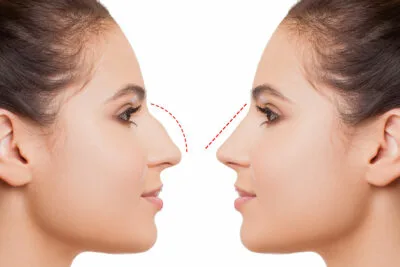
The shape of your nose plays an important role in defining your facial appearance, influencing how different facial features come together. Every nose has its own structure, proportions, and characteristics, which means that cosmetic concerns and treatment goals can vary significantly from one person to another. Some individuals may wish to refine a prominent nasal bridge, while others may be concerned about a wide nasal tip, asymmetry, or breathing difficulties.
Understanding these differences can help individuals make informed decisions about available surgical options. Rhinoplasty in Riyadh offers an opportunity to explore personalized approaches to nasal reshaping based on individual facial anatomy, aesthetic preferences, and functional requirements. Modern surgical techniques also allow specialists to consider both the external appearance of the nose and its internal structure.
As interest in Rhinoplasty surgery in Saudi Arabia continues to grow, patients are increasingly looking for information about how their existing nose shape may influence treatment planning. Learning about nasal anatomy, surgical approaches, and realistic expectations can make the decision-making process more comfortable and informed.
Understanding How Nose Shape Influences Rhinoplasty Options
Nose shape is influenced by several anatomical characteristics, including bone structure, cartilage, skin thickness, and the arrangement of internal nasal tissues. These elements determine the overall appearance of the nose and can influence which surgical techniques may be appropriate.
During an assessment, a qualified surgeon examines the relationship between the nose and surrounding facial features. Rather than considering the nose independently, the evaluation typically focuses on how its proportions complement the forehead, cheeks, chin, and overall facial profile.
For individuals considering Rhinoplasty in Riyadh, understanding their nasal anatomy is an important starting point. A personalized assessment helps identify the areas that may benefit from refinement while considering the patient's natural features.
Different Nose Shapes and Their Potential Surgical Considerations
Prominent or Raised Nasal Bridge
A prominent nasal bridge can create a noticeable feature when viewed from the side. Some individuals have a naturally elevated bridge, while others may have a dorsal hump that creates an uneven profile.
Rhinoplasty may involve carefully reshaping the underlying bone and cartilage to create a smoother nasal contour. The amount of refinement depends on the existing anatomy, facial proportions, and desired outcome.
The objective is not necessarily to create a completely straight or identical nasal profile for everyone. Instead, treatment planning focuses on achieving a balanced appearance that complements the individual's facial structure.
Wide Nasal Structure
A wide nose may be associated with the nasal bones, cartilage, or the width of the nostrils. These characteristics can vary naturally across individuals and are influenced by genetics and facial anatomy.
Depending on the underlying structure, surgical planning may involve adjusting the width of the nasal bones or refining specific areas of the nasal framework. In selected cases, nostril reshaping may also be considered.
When exploring Rhinoplasty surgery in Saudi Arabia, patients with wider nasal structures should understand that the appropriate approach depends on their anatomy rather than simply reducing the overall width of the nose.
Bulbous or Rounded Nasal Tip
A bulbous nasal tip generally appears rounded or less defined. This appearance may result from cartilage shape, cartilage positioning, or thicker skin covering the nasal tip.
Tip refinement techniques can involve adjusting and repositioning cartilage to improve definition while maintaining adequate structural support. However, the final appearance depends on skin thickness and the natural characteristics of the underlying tissues.
A detailed evaluation helps determine how much refinement may be achievable without compromising nasal function or creating an unnatural appearance.
Crooked or Asymmetrical Nose
A crooked nose may develop because of natural anatomical differences, previous injuries, or irregularities in the nasal septum and surrounding structures.
In these situations, rhinoplasty may involve correcting external alignment and addressing internal structural concerns. Septoplasty may also be considered when a deviated septum contributes to breathing difficulties.
The treatment approach depends on the location and severity of the asymmetry. Restoring balance while maintaining functional support is an important consideration during surgical planning.
Drooping Nasal Tip
Some individuals notice that their nasal tip points downward, particularly when smiling. This appearance can be associated with cartilage structure, ligament support, or the movement of muscles around the nose.
Certain surgical techniques can reposition and support the nasal tip to create a more balanced profile. The surgeon must carefully evaluate the nasal framework to determine the appropriate degree of adjustment.
The goal of tip refinement is to complement the natural facial profile rather than create excessive rotation or an artificial appearance.
How Facial Proportions Influence Rhinoplasty Planning
Nose shape should always be considered in relation to the rest of the face. A feature that appears prominent on one individual may look naturally balanced on another because facial proportions differ.
For example, chin projection can influence how the nose appears from the side. Similarly, cheek structure and forehead shape may affect the overall perception of nasal size and definition.
During Rhinoplasty in Riyadh, facial assessment can help specialists understand these relationships before recommending a treatment approach. Photographs, physical examinations, and discussions about aesthetic preferences may contribute to the planning process.
Personalized treatment planning also helps establish realistic expectations. The intention is to improve facial harmony while preserving the individual's distinctive characteristics.
Functional and Cosmetic Considerations in Nose Surgery
Rhinoplasty is not exclusively an aesthetic procedure. For some individuals, nasal surgery may also address structural problems that interfere with normal breathing.
The nasal septum separates the two nasal passages. When it becomes significantly deviated, airflow may be restricted on one or both sides. Other structural concerns, including nasal valve narrowing, may also contribute to breathing difficulties.
Cosmetic Rhinoplasty
Cosmetic rhinoplasty primarily focuses on changing the external appearance of the nose. Depending on individual concerns, treatment may address the nasal bridge, tip, nostrils, or overall nasal proportions.
The surgical plan is developed according to the patient's facial anatomy and aesthetic preferences. Maintaining natural-looking proportions is an important consideration.
Functional Rhinoplasty
Functional rhinoplasty focuses on improving nasal structure to support better airflow. Depending on the underlying problem, treatment may involve correcting structural irregularities or strengthening specific areas of the nasal framework.
Some patients may require a combination of cosmetic and functional techniques. A thorough examination helps determine whether both concerns can be addressed during the same procedure.
Modern Surgical Approaches for Different Nose Structures
The techniques used during rhinoplasty depend on the complexity of the procedure and the anatomical areas requiring modification. Two commonly discussed approaches are open and closed rhinoplasty.
Open Rhinoplasty
Open rhinoplasty involves a small incision across the columella, the tissue separating the nostrils. This approach allows the surgeon to lift the nasal skin and directly examine the underlying cartilage and bone.
It may be useful when more extensive structural changes or detailed nasal tip modifications are required. Direct visibility can help with precise adjustments in complex cases.
However, the suitability of this approach depends on the patient's anatomy and surgical objectives.
Closed Rhinoplasty
Closed rhinoplasty involves incisions placed inside the nostrils. This technique allows selected nasal modifications without an external columellar incision.
It may be appropriate for certain patients who require specific adjustments to the nasal framework. The choice depends on the type of correction needed and the surgeon's assessment.
Neither approach is universally better. The most appropriate technique is determined by individual surgical requirements.
What to Expect During the Rhinoplasty Consultation
A consultation is an important stage for anyone considering Rhinoplasty in Riyadh. It provides an opportunity to discuss concerns, understand available techniques, and evaluate whether surgery is suitable.
The surgeon generally examines the external nasal structure, skin characteristics, cartilage, and internal nasal passages. Medical history, previous nasal procedures, and breathing concerns may also be discussed.
Patients can explain which features they would like to improve and what kind of appearance they hope to achieve. These discussions help establish realistic treatment goals.
The consultation may also include an explanation of potential risks, recovery expectations, and surgical limitations. Understanding these details helps patients make decisions based on accurate information rather than unrealistic expectations.
Recovery and Healing After Rhinoplasty Surgery
Recovery following rhinoplasty takes time, and the healing process varies according to the surgical technique and individual characteristics.
During the initial recovery period, swelling, bruising, and temporary nasal congestion may occur. These effects generally improve gradually as the tissues heal.
Most patients need to follow specific postoperative instructions, which may include keeping the nasal area protected, avoiding strenuous activities, and attending follow-up appointments.
Although noticeable improvements may become visible during the first few months, subtle swelling can continue for considerably longer. Final results may take up to a year or sometimes more to become fully apparent, particularly around the nasal tip.
Anyone considering Rhinoplasty surgery in Saudi Arabia should understand that recovery is gradual and that patience is an important part of the healing process.
Understanding the Importance of Realistic Rhinoplasty Expectations
A successful rhinoplasty plan considers both the patient's expectations and the limitations of their natural anatomy. Not every nasal feature can be changed to the same degree, and surgical outcomes cannot be guaranteed.
Skin thickness, cartilage strength, bone structure, healing patterns, and previous procedures can all influence the final appearance.
Patients should also understand that achieving a natural result does not necessarily mean creating a perfectly symmetrical nose. Minor differences between the two sides of the face are normal.
A qualified surgeon can explain which improvements may be achievable and whether the desired changes are appropriate for the individual's facial structure.
Frequently Asked Questions
1. Can Nose Shape Determine the Type of Rhinoplasty I Need?
Yes. Nose shape, cartilage structure, bone alignment, skin thickness, and individual concerns can influence the surgical approach. A professional assessment is necessary to determine the most appropriate technique.
2. Is Rhinoplasty in Riyadh Suitable for Different Nose Shapes?
Rhinoplasty may be considered for various nasal structures, including wide noses, prominent bridges, bulbous tips, and asymmetrical noses. Suitability depends on individual anatomy, health, and treatment goals.
3. What Is the Difference Between Open and Closed Rhinoplasty?
Open rhinoplasty uses a small external incision to provide greater visibility of the nasal framework. Closed rhinoplasty uses incisions inside the nostrils. The appropriate technique depends on the complexity of the required changes.
4. Can Rhinoplasty Surgery in Saudi Arabia Improve Breathing?
Yes. Functional rhinoplasty can address certain structural problems that interfere with airflow. Depending on the condition, septoplasty or other corrective techniques may also be recommended.
5. How Long Does It Take to See the Final Rhinoplasty Results?
Initial improvements may become noticeable within a few months as swelling decreases. However, complete healing can take approximately 12 months or longer, especially around the nasal tip.
6. Can Rhinoplasty Create a Natural-Looking Nose?
Rhinoplasty can be planned to complement natural facial proportions. The outcome depends on the existing nasal structure, surgical technique, skin characteristics, and individual healing response.
Conclusion
Understanding your nose shape can provide valuable insight into the rhinoplasty options that may be appropriate for your facial structure and personal goals. Whether you are concerned about a prominent nasal bridge, wide nostrils, a rounded tip, or breathing difficulties, the right treatment approach begins with a detailed anatomical assessment.
Rhinoplasty in Riyadh offers individuals the opportunity to explore modern nasal reshaping techniques while considering both appearance and function. Learning about surgical approaches, recovery expectations, and realistic outcomes can help patients make informed decisions about their treatment journey.
As interest in Rhinoplasty surgery in Saudi Arabia continues to develop, choosing an experienced and qualified surgeon remains an important consideration. Enfield Royal Clinic Saudi can be explored as a starting point for individuals researching rhinoplasty services and seeking further information about personalized nose reshaping options.
❤️ Support Friends Aim! View a sponsored ad to help cover our website costs. Thanks!
Support Us — Ad 1 Support Us — Ad 2- Arts, Culture & Design
- Automotive & Transport
- Accounting & Finance
- Advertising & Marketing
- Agriculture & Farming
- Business & Consulting
- Books & Publishing
- Building & Construction
- Beauty & Personal Care
- Baby, Kids & Parenting
- Charity & Social Causes
- Crafts & Handmade
- Careers & Jobs
- Computers & Laptops
- Consumer Electronics
- Entertainment & Events
- Food & Beverages
- Delivery & Logistics
- Digital Media & Content
- Dating & Relationships
- E-Commerce & Retail
- Education & Learning
- Energy & Environment
- Fitness
- Fashion & Apparel
- Gaming & Toys
- Government & Legal
- Gardening
- Health & Medical Care
- Home Decor & Furniture
- IT & Software
- Industrial & Tools
- Import & Export
- Jewelry & Watches
- Lifestyle & Wellness
- Legal Services & Law
- News & Media
- News & Current Affairs
- Religion & Faith
- Sports
- Technology
- Travel & Tourism
- Weddings & Events
- Other

 Arabic
 French
 Spanish
 Portuguese
 Deutsch
 Turkish
 Dutch
 Italiano
 Russian
 Romaian
 Portuguese (Brazil)
 Greek