


 About
 Terms
 Privacy
How to Plan a Whole-Home Renovation in Phases
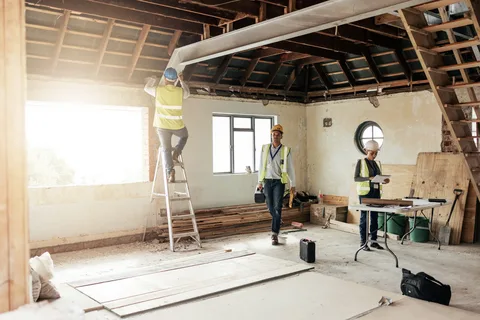
A whole-home renovation sounds exciting until the questions arrive. Where do you start? What happens to the budget? How do you live in a house that is half torn apart? Many homeowners solve these problems by splitting the work into phases. Done well, phasing spreads the cost, limits disruption, and keeps the project manageable. Done poorly, it leads to wasted money, mismatched finishes, and work that someone has to redo. This guide explains how to plan a phased renovation that holds together from the first phase to the last.
Why Phase a Renovation?
Phasing makes sense for several reasons:
- Cash flow. Spreading projects across months or years makes the cost easier to manage.
- Less disruption. You can keep some rooms functional while others are under construction.
- Better decisions. Living in the house between phases shows you how you use the space.
- Lower stress. Smaller projects feel easier to manage than one giant undertaking.
Phasing also has risks. Work in one phase can damage finished areas, and poor sequencing can force rework. The key is a plan that treats the phases as parts of one project.
Step One: Build a Master Plan
Start with the whole house, not the first room. A master plan describes what you want to achieve overall, then breaks it into phases. It should include:
- A list of every project you want, from urgent to optional
- A rough budget for each project
- Notes on how projects affect each other
- A target order and timeline
- Design direction, including materials and colours that will carry through
The master plan prevents decisions in phase one from blocking phase three. If you plan to open a wall later, for example, avoid putting new flooring in that area first.
Step Two: Set Priorities
Not every project deserves the same urgency. A reliable ranking follows this order:
- Safety and structure. Foundation issues, electrical hazards, and structural repairs come first.
- Building envelope. Roof, windows, doors, and insulation protect the house and affect everything inside.
- Mechanical systems. Plumbing, electrical, and heating work belongs before finishes, because it requires opening walls and floors.
- High-impact rooms. Kitchens and bathrooms deliver daily comfort and often strong value.
- Living and sleeping areas. Flooring, paint, and fixtures follow.
- Cosmetic and decorative updates. These go last.
This order protects your investment. Beautiful finishes installed before a roof repair or a plumbing update often get damaged later.
Step Three: Sequence the Work Carefully
Sequencing is where phased renovations succeed or fail. A few principles help:
- Rough work before finish work. Complete framing, plumbing, electrical, and insulation before drywall, flooring, and paint.
- Dirty work before clean work. Demolition, sanding, and dust-heavy tasks should finish before new surfaces go in.
- Top to bottom. Work on ceilings and upper floors before lower floors, so debris and leaks do not damage completed areas.
- Exterior before interior, when it affects the interior. A leaking roof or poor windows can undo interior work.
- Think about shared systems. If a plumbing stack serves two bathrooms, consider updating both while the walls are open.
When phases touch the same walls or floors, group them together. Opening a wall twice costs more than opening it once.
Step Four: Build the Budget
A phased budget needs structure.
- Estimate each phase separately, with itemized quotes where possible.
- Add a contingency of 10 to 15 percent to each phase, because surprises appear in every project.
- Track costs across phases, so you see how early spending affects later options.
- Expect price changes. Materials and labour costs shift over time, so later phases may cost more than early estimates suggest.
- Decide how you will fund each phase. Savings, financing, or a mix all change the pace.
Keep a running spreadsheet. It helps you decide when to push ahead and when to pause.
Step Five: Choose the Right Contractor Strategy
You can hire one contractor for everything, a different contractor for each phase, or a mix. Each approach has trade-offs.
One contractor across all phases offers consistency, familiarity with your home, and simple accountability. The team already knows the layout, existing systems, and your preferences, which speeds up later phases.
Different contractors per phase can suit highly specialized work, though coordination becomes your job, and responsibility for problems can blur.
When you search for a renovation contractor near me Toronto homeowners recommend, ask whether they handle multi-phase projects and whether they will keep your master plan on file. A renovation contractor near me Toronto residents hire for a first phase can often take on later phases, which saves time and avoids repeating the discovery process.
Step Six: Plan for Living Through It
Disruption is the hidden cost of any renovation. Plan for it in advance:
- Keep one functioning kitchen and bathroom whenever possible.
- Create a temporary kitchen with a microwave, kettle, and small fridge if the main kitchen is out.
- Protect finished areas with floor covering, dust barriers, and clear paths.
- Set work hours and communicate them to the household and neighbours.
- Store belongings out of the work zone.
- Plan pet and child safety around construction areas.
A realistic plan for daily life reduces stress more than any other tip.
Local Knowledge Helps
Local experience makes phased renovations easier. A home renovation Scarborough ON owners plan across several rooms benefits from a contractor who knows local permit offices, typical housing issues, and supplier timelines. A home renovation Scarborough ON project that includes permits for plumbing or structural changes also needs inspections at the right stages, and an experienced team schedules them without delay.
When you compare a renovation company Scarborough homeowners trust against others, look at how clearly they explain sequencing, permits, and budget. A renovation company Scarborough residents have used for multiple phases will also remember your home's details, which makes later work faster.
Step Seven: Keep the Design Cohesive
A phased renovation can look patchy if each phase follows a different style. Prevent this by deciding on a consistent palette early:
- Choose a limited set of flooring materials and colours
- Pick a consistent finish for hardware and fixtures
- Keep trim and door styles uniform
- Select a paint palette that works across rooms
- Save samples and product details for later phases, since manufacturers discontinue lines
Photograph and label materials, and save purchase details. Matching a floor stain or tile two years later gets much easier with good records.
Common Mistakes to Avoid
Most phased projects fail in predictable ways:
- Starting without a master plan. Early work blocks later options.
- Installing finishes before systems work. Opening finished walls wastes money.
- Underestimating contingency. Older homes hide surprises.
- Ignoring permits. Unpermitted work creates insurance and resale problems.
- Changing the design mid-stream. Late changes cost more.
- Letting phases drift. Long gaps allow prices and plans to change.
Working With a General Contractor
For multi-room projects, a general contractor coordinates the trades and keeps the plan consistent. A general contractor Scarborough homeowners hire for a whole-home renovation manages plumbers, electricians, carpenters, and finishers under one schedule. That structure saves you from juggling multiple relationships.
A good general contractor Scarborough families rely on will also help you decide which work to combine, which to separate, and which to postpone. Ask for a written scope for each phase, along with a master schedule that shows how phases connect.
Frequently Asked Questions
How many phases should I plan? It depends on the budget and goals. Many homeowners use two to four phases, grouped by priority and by shared work areas.
Is phasing more expensive than doing everything at once? Sometimes. Mobilization costs repeat, and prices change over time. But phasing also spreads the cost and reduces disruption, which many households value more.
Can I live in the house during a phased renovation? Most families do, with a plan for temporary kitchens, bathrooms, and protected areas.
What if I run out of budget mid-project? Build phases that stand on their own, so each one leaves the house safe and functional if you pause.
Final Thoughts
A phased renovation succeeds when you treat it as one project in several stages. Build a master plan, rank priorities, sequence the work carefully, and budget with contingency for every phase. Choose a contractor who can handle the whole journey, and keep the design consistent so the finished house looks intentional. With that structure, a long renovation stops feeling chaotic and becomes a series of clear, manageable steps.
❤️ Support Friends Aim! View a sponsored ad to help cover our website costs. Thanks!
Support Us — Ad 1 Support Us — Ad 2- Arts, Culture & Design
- Automotive & Transport
- Accounting & Finance
- Advertising & Marketing
- Agriculture & Farming
- Business & Consulting
- Books & Publishing
- Building & Construction
- Beauty & Personal Care
- Baby, Kids & Parenting
- Charity & Social Causes
- Crafts & Handmade
- Careers & Jobs
- Computers & Laptops
- Consumer Electronics
- Entertainment & Events
- Food & Beverages
- Delivery & Logistics
- Digital Media & Content
- Dating & Relationships
- E-Commerce & Retail
- Education & Learning
- Energy & Environment
- Fitness
- Fashion & Apparel
- Gaming & Toys
- Government & Legal
- Gardening
- Health & Medical Care
- Home Decor & Furniture
- IT & Software
- Industrial & Tools
- Import & Export
- Jewelry & Watches
- Lifestyle & Wellness
- Legal Services & Law
- News & Media
- News & Current Affairs
- Religion & Faith
- Sports
- Technology
- Travel & Tourism
- Weddings & Events
- Other

 Arabic
 French
 Spanish
 Portuguese
 Deutsch
 Turkish
 Dutch
 Italiano
 Russian
 Romaian
 Portuguese (Brazil)
 Greek