


 About
 Terms
 Privacy
New Boiler Installation: The Complete UK Guide to Choosing, Costs and What to Expect
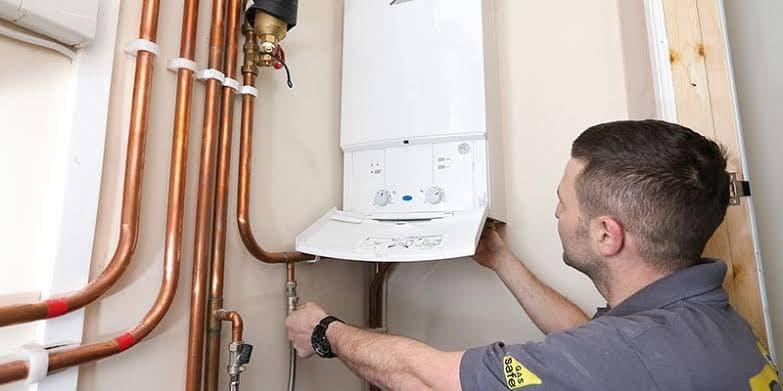
Your boiler is the heart of your home’s heating system. When it works well, you hardly notice it. When it starts breaking down, losing pressure or pushing up your energy bills, it quickly becomes a source of stress and expense. For many households, replacing an old, inefficient boiler is one of the smartest home improvements they can make. If you’re considering a new boiler installation, this guide explains the signs it’s time to replace your boiler, the types available, how to choose the right size, typical costs, the installation process and how to find a qualified engineer.
The guidance here is based on how boiler replacements are actually carried out in UK homes, following current safety and efficiency standards, so you can make a confident and informed decision.
Signs It’s Time to Replace Your Boiler
Boilers don’t last forever. Most have a working life of around 10 to 15 years. As they age, efficiency drops and breakdowns become more common.
Frequent Breakdowns
If you’re calling out an engineer several times a year, the repair costs can quickly add up. Investing in a new boiler is often more cost-effective in the long run.
Rising Energy Bills
Older boilers can be much less efficient than modern condensing models. If your heating bills keep rising even though your usage hasn’t changed, your boiler could be wasting fuel.
Difficulty Finding Parts
For older models, replacement parts can become hard to find or expensive. This can lead to long delays and higher repair bills.
Strange Noises and Smells
Banging, whistling or gurgling noises can point to internal problems. A smell of gas or a yellow or orange flame needs immediate attention from a Gas Safe registered engineer.
Uneven Heating
If some radiators stay cold or your hot water temperature keeps changing, your boiler may be struggling to keep up with your home’s demands.
Types of Boilers Explained
Choosing the right type of boiler depends on the size of your home, the number of bathrooms and how much hot water your household uses.
Combi Boilers
Combination boilers heat water directly from the mains when you need it, so there’s no need for a hot water cylinder or cold water tank. They’re compact, efficient and the most popular choice for small to medium homes and flats.
System Boilers
System boilers work with a hot water cylinder but don’t need a tank in the loft. They’re ideal for homes with more than one bathroom, where several taps or showers may run at the same time.
Regular (Heat-Only) Boilers
Also called conventional boilers, these work with both a hot water cylinder and a cold water storage tank. They often suit older properties with existing traditional heating systems, or areas with low mains water pressure.
Choosing the Right Boiler Size
Boiler output is measured in kilowatts (kW). Choosing the correct size is essential. A boiler that’s too small won’t keep up with demand, while one that’s too large will waste energy.
Factors That Affect Size
·
The number of bedrooms and bathrooms
·
·
The number of radiators
·
·
How many people live in the home
·
·
How well the property is insulated
·
·
Your household’s hot water usage
·
Typical Guide
As a general guide, smaller flats and homes often suit combi boilers of around 24 to 30kW, while larger family homes may need 30 to 40kW or more. A qualified engineer should always carry out a heat loss assessment rather than guessing.
How Much Does a New Boiler Installation Cost?
The total cost depends on the boiler type, brand, output, the complexity of the work and where you live. These figures are rough guides only:
·
Combi boiler replacement (like-for-like): around £2,000 to £3,500
·
·
System or regular boiler replacement: around £2,500 to £4,500
·
·
Switching boiler type or moving location: often £3,500 to £5,500 or more
·
What Can Increase the Price?
Moving the boiler to a new location, converting from a regular system to a combi, upgrading pipework, adding new radiators or installing a new flue can all raise the overall cost. Always ask for a fixed, itemised quote.
Finance and Grants
Many installers offer finance options to spread the cost. If you’re considering a low-carbon alternative such as a heat pump, government support like the Boiler Upgrade Scheme in England and Wales may be available. Check current eligibility before you apply.
UK Regulations and Standards
Boiler installations in the UK must meet strict safety and efficiency rules.
Gas Safe Registration
By law, only a Gas Safe registered engineer can install a gas boiler. Using an unregistered installer is illegal and dangerous, and it can invalidate your warranty and home insurance.
Efficiency Requirements
In England, new gas boilers must meet minimum efficiency standards. When a combi boiler is installed, it must also come with suitable time and temperature controls plus an extra energy-saving measure, such as a smart thermostat with automation and optimisation, load or weather compensation, or flue gas heat recovery.
System Cleaning and Protection
Before the new boiler is connected, the heating system should be cleaned and flushed in line with industry standards. A magnetic system filter and inhibitor are usually fitted to protect the new boiler from sludge and debris.
Building Regulations Certificate
Your engineer will register the installation with Building Control through the Gas Safe Register. You should receive a Building Regulations Compliance Certificate within a few weeks.
The Boiler Installation Process
Understanding the process helps you plan around the work and know what to expect.
Step 1: Home Survey
An engineer assesses your home, existing heating system, water pressure, flue position and hot water needs, then recommends the right boiler.
Step 2: Quotation
You receive a clear written quote covering the boiler, controls, parts, labour and any extra work.
Step 3: Removing the Old Boiler
On installation day, the old boiler is safely disconnected and removed.
Step 4: System Flush and Preparation
The system is cleaned, pipework is adjusted if needed and protective components are fitted.
Step 5: Fitting the New Boiler
The new boiler, flue, controls and condensate pipe are installed and connected.
Step 6: Testing and Handover
The engineer tests the system, checks gas safety and combustion, completes the Benchmark checklist and explains how to use your new boiler and controls.
How Long Does It Take?
A like-for-like replacement usually takes one to two days. Converting system types or moving the boiler can take two to four days.
Benefits of Upgrading Your Boiler
Lower Energy Bills
Modern condensing boilers are highly efficient, so more of the fuel you pay for becomes useful heat.
Greater Reliability
A new boiler reduces the risk of breakdowns and the stress of being left without heating or hot water.
Improved Comfort
Faster heating, steady hot water and smart controls make your home more comfortable.
Long Manufacturer Warranties
Many new boilers come with warranties of five to ten years or more when installed and registered correctly.
How to Choose the Right Installer
Choosing the right engineer is just as important as choosing the right boiler. When arranging a new boiler installation, keep these points in mind.
Check Gas Safe Credentials
Ask to see the engineer’s Gas Safe ID card and check it on the official register.
Look for Experience and Accreditations
Installers accredited by boiler manufacturers can often offer extended warranties.
Read Customer Reviews
Genuine reviews show how reliable, tidy and professional an installer is.
Get a Fixed Written Quote
Avoid vague estimates. A clear, fixed price protects you from unexpected costs.
Frequently Asked Questions
How long does a new boiler last?
With annual servicing, most modern boilers last around 10 to 15 years.
Can I keep my existing radiators?
Usually, yes, as long as they’re in good condition and correctly sized for your home.
Do I need to register my boiler warranty?
Yes. Most manufacturers require registration, usually within 30 days of installation. Many installers do this for you.
Is it worth replacing a boiler that still works?
If it’s old, inefficient or breaking down often, replacing it can save money and give you peace of mind.
Conclusion
Replacing your boiler is an important investment in your home’s comfort, safety and energy efficiency. By understanding the warning signs, choosing the right boiler type and size, knowing the costs and working with a qualified Gas Safe registered engineer, you can enjoy reliable heating and hot water for many years to come.
When you’re ready to plan your new boiler installation, choose a team that combines technical expertise, honest advice and a professional finish. PGAD provides expert boiler supply and installation, helping homeowners choose the right system and install it safely, efficiently and with minimal disruption. Get in touch today to book your free home survey and take the first step towards a warmer, more efficient home with a trusted new boiler installation you can rely on.
❤️ Support Friends Aim! View a sponsored ad to help cover our website costs. Thanks!
Support Us — Ad 1 Support Us — Ad 2- Arts, Culture & Design
- Automotive & Transport
- Accounting & Finance
- Advertising & Marketing
- Agriculture & Farming
- Business & Consulting
- Books & Publishing
- Building & Construction
- Beauty & Personal Care
- Baby, Kids & Parenting
- Charity & Social Causes
- Crafts & Handmade
- Careers & Jobs
- Computers & Laptops
- Consumer Electronics
- Entertainment & Events
- Food & Beverages
- Delivery & Logistics
- Digital Media & Content
- Dating & Relationships
- E-Commerce & Retail
- Education & Learning
- Energy & Environment
- Fitness
- Fashion & Apparel
- Gaming & Toys
- Government & Legal
- Gardening
- Health & Medical Care
- Home Decor & Furniture
- IT & Software
- Industrial & Tools
- Import & Export
- Jewelry & Watches
- Lifestyle & Wellness
- Legal Services & Law
- News & Media
- News & Current Affairs
- Religion & Faith
- Sports
- Technology
- Travel & Tourism
- Weddings & Events
- Other

 Arabic
 French
 Spanish
 Portuguese
 Deutsch
 Turkish
 Dutch
 Italiano
 Russian
 Romaian
 Portuguese (Brazil)
 Greek