


 About
 Terms
 Privacy
Building Contractors Cambridge: How to Plan, Hire and Manage Your Building Project
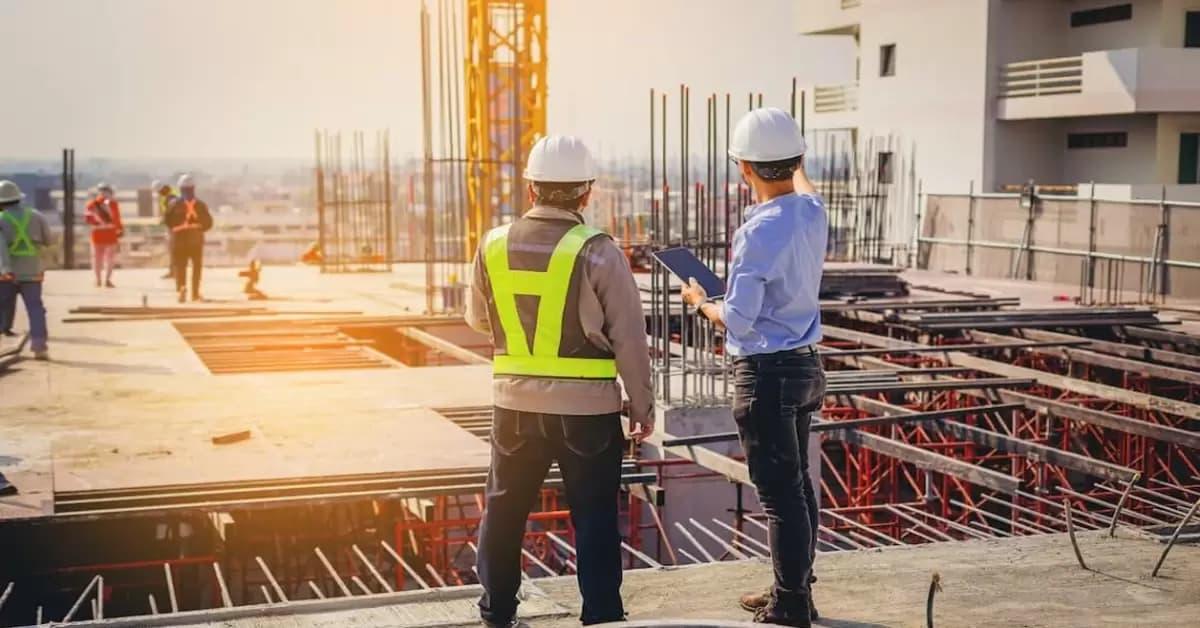
Whether you are planning a kitchen extension, a loft conversion, a full renovation or the careful restoration of an older property, the builder you choose will shape every part of the experience. A skilled, well-organised contractor can turn your ideas into reality on time and within budget. On the other hand, the wrong choice can lead to delays, spiralling costs and stressful disputes. For homeowners and property owners searching for building contractors Cambridge projects deserve, knowing what to look for from the very beginning makes all the difference.
This guide walks you through the essentials, from defining your project and understanding planning rules to checking credentials, comparing quotes and managing the build. Whether your home is a Victorian terrace off Mill Road, a family house in Chesterton or a period property in a conservation area, the principles below will help you make confident, informed decisions.
What Do Building Contractors Do?
A building contractor manages and carries out construction work on your property. Depending on the size of the job, they may handle everything themselves or coordinate a team of specialist trades.
Main Contractors and Project Management
On larger projects, the main contractor takes overall responsibility for the work. This includes scheduling trades, ordering materials, managing the site, keeping you updated and ensuring the work meets the agreed specification and relevant regulations.
Common Types of Building Work
Building contractors typically handle a wide range of projects, including:
·
Extensions: Single-storey, double-storey and side-return extensions.
·
·
Loft and garage conversions: Creating extra bedrooms, offices or living space.
·
·
Renovations and refurbishments: Updating kitchens, bathrooms and whole homes.
·
·
Structural work: Removing walls, installing steel beams and underpinning.
·
·
Restoration: Repairing and preserving older and historic buildings using suitable materials and methods.
·
Planning Your Building Project
Careful planning before work begins prevents expensive changes later. The more clearly you define your project, the more accurate your quotes will be.
Define Your Goals and Budget
Start by deciding what you want to achieve. Do you need more space, better natural light, an open-plan layout or improved energy efficiency? Then set a realistic budget and, importantly, keep a contingency of around 10 to 20 per cent for unexpected issues, which are common in older buildings.
Work With an Architect or Designer
For anything beyond simple works, drawings from an architect or architectural designer help you visualise the finished result. They also form the basis for planning applications, Building Regulations approval and accurate contractor quotes.
Understand Planning Permission
Some projects fall under permitted development rights and do not need full planning permission. However, these rights can be restricted for listed buildings, flats and properties in conservation areas. Since Cambridge has many listed buildings and conservation areas, it is wise to check with the local planning authority early in the process.
Building Regulations and Party Wall Matters
Most structural work, extensions and conversions must comply with Building Regulations, which cover safety, structure, fire protection, insulation and drainage. In addition, if your work affects a shared wall or involves digging foundations close to a neighbour's property, the Party Wall etc. Act 1996 may require you to serve formal notice on your neighbours before work starts.
Building in Cambridge: Local Considerations
Every area brings its own challenges, and an experienced local builder will understand them well.
Historic and Period Properties
Many homes in and around the city are older buildings constructed with solid walls, lime mortar and traditional materials. Using modern cement or impermeable products on these buildings can trap moisture and cause damage. Therefore, restoration work should be carried out by contractors who understand traditional building methods.
Ground Conditions
Parts of the region have clay soils, which can shrink and swell with changes in moisture. Foundations for extensions may need to be designed with this in mind, particularly near large trees. A structural engineer can advise on suitable foundation depths.
How to Choose the Right Building Contractor
With so many builders to choose from, careful research helps you find a reliable partner for your project. When shortlisting building contractors Cambridge homeowners recommend, use the following checks.
Check Experience and Past Projects
Ask to see examples of similar work, and if possible visit completed projects or speak to previous clients. A builder with experience in your type of project will anticipate problems and suggest practical solutions.
Look for Accreditations
Membership of recognised organisations such as the Federation of Master Builders (FMB) or registration with TrustMark shows a commitment to quality standards. These bodies vet members and may offer routes for resolving complaints.
Confirm Insurance and Warranties
Your builder should hold public liability insurance and, if they employ staff, employer's liability insurance. Ask about warranties on workmanship and whether an insurance-backed guarantee is available for larger projects.
Compare Detailed Written Quotes
Request at least three quotes based on the same drawings and specification. A good quote breaks down labour, materials, provisional sums and timescales. Be wary of quotes that are significantly cheaper than others, as they may leave out essential work.
Contracts, Payments and Managing the Build
Clear agreements protect both you and your builder throughout the project.
Use a Written Contract
A written contract should set out the scope of work, price, payment schedule, start and finish dates, how changes will be handled and who is responsible for obtaining approvals. For larger projects, a standard building contract designed for homeowners provides useful structure.
Agree a Fair Payment Schedule
Avoid paying large sums upfront. Instead, agree staged payments linked to completed milestones, such as foundations, structure and first fix. This keeps the project moving while protecting your money.
Keep Communication Open
Regular site meetings and written updates help you stay informed and resolve issues quickly. Any changes to the design or specification, known as variations, should be confirmed in writing along with their cost.
Health and Safety Responsibilities
Under the Construction (Design and Management) Regulations 2015, building projects must be planned and managed safely. For domestic projects, these duties normally pass to the contractor, so a professional builder should be able to explain how they keep the site safe.
Frequently Asked Questions
How do I find reliable building contractors Cambridge residents trust?
Start with personal recommendations and local reviews, then check accreditations such as FMB or TrustMark. Compare at least three detailed quotes, confirm insurance and ask to see similar completed projects.
How long does a house extension take?
A single-storey extension often takes around two to four months on site, while larger or more complex projects can take longer. Design, approvals and planning should be added before construction begins.
Do I need planning permission for an extension?
Not always. Many extensions fall under permitted development rights, but restrictions apply to listed buildings, flats and conservation areas. Check with your local planning authority before starting.
Should I stay in my home during building work?
It depends on the scale of the work. Many people stay during extensions, but major renovations affecting kitchens, bathrooms or structural elements can make temporary accommodation more practical.
Conclusion: Build With Confidence
A successful building project starts long before the first spade hits the ground. By setting clear goals and a realistic budget, understanding planning and regulations, checking credentials and insurance, and agreeing a clear written contract, you can choose a builder with confidence and enjoy the finished result for years to come.
If you are looking for experienced building contractors Cambridge homeowners can rely on, Structure restauration ltd delivers careful workmanship, clear communication and respect for every property, from modern extensions to period restorations. Get in touch today to discuss your plans and arrange a clear, no-obligation quote.
❤️ Support Friends Aim! View a sponsored ad to help cover our website costs. Thanks!
Support Us — Ad 1 Support Us — Ad 2- Arts, Culture & Design
- Automotive & Transport
- Accounting & Finance
- Advertising & Marketing
- Agriculture & Farming
- Business & Consulting
- Books & Publishing
- Building & Construction
- Beauty & Personal Care
- Baby, Kids & Parenting
- Charity & Social Causes
- Crafts & Handmade
- Careers & Jobs
- Computers & Laptops
- Consumer Electronics
- Entertainment & Events
- Food & Beverages
- Delivery & Logistics
- Digital Media & Content
- Dating & Relationships
- E-Commerce & Retail
- Education & Learning
- Energy & Environment
- Fitness
- Fashion & Apparel
- Gaming & Toys
- Government & Legal
- Gardening
- Health & Medical Care
- Home Decor & Furniture
- IT & Software
- Industrial & Tools
- Import & Export
- Jewelry & Watches
- Lifestyle & Wellness
- Legal Services & Law
- News & Media
- News & Current Affairs
- Religion & Faith
- Sports
- Technology
- Travel & Tourism
- Weddings & Events
- Other

 Arabic
 French
 Spanish
 Portuguese
 Deutsch
 Turkish
 Dutch
 Italiano
 Russian
 Romaian
 Portuguese (Brazil)
 Greek