


 About
 Terms
 Privacy
Industrial Forklift Transport: Reliable Solutions for Moving Heavy Equipment Across the USA
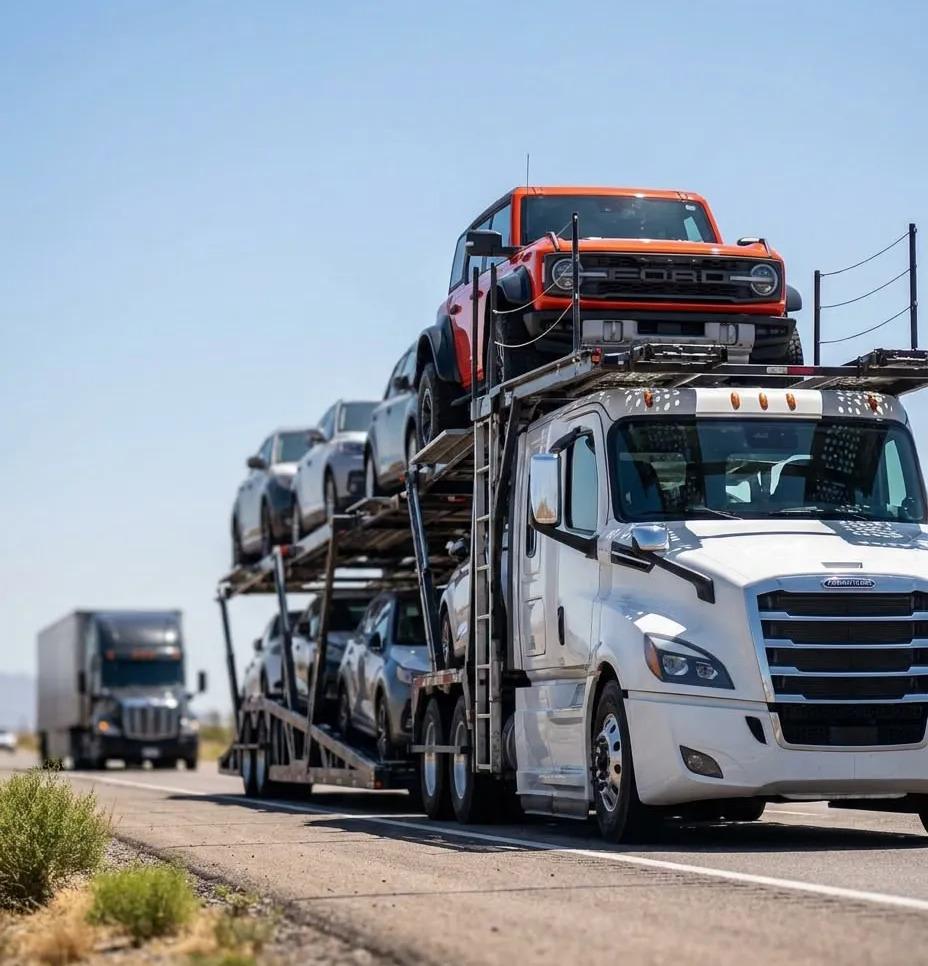
Industrial forklifts are essential for warehouses, manufacturing facilities, distribution centers, construction sites, and industrial operations. These machines help businesses move heavy materials, manage inventory, and maintain efficient operations. However, transporting a forklift from one location to another requires careful planning, appropriate trailers, and professional logistics coordination.
Whether a company is purchasing new equipment, relocating a warehouse, selling used machinery, or transferring forklifts between job sites, choosing the right transportation service can make the process easier and more efficient.
Why Professional Industrial Forklift Transport Matters
Forklifts come in different sizes, weights, and configurations. Standard warehouse forklifts, electric forklifts, diesel-powered models, rough-terrain forklifts, and heavy-capacity industrial machines all have different transportation requirements.
Moving these machines without proper preparation can create unnecessary risks, including equipment damage, transportation delays, and loading difficulties.
Professional industrial equipment transportation helps businesses coordinate suitable trailers, experienced carriers, and appropriate loading arrangements. It also allows companies to plan equipment deliveries around operational schedules.
For businesses operating multiple facilities, reliable transportation is particularly important because equipment must arrive at the correct location without disrupting daily operations.
Types of Forklifts That Require Transportation
Different industries use specialized forklifts for specific material-handling applications. Transportation requirements depend on the equipment's dimensions, operating weight, and overall configuration.
Common forklift types include:
-
Electric Forklifts: Battery-powered machines commonly used in warehouses, factories, and indoor distribution facilities.
-
Diesel Forklifts: Heavy-duty equipment designed for outdoor industrial operations and demanding environments.
-
Propane Forklifts: Versatile machines used in warehouses, manufacturing facilities, and loading areas.
-
Rough-Terrain Forklifts: Specialized equipment designed for construction sites, agricultural operations, and uneven surfaces.
-
Telehandler Forklifts: Machines with extending booms used for lifting and positioning materials at different heights.
-
Heavy-Capacity Forklifts: Industrial machines designed to handle exceptionally heavy materials in manufacturing plants, ports, and industrial yards.
Each machine requires an appropriate transportation plan based on its specifications and handling requirements.
Choosing the Right Trailer for Forklift Shipping
Selecting the correct trailer is one of the most important parts of industrial forklift transportation. The trailer must accommodate the machine's weight, height, width, and length while providing suitable loading and unloading access.
Several transportation options may be considered depending on the forklift's specifications.
Flatbed Trailers: Flatbed trailers are commonly used for transporting machinery that can be safely loaded and secured on an open platform.
Lowboy Trailers: Lowboy trailers provide a lower deck height, making them useful for certain taller or heavier industrial machines.
Step Deck Trailers: Step deck trailers offer additional vertical clearance and can accommodate equipment that exceeds the height capacity of a standard flatbed arrangement.
Specialized Heavy-Haul Trailers: Particularly large or heavy forklifts may require specialized trailers and additional transportation planning.
The appropriate option should always be determined by the equipment's verified measurements, weight, and applicable transportation regulations.
Preparing a Forklift for Transportation
Proper preparation helps reduce the possibility of damage and unexpected loading problems. Before pickup, equipment owners should communicate important details to their transportation provider.
Consider the following preparation steps:
-
Confirm Equipment Dimensions: Measure the forklift's overall length, width, and height, including attachments and other components.
-
Verify Operating Weight: Provide accurate manufacturer specifications or verified equipment weight.
-
Inspect the Machine: Check tires, forks, mast assemblies, and visible mechanical components.
-
Secure Moving Parts: Lower the forks and mast where appropriate and secure movable components according to manufacturer instructions.
-
Check Batteries and Fluids: Communicate battery type, fuel information, and any potential leaks or special handling requirements.
-
Document Equipment Condition: Take photographs before loading to establish the machine's condition.
-
Coordinate Loading Access: Confirm that the pickup location has sufficient space and suitable equipment for loading.
These steps help transportation providers select appropriate equipment and prepare for a smoother pickup.
Factors That Affect Industrial Forklift Transport Costs
The cost of transporting an industrial forklift depends on several factors. Understanding these elements can help businesses plan their logistics budgets more effectively.
Transportation Distance: Longer routes generally involve higher transportation costs because of fuel consumption, driver time, and operational expenses.
Forklift Weight and Dimensions: Larger and heavier machines may require specialized trailers, additional equipment, or more complex transportation arrangements.
Pickup and Delivery Locations: Urban warehouses, remote construction sites, and facilities with limited access can influence transportation planning.
Loading and Unloading Requirements: Forklifts that cannot operate independently may require winches, cranes, or other specialized loading arrangements.
Permits and Regulations: Oversized or overweight shipments may require additional permits and route planning, depending on applicable state and federal requirements.
Providing accurate equipment information when requesting a quote helps transportation providers evaluate the shipment and identify suitable options.
Nationwide Forklift Transportation for Businesses
Companies frequently need to move industrial equipment between warehouses, distribution centers, manufacturing facilities, dealerships, and construction sites.
Nationwide transportation services help businesses coordinate these equipment movements across different states. Whether shipping a single forklift or arranging transportation for multiple machines, having a dependable logistics partner can simplify scheduling and communication.
Businesses looking for professional industrial forklift transport should work with experienced transportation providers who understand equipment dimensions, trailer requirements, loading procedures, and delivery coordination.
Working with a transportation company such as All State to State Auto Transport can help customers arrange forklift transportation and explore available shipping solutions. Its forklift transport service provides an option for individuals and businesses coordinating equipment moves across the United States.
How to Choose a Reliable Forklift Transportation Company
Selecting a transportation provider requires more than comparing prices. Businesses should consider several important factors before arranging a shipment.
-
Licensing and Insurance: Verify the transportation provider and carrier credentials and confirm appropriate insurance arrangements.
-
Equipment Experience: Look for providers familiar with industrial machinery and heavy equipment transportation.
-
Clear Communication: Choose a company that explains scheduling, transportation requirements, and delivery coordination.
-
Transparent Pricing: Request a detailed quote based on accurate forklift specifications and shipment details.
-
Delivery Planning: Confirm pickup arrangements, estimated transit expectations, and destination access requirements.
A well-organized transportation process can help businesses avoid unnecessary complications and keep equipment relocation projects on schedule.
Conclusion
Industrial forklifts play an important role in modern business operations, and moving these machines requires careful transportation planning. From selecting suitable trailers to preparing equipment and coordinating delivery locations, every stage contributes to a successful shipment.
Businesses should prioritize accurate equipment information, appropriate transportation arrangements, and dependable logistics coordination. With proper preparation and the right transportation partner, industrial forklift shipments can be managed more efficiently across local and nationwide routes.
❤️ Support Friends Aim! View a sponsored ad to help cover our website costs. Thanks!
Support Us — Ad 1 Support Us — Ad 2- Arts, Culture & Design
- Automotive & Transport
- Accounting & Finance
- Advertising & Marketing
- Agriculture & Farming
- Business & Consulting
- Books & Publishing
- Building & Construction
- Beauty & Personal Care
- Baby, Kids & Parenting
- Charity & Social Causes
- Crafts & Handmade
- Careers & Jobs
- Computers & Laptops
- Consumer Electronics
- Entertainment & Events
- Food & Beverages
- Delivery & Logistics
- Digital Media & Content
- Dating & Relationships
- E-Commerce & Retail
- Education & Learning
- Energy & Environment
- Fitness
- Fashion & Apparel
- Gaming & Toys
- Government & Legal
- Gardening
- Health & Medical Care
- Home Decor & Furniture
- IT & Software
- Industrial & Tools
- Import & Export
- Jewelry & Watches
- Lifestyle & Wellness
- Legal Services & Law
- News & Media
- News & Current Affairs
- Religion & Faith
- Sports
- Technology
- Travel & Tourism
- Weddings & Events
- Other

 Arabic
 French
 Spanish
 Portuguese
 Deutsch
 Turkish
 Dutch
 Italiano
 Russian
 Romaian
 Portuguese (Brazil)
 Greek