


 About
 Terms
 Privacy
Stitching Web Craft and Jeans Stitched Quality Guide
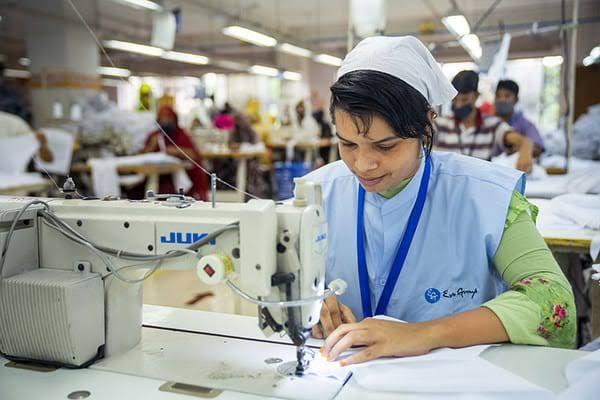
It's a brisk Tuesday morning; you pull on your favourite jacket and reach for your car keys. Suddenly, there is a sharp ripping sound from right under your left arm. Factory clothes are cheap and fall apart easily because brands don't want to spend money on basic sewing supplies. Weak, thin thread breaks under normal daily stress and leaves you with annoying holes. Most shoppers see pretty colours of fabric and don't even consider how the seams hold together. But the real secret to holding your outfit together is the hidden stitching web sewn into every garment. When you understand how real thread networks work, you stop wasting money on throwaway fashion. Now let's explore the real craft behind strong seams, tough denim and clothes that last.
How Thread Networks Keep Woven Cloth in Firm Shapes
A good made shirt is like a wooden house held together by steel nails. If the nails are weak, the entire frame shifts and sags during the first big storm. Inside clothes, dense stitches are like strong nails that hold the boards tightly together. Thousands of tiny thread loops knot into cotton fibres to share physical stress over the seam. When you bend your elbows or squat down, that interlocking grid stretches a little but doesn't break. Cheap brands put their stitches very far apart to save pennies on thread and factory time. A tight, even stitch count gives your clothes real backbone for years of hard wear.
How to Recognise Weak Seams Before You Buy New Clothes at the Mall
You don't need a fashion degree to see the quality of the stitching in the store fitting room. Turn any shirt or coat inside out. Grab the side seams with both hands and gently pull. If you see large gaps of bare thread showing between the edges of fabric, put it back. The solid stitching web remains flat, taut and fully concealed within the folded cloth seam. Check the ends of the threads on buttons and collars to make sure nothing is coming undone. Loose, dangling threads mean the factory machine skipped stitches or missed the last lock stitch. A quick 10-second peek at the seams can save you from aggravating repairs at home down the road.
Why Heavy Polyester Core Thread is Better Than Plain Cotton Fibre
For centuries, old-school tailors used pure cotton thread because synthetic fibres had not yet been invented. Cotton is good to mix with natural cloth, but it does rot faster with sweat and sun. Modern makers use poly-wrapped core thread to build a much stronger stitching web. This clever thread has a tough polyester core concealed within a soft spun cotton outer layer. You get the classic look of cotton with the high tensile strength of plastic. It's resistant to bleach, tough washing machines and heavy pulling without breaking under pressure. Knowing your thread types will help you pick workwear and outdoor gear that really lasts.
Selecting the Appropriate Needle Size for Light and Heavy Fabrics
Using the wrong metal needle in a sewing machine will destroy good fabric in seconds. A thick needle will leave ugly permanent holes in your delicate silk blouses and thin dress shirts. A thin needle, in contrast, bends and breaks when pushing through thick winter wool. Matching your needle tip to the weight of your fabric provides a clean, balanced stitching web every time. Ballpoint needles glide through the loops of knit jersey, without cutting the stretchy yarn strands. Sharp wedge needles cut clean through stiff leather and heavy canvas bags without skipping loops. Crafty people at home always change their needles before beginning a new project in fabric.
How Tension Balance Prevents Ugly Puckering Along Long Seams
Have you ever bought a brand new shirt with wavy, wrinkled seams down the front buttonline? This messy look happens when the top thread pulls much harder than the bottom bobbin thread. A good stitching web needs equal pull from both sides to get the knots locked right in the middle of the cloth. When the tension is in equilibrium, the fabric is perfectly flat and smooth on both sides. Tailors try out the tension on their machines on a scrap piece of the same cloth before they touch real garments. Just by adjusting a little dial, a half notch will tighten any loose loops and prevent the fabric from bunching up immediately. Clean tension is the secret signature of real professional garment work.
Tight Bar Tack Stitches to Reinforce High Stress Areas
Some parts of your clothes take a lot more physical abuse than the rest of the outfit. Dozens of times a day, belt loops, pocket corners, and the bottoms of zippers get pulled and yanked. To protect these danger zones, makers sew a tight web of stitching known as a bar tack. A machine zips back and forth in a tiny spot, quickly, to make a thick thread shield. That solid block of stitches distributes heavy pulling force over dozens of surrounding cotton fibres. Without bar tacks, your pockets would get ripped open in a week with a heavy keyring or smartphone. When shopping for rugged everyday trousers, always look for these little tight thread bars.
Why Chain Loop Stitched Jeans Last Longer Than Straight Seams
Denim trousers are a brutal wear every time you sit down, climb stairs or kneel on concrete. Thick cotton twill can stretch too much over your knee for standard straight lockstitches to remain closed. That's why the classic denim makers love the jeans sewn with the traditional chain loop machines. A chain stitch catches one strand under, instead of two separate strands locked tightly. Look at jeans stitched like this, and you see a thick braided ridge inside the leg seam. That clever loop structure gives the stiff denim extra stretchiness so seams flex instead of snapping. Across America, fans of vintage denim pay top dollar for trousers made with this historic sewing technique.
Double Flat Felled Seams in Rugged Work Denim
Turn a pair of heavy-duty work trousers inside out and look at the inner leg seam. You will see two neat rows of orange or gold thread running parallel the entire length. When jeans with flat felled seams are washed, the folded edges of the fabric get locked together tightly. Makers fold the raw denim edges into each other and stitch through four layers of thick cloth. You have jeans sewn with such precision that no raw cotton threads ever touch your skin. The smooth interior finish prevents painful chafing on long work days or summer hikes. The flat-felled construction is easily the toughest seam style ever invented for heavy cotton trousers.
How to Care for Heavy Denim and Stitched Seams in the Laundry
Even the strongest thread networks are worn out more quickly if you boil your clothes in hot dryers. High heat in a dryer causes cotton fabric to shrink unevenly and, over time, weakens the fibres of synthetic thread. If you have thick contrast thread stitching on your jeans, turn them inside out and put them in cold water. Cold wash cycles keep the deep indigo dye from fading and stop metal zippers from chewing up other shirts nearby. Hang your damp trousers on a wooden rack in a breezy room and allow them to air dry naturally. Good laundry habits will keep your jeans' stitched seams flat, strong and bright for many years. Simple care routines will save you money and keep your favourite wardrobe pieces looking brand new.
How to Fix Small Holes at Home Before They Ruin Your Clothes
A loose thread fixed early takes two minutes with a basic hand needle. Don't yank on a dangling thread tail, or you may unravel three inches of a chain seam. Instead, draw the free end to the inside of the garment and tie two tight square knots. If you hand-reinforce a worn stitching web, you can keep a small wear from becoming a giant hole. Keep a small travel sewing kit in your hall closet with navy, black and gold thread. A simple backstitch can be learned to rescue your favourite jackets and work trousers right at home. It's a great feeling to take care of your own clothes and keeps good fabric out of landfills.
FAQs
What is stitch web in garment construction?
This interlocking network of top and bobbin threads holds fabric seams together under physical stress.
Why are jeans sewn with orange or gold contrast thread?
The first workwear makers used copper coloured thread to match the metal rivets on tough denim trousers.
How can you tell that a shirt has weak stitching before you buy it?
Gently pull the side seams apart from the inside and look for wide gaps of thread between the edges of the fabric.
Why is a flat felled seam so strong on denim trousers?
The edges of the raw fabric are folded in and sewn through four layers with two parallel rows of thread.
Will the high heat in the dryer ruin the stitching on my everyday clothes?
Yes, intense heat causes cotton cloth to shrink unevenly and weakens the fibres in the thread, so seams pucker or break early.
Conclusions
Once you start seeing the secret web of stitching in your clothes, you'll never shop the same way again. When you realise why jeans with chain loops and flat felled seams last longer, you stop throwing your money away on cheap fast fashion. Check your inside seams, get some strong poly core threads and wash your heavy denim in cold water to keep your gear protected. Grab your favourite jacket or jeans today and tie a few good knots at the loose threads before they come loose.
❤️ Support Friends Aim! View a sponsored ad to help cover our website costs. Thanks!
Support Us — Ad 1 Support Us — Ad 2- Arts, Culture & Design
- Automotive & Transport
- Accounting & Finance
- Advertising & Marketing
- Agriculture & Farming
- Business & Consulting
- Books & Publishing
- Building & Construction
- Beauty & Personal Care
- Baby, Kids & Parenting
- Charity & Social Causes
- Crafts & Handmade
- Careers & Jobs
- Computers & Laptops
- Consumer Electronics
- Entertainment & Events
- Food & Beverages
- Delivery & Logistics
- Digital Media & Content
- Dating & Relationships
- E-Commerce & Retail
- Education & Learning
- Energy & Environment
- Fitness
- Fashion & Apparel
- Gaming & Toys
- Government & Legal
- Gardening
- Health & Medical Care
- Home Decor & Furniture
- IT & Software
- Industrial & Tools
- Import & Export
- Jewelry & Watches
- Lifestyle & Wellness
- Legal Services & Law
- News & Media
- News & Current Affairs
- Religion & Faith
- Sports
- Technology
- Travel & Tourism
- Weddings & Events
- Other

 Arabic
 French
 Spanish
 Portuguese
 Deutsch
 Turkish
 Dutch
 Italiano
 Russian
 Romaian
 Portuguese (Brazil)
 Greek