


 About
 Terms
 Privacy
Physiotherapy for Delayed Developmental Milestones in Children
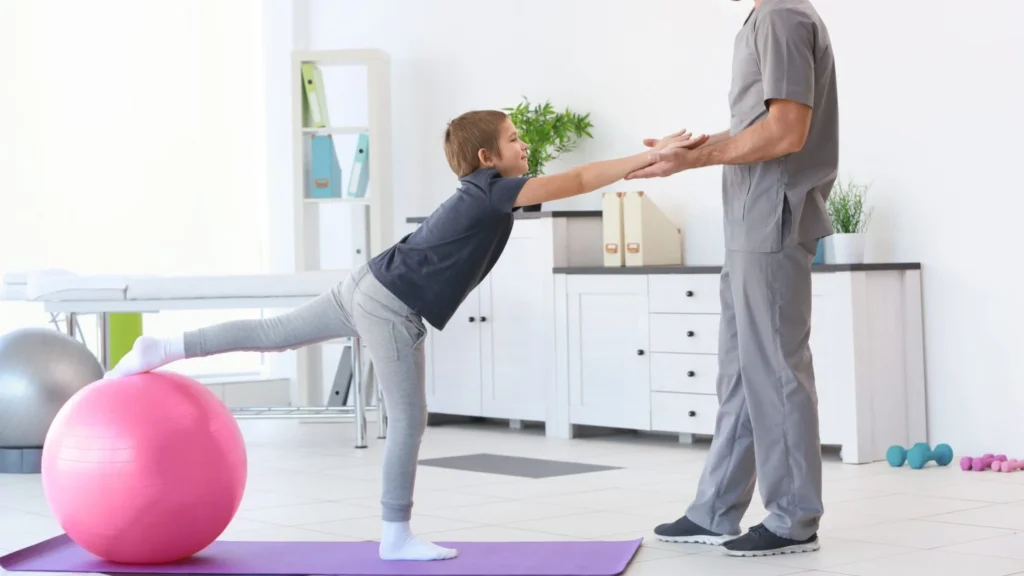
Every child develops at their own pace, gradually learning skills such as holding their head steady, sitting, crawling, standing, and walking. These milestones reflect the development of strength, balance, coordination, and movement control. However, some children may take longer to develop certain physical abilities or experience difficulties performing everyday movements.
Developmental delays can have different causes, including premature birth, neurological conditions, muscle weakness, or differences in physical development. Identifying ongoing difficulties can help parents understand whether additional support is needed. Paediatric physiotherapy provides structured, age-appropriate activities that encourage movement and help children work towards individual developmental goals.
With personalised Physiotherapy Treatment in Edinburgh, families can access professional guidance to understand their child's movement needs, improve physical abilities, and support participation in everyday activities.
1. What Are Delayed Developmental Milestones?
Developmental milestones are physical and behavioural skills that children generally acquire as they grow. Although the timing varies between individuals, these milestones provide useful guidance for monitoring development.
Gross motor milestones involve larger body movements, including:
-
Holding the head steady.
-
Rolling from one position to another.
-
Sitting without support.
-
Crawling or moving independently.
-
Pulling up to stand.
-
Walking and running.
-
Climbing and jumping.
Some children may develop these abilities later than expected or find particular movements challenging. For example, a child may struggle to maintain a sitting position, avoid putting weight through their legs, or have difficulty coordinating their steps.
A delay does not automatically mean that a child has a medical condition. However, persistent concerns should be discussed with a paediatrician or appropriate healthcare professional.
2. Why Might Children Experience Developmental Delays?
Physical development depends on several factors, including muscle strength, nervous system development, joint mobility, balance, and opportunities to practise movement.
Some possible contributing factors include:
Premature birth: Babies born early may require additional monitoring and support as they develop physical skills.
Neurological conditions: Conditions such as cerebral palsy can affect muscle control, posture, coordination, and movement.
Low muscle tone: Reduced muscle tone may make it harder for a child to maintain positions, control movements, or develop strength.
Muscle weakness: Limited strength can affect activities such as sitting, standing, crawling, and walking.
Genetic or developmental conditions: Certain conditions may influence how a child's muscles, joints, and nervous system develop.
Limited movement opportunities: Some children may have fewer opportunities to practise physical skills, although this is not necessarily the cause of a developmental delay.
Identifying the possible contributing factors helps healthcare professionals determine whether physiotherapy or additional investigations may be appropriate.
3. How Physiotherapy Supports Delayed Milestones
Paediatric physiotherapy focuses on helping children develop functional movement skills through activities suited to their age, abilities, and individual needs.
Treatment may include:
| Developmental difficulty | Physiotherapy focus |
|---|---|
| Difficulty holding the head steady | Supported positioning and age-appropriate movement practice |
| Trouble sitting independently | Trunk strength and postural control |
| Delayed crawling | Weight shifting, coordination, and supported movement |
| Difficulty standing | Leg strength and balance activities |
| Challenges with walking | Gait practice, stability, and movement coordination |
| Poor balance | Supervised balance and body-control exercises |
The purpose is not to force children to achieve milestones quickly. Instead, physiotherapy provides appropriate opportunities to practise movements, develop physical abilities, and improve functional independence.
4. The Importance of Early Assessment
When parents notice that a child is struggling with physical milestones, an early assessment can help clarify the situation. A physiotherapist can review the child's movement abilities and identify areas that may benefit from additional support.
An assessment may involve:
-
Reviewing the child's developmental and medical history.
-
Observing posture and movement patterns.
-
Checking muscle strength and tone.
-
Assessing balance and coordination.
-
Examining joint mobility and flexibility.
-
Observing age-appropriate functional activities.
The findings help the physiotherapist develop suitable goals and recommend activities based on the child's needs.
Accessing Physiotherapy Treatment in Edinburgh can also help parents understand how to support movement development at home and recognise when further medical assessment may be necessary.
5. Play-Based Exercises That Encourage Movement
Children often learn through play, making enjoyable activities an important part of paediatric physiotherapy. Instead of relying entirely on repetitive exercises, physiotherapists may introduce games that encourage children to practise specific movements.
Reaching and Grasping Activities
Placing a suitable toy within reach can encourage a baby to move their arms, turn their body, and develop coordination. The activity can be adjusted according to the child's abilities.
Supported Sitting Practice
Age-appropriate supported sitting activities may help children practise trunk control and maintain a stable position. The level of support should be determined by their developmental stage.
Crawling and Movement Games
For children who are ready to practise crawling, toys and safe play areas can encourage movement, weight shifting, and coordination.
Standing and Balance Activities
Supported standing activities may help children practise weight-bearing and develop control through their legs. These should only be introduced when appropriate for the child's development.
Walking Practice
Children who are preparing to walk may benefit from supervised activities that encourage stepping, balance, and controlled movement.
These activities should be selected by a qualified professional and adapted to the child's individual needs.
6. Supporting Children With Different Developmental Conditions
Not all developmental delays have the same underlying cause. Some children may need general movement support, while others require specialised rehabilitation.
For example:
-
Cerebral palsy: Physiotherapy may focus on posture, mobility, strength, and functional movement.
-
Down syndrome: Individualised exercises may support muscle strength, balance, and the development of movement skills.
-
Developmental coordination difficulties: Activities may target balance, body awareness, and coordination.
-
Low muscle tone: Suitable strengthening and movement activities may help children practise functional positions and transitions.
-
Neuromuscular conditions: Rehabilitation may focus on maintaining function, managing physical limitations, and supporting safe movement.
Treatment should always reflect the child's diagnosis, abilities, and wider healthcare needs. Some children may also benefit from support provided by occupational therapists, speech and language therapists, paediatricians, or other specialists.
7. How Parents Can Support Development at Home
Parents and caregivers play an important role in helping children practise physical skills between appointments. Small opportunities for movement throughout the day can support a child's participation in their rehabilitation programme.
Consider these practical steps:
-
Create safe play opportunities: Provide a suitable space where children can practise age-appropriate movements under supervision.
-
Encourage movement through toys: Use colourful, interesting toys to motivate reaching, turning, and movement.
-
Follow the physiotherapist's advice: Practise recommended activities according to professional instructions.
-
Allow time for practice: Give children opportunities to repeat movements without unnecessary pressure.
-
Celebrate small improvements: Recognise progress in posture, balance, coordination, and movement.
-
Attend recommended reviews: Regular assessments can help track development and adjust activities when necessary.
Avoid forcing a child into positions or exercises they are not ready for. If an activity causes pain or unusual discomfort, stop and seek professional advice.
8. What to Expect From a Paediatric Physiotherapy Programme
A physiotherapy programme usually develops according to the child's progress rather than following a fixed schedule. Initial appointments help establish current abilities and identify suitable treatment goals.
Over time, the physiotherapist may introduce new activities as the child's strength, coordination, and movement control improve.
Progress can be measured through practical changes, such as maintaining a sitting position for longer, moving between positions more comfortably, standing with suitable support, or improving walking control.
The frequency of appointments depends on the child's needs, the nature of the condition, and the recommendations of the healthcare team. Physiotherapy Treatment in Edinburgh should involve regular communication with parents so they understand the purpose of each activity and how to support their child's development.
9. When Should Parents Seek Professional Advice?
Consider arranging a developmental assessment if your child consistently struggles with expected movement skills, loses a physical ability they previously had, or shows unusual stiffness, weakness, or movement patterns.
Parents should also seek advice if a child:
-
Uses one side of the body noticeably more than the other.
-
Has persistent difficulty maintaining posture.
-
Experiences frequent falls or unusual walking patterns.
-
Shows significant difficulty with age-appropriate movement.
-
Loses previously acquired developmental skills.
Loss of previously acquired skills should be assessed promptly. A paediatrician can investigate possible causes and recommend appropriate referrals, including physiotherapy where suitable.
Conclusion
Delayed developmental milestones can raise questions and concerns for parents, but every child has individual needs and a unique developmental journey. Professional assessment can help identify movement difficulties and determine whether additional support is appropriate.
Through play-based exercises, strengthening activities, balance training, and personalised guidance, paediatric physiotherapy can help children work towards improved movement and everyday function. Choosing suitable Physiotherapy Treatment in Edinburgh gives families an opportunity to receive professional support, understand their child's physical development, and encourage progress at a comfortable and appropriate pace.
❤️ Support Friends Aim! View a sponsored ad to help cover our website costs. Thanks!
Support Us — Ad 1 Support Us — Ad 2- Arts, Culture & Design
- Automotive & Transport
- Accounting & Finance
- Advertising & Marketing
- Agriculture & Farming
- Business & Consulting
- Books & Publishing
- Building & Construction
- Beauty & Personal Care
- Baby, Kids & Parenting
- Charity & Social Causes
- Crafts & Handmade
- Careers & Jobs
- Computers & Laptops
- Consumer Electronics
- Entertainment & Events
- Food & Beverages
- Delivery & Logistics
- Digital Media & Content
- Dating & Relationships
- E-Commerce & Retail
- Education & Learning
- Energy & Environment
- Fitness
- Fashion & Apparel
- Gaming & Toys
- Government & Legal
- Gardening
- Health & Medical Care
- Home Decor & Furniture
- IT & Software
- Industrial & Tools
- Import & Export
- Jewelry & Watches
- Lifestyle & Wellness
- Legal Services & Law
- News & Media
- News & Current Affairs
- Religion & Faith
- Sports
- Technology
- Travel & Tourism
- Weddings & Events
- Other

 Arabic
 French
 Spanish
 Portuguese
 Deutsch
 Turkish
 Dutch
 Italiano
 Russian
 Romaian
 Portuguese (Brazil)
 Greek